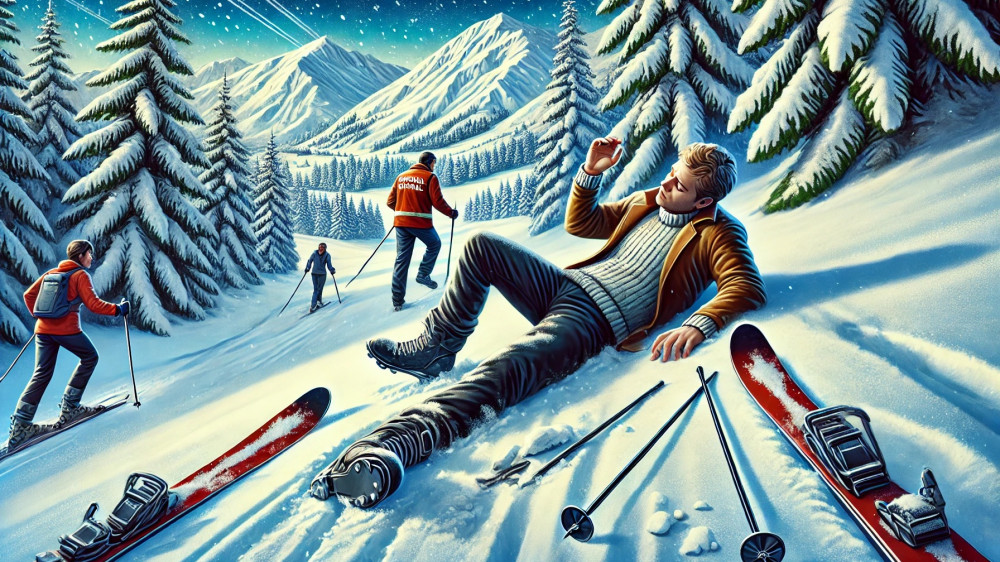
Why Ski Accidents Are So Expensive and How to Insure Your Winter Trip
As you pack your bags for the ski slopes, don't forget to pack the most crucial item: comprehensive insurance. Skiing and snowboarding are among Germany's most popular winter sports, with millions of active participants. However, they also rank as some of the most injury-prone and financially devastating activities when accidents occur. Understanding the risks and securing the right insurance coverage is not just advisable—it's essential for your financial safety and peace of mind.
The High Cost of Slope Accidents: The Hard Data
According to the German Insurance Association (GDV), skiing is the second most injury-prone sport after soccer, accounting for nearly 20% of all reported sports accidents. But when it comes to financial impact, skiing is in a league of its own.
| Sport | Average Cost per Claim (Private Accident Insurance) | Context |
|---|---|---|
| Skiing / Snowboarding | €7,900 | The highest average cost among all sports. Private insurers pay out ~€55 million annually for ski accidents. |
| Horseback Riding | €6,952 | Another high-risk activity with significant injury costs. |
| Soccer | €5,413 | While it has the highest frequency of accidents, the average cost per claim is lower. |
"A single claim averages €7,900," says GDV Managing Director Jörg Asmussen. "No other sport causes such high follow-up costs." These costs stem from severe injuries like fractures, ligament tears, and head trauma, which often require extensive surgery, rehabilitation, and long recovery periods.
Your Two Most Critical Insurance Policies for the Slopes
To protect yourself from both causing harm to others and suffering a debilitating injury, two types of insurance are paramount.
1. Personal Liability Insurance (Privathaftpflichtversicherung)
This is your first line of defense. If you cause an accident that injures another skier or damages their equipment, you are personally liable. The financial consequences can be ruinous, covering the other person's medical bills, lost income, and potential disability pensions.
Key Takeaway: Ensure your liability insurance has sufficient coverage sums, especially for personal injury (often €10 million or more is recommended). Check that it explicitly covers sports accidents abroad. The tragic case of a former German state premier, who caused a fatal collision on the slopes, underscores the life-altering financial risks involved.
2. Private Accident Insurance (Private Unfallversicherung)
While health insurance covers medical treatment, it doesn't compensate for the long-term financial consequences of a severe injury. A private accident insurance policy provides a lump-sum payment if an accident leads to permanent disability (invalidity).
What to look for in a ski-specific accident policy:
- Adequate Invalidity Sum: Choose a sum that would support you in case you can't return to your previous profession.
- Worldwide Coverage & Rescue Costs: Must include alpine rescue and transport, which can cost thousands of euros and are rarely fully covered by health insurance.
- Additional Benefits: Consider add-ons like daily hospital cash benefits (Krankenhaustagegeld), convalescence allowance (Genesungsgeld), and coverage for cosmetic operations following injuries.
Beyond the Basics: Other Considerations for Skiers
- Travel Health Insurance: If traveling outside the EU/EEA (e.g., to the USA, Canada, or Japan), your domestic health insurance provides minimal coverage. A separate travel health insurance policy is mandatory to cover potentially enormous medical bills abroad.
- Equipment Protection: Check if your household contents insurance (Hausratversicherung) covers sports equipment theft or damage on the road and at your accommodation. If not, a specific sports equipment rider may be necessary.
- Legal Expenses Insurance: If you are involved in a dispute over fault for a slope collision, legal protection insurance (Rechtsschutzversicherung) can cover legal fees.
Final Checklist Before You Hit the Slopes
- Review Liability Insurance: Confirm coverage limits and geographic scope. Increase the sum if necessary.
- Check Accident Insurance: Verify it is active, includes rescue costs, and provides a meaningful invalidity sum.
- Arrange Travel Health Insurance: For non-EU trips, purchase a policy with high medical expense coverage.
- Document Your Gear: Take photos of your equipment and keep receipts. Understand your insurance coverage for it.
- Carry Insurance Details: Have your policy numbers and insurer's emergency contact information easily accessible.
Conclusion: The thrill of skiing comes with a statistically significant risk of costly accidents. Viewing insurance as an integral part of your ski trip preparation is a mark of a responsible enthusiast. By ensuring robust personal liability and private accident insurance, you protect not just your holiday budget but your long-term financial well-being. Invest in the right coverage so you can focus on enjoying the mountains with confidence.