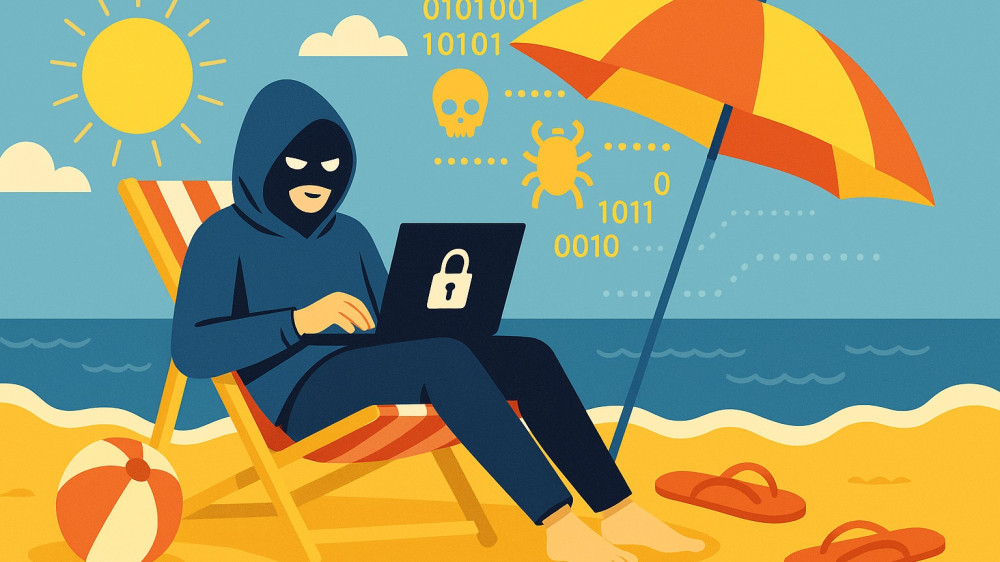
Protecting Your Clients from Hackers: A Summer Cybersecurity Guide for Insurance Agents
As an insurance agent or broker, your role extends beyond selling policies—you are a trusted risk advisor. During the summer months, businesses face a heightened threat from cybercriminals who exploit seasonal vulnerabilities. With reduced staffing and oversight, especially in small and medium-sized enterprises (SMEs) and the tourism sector, companies become prime targets for cyber attacks. Data indicates that a significant portion of reported incidents occur in these warmer months. This guide provides you with actionable strategies and ten key measures to help your clients strengthen their defenses, showcasing your value as a cybersecurity advisor and strengthening client relationships.
Why Summer is High Season for Cyber Attacks
The vacation period creates a perfect storm for cybersecurity risks. Many businesses operate with skeleton crews, leading to gaps in monitoring and slower response times. Cybercriminals actively target these weaknesses. Industries like hospitality, travel, and leisure are particularly vulnerable due to their seasonal peak in transactions and customer data handling. For SMEs, which often lack dedicated IT security teams, the risk is even greater. This seasonal spike presents a critical opportunity for you, the agent, to proactively engage clients. By initiating conversations about cyber risk management, you move from being a transactional vendor to a strategic partner in their business continuity planning.
10 Essential Cybersecurity Measures to Recommend to Clients
Empower your clients with practical, cost-effective steps they can implement before the summer rush. These measures form a foundational defense against common threats like phishing, ransomware, and data breaches.
| # | Security Measure | Key Action | Why It's Critical for Summer |
|---|---|---|---|
| 1 | Multi-Factor Authentication (MFA) Enforcement | Require MFA on all business accounts, especially email and cloud services. | Prevents unauthorized access even if passwords are compromised during staff turnover or phishing attacks. |
| 2 | Pre-Vacation Security Checklist | Implement a mandatory checklist for employees going on leave (e.g., update software, clear browser cache). | Ensures individual workstations are not left as vulnerable entry points. |
| 3 | Phishing Simulation & Training | Run a simulated phishing campaign focused on summer-themed lures (travel deals, booking confirmations). | Raises awareness when employees are most likely to encounter vacation-related scams. |
| 4 | Remote Access Protocol Review | Secure and monitor all VPNs and remote desktop protocols. Limit access privileges. | Protects the network as more employees may work remotely or check in while traveling. |
| 5 | Automated Backup Verification | Ensure all critical data backups are automated, encrypted, and tested for restoration. | Guarantees business continuity and recovery capability in case of a ransomware attack. |
| 6 | Software Update & Patch Management | Mandate updates for all operating systems and applications before the holiday period. | Closes security gaps that hackers actively exploit, especially on unattended systems. |
| 7 | Clear Incident Response Plan | Establish and communicate a simple "who to call" protocol for suspected breaches during off-hours. | Minimizes damage and confusion during an attack when key personnel may be unavailable. |
| 8 | Wi-Fi Network Security Audit | Secure all business Wi-Fi networks with strong encryption and separate guest access. | Protects against eavesdropping and unauthorized access, crucial for hospitality businesses. |
| 9 | Third-Party Vendor Risk Assessment | Review the security posture of key vendors, especially booking platforms or payment processors. | Mitigates supply chain attacks, a common vector during high-activity seasons. |
| 10 | Employee Awareness Briefing | Hold a short, focused briefing on summer-specific cyber threats before the holiday exodus. | Creates a human firewall by making security top-of-mind as employees relax their vigilance. |
Your Role: From Advisor to Protector with Cyber Insurance
While these technical measures are vital, your expertise in risk transfer is irreplaceable. A robust cyber liability insurance policy is a cornerstone of a complete risk management strategy. For your clients, especially in vulnerable sectors, this coverage can be the difference between a manageable incident and business catastrophe. When discussing cybersecurity, position a business cyber insurance policy as a financial safety net that covers costs like data recovery, business interruption, ransomware payments (if legally advised), regulatory fines, and customer notification expenses. This dual approach—combining proactive risk mitigation with financial protection—demonstrates comprehensive care for your client's business health.
Seizing the Summer Opportunity for Stronger Client Relationships
The summer cybersecurity threat is not just a risk—it's a relationship-building opportunity. By proactively reaching out with this timely and relevant advice, you solidify your position as a trusted advisor. You help clients navigate a clear and present danger, potentially saving them from severe financial and reputational harm. This proactive service fosters loyalty and opens conversations about other commercial insurance needs, from business owner's policies (BOP) to errors and omissions (E&O) coverage. Use this seasonal window to schedule client reviews, assess their current cyber risk exposure, and ensure their coverage is adequate. In doing so, you don't just sell insurance; you provide peace of mind and become an integral part of your client's long-term success and resilience.