Essential Cybersecurity for Insurance Brokers: Protecting Your Practice from Digital Threats
As an insurance professional, you are a guardian of sensitive client data—financial details, personal information, and confidential records. This makes your agency a prime target for cybercriminals. High-profile attacks on major retailers are a stark reminder: no business is immune. Since the pandemic began, cyberattacks in Germany have surged, with over 100,000 reported in 2020 alone—a 15% increase from the previous year. For insurance agents, financial advisors, and brokerage firms, a robust cybersecurity strategy isn't just IT jargon; it's a fundamental requirement to protect your clients' trust and your business's very foundation.
The Primary Threat: Ransomware and How It Infiltrates
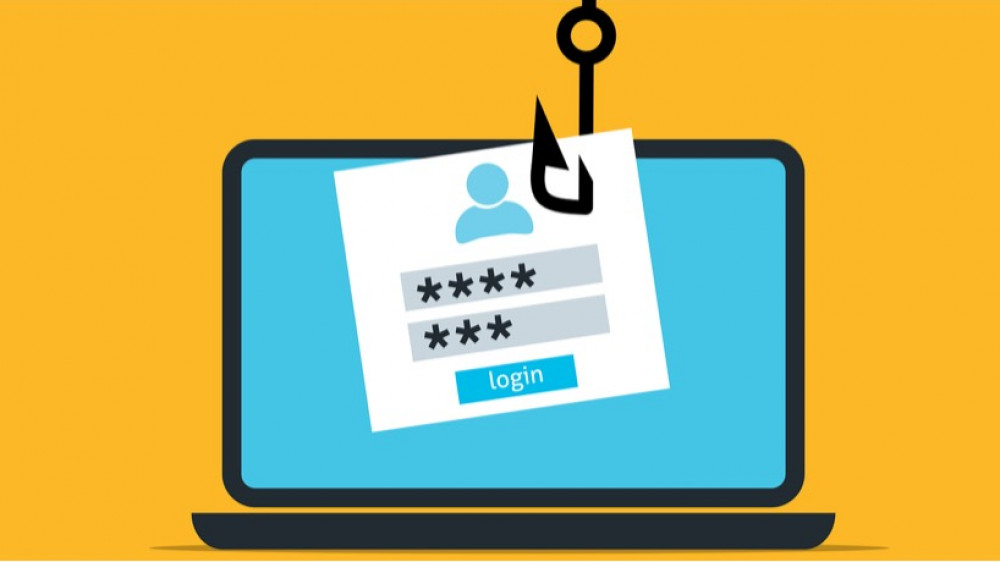
The most significant danger today is ransomware—malicious software that encrypts your files and holds them hostage for payment. These attacks often enter through deceptive phishing emails or infected USB drives, exploiting outdated software, weak passwords, and unsuspecting employees. Hackers actively scan for vulnerable systems, and a poorly secured home office or server can be an easy entry point. The result? A black screen, inaccessible client data, and a ransom demand. To avoid this business-crippling scenario, you must take proactive, layered defensive measures.

Building Your Technical Defense: The Non-Negotiable Basics
First, address your technical and organizational safeguards. Compliance with the GDPR (General Data Protection Regulation) is mandatory, requiring you to protect personal data with effective measures. But cybersecurity goes beyond legal compliance; it's about defending your business assets—client lists, financial projections, and proprietary processes.
An effective defense doesn't require exorbitant investment but rather diligence and a tailored IT security concept. Your cybersecurity foundation must include:
- Regular Software Updates: Patch operating systems and applications promptly to close security gaps.
- Strong, Unique Passwords & Multi-Factor Authentication (MFA): Enforce complex passwords and add an extra verification layer for all critical accounts.
- Professional Firewall and Antivirus Software: Use reputable security solutions and keep them updated.
- Secure Data Encryption: Encrypt sensitive data both at rest and during transmission.
- Controlled Access Rights: Ensure employees only have access to the data necessary for their role.
The Lifesaver: A Robust and Tested Backup Strategy
Technical failures, physical damage, or malware can destroy data. Your ultimate safety net is a reliable, multi-tiered backup system. Don't rely on annual backups. Implement a 3-2-1 strategy: keep three copies of your data, on two different media, with one copy stored off-site (e.g., in a secure cloud). Crucially, you must regularly test your backup restoration process. A backup you can't restore is worthless. Work with an IT professional to design and validate a plan that fits your specific operations.
Your Greatest Vulnerability and Strength: Your Team
The human element is both the weakest link and your first line of defense. Most breaches start with a phishing email. Therefore, continuous employee cybersecurity training is non-negotiable. Your team must learn to recognize suspicious emails, links, and requests. Implement simulated phishing tests to train staff in a safe environment, providing immediate feedback and education when they click a test link.
Establish clear protocols for daily tools, especially for video conferencing (e.g., requiring passwords for all meetings). When guidelines are clear, your team can focus on serving clients without compromising security.
Preparing for the Inevitable: Your Incident Response Plan
Despite best efforts, 100% protection is impossible. You need a cyber incident response plan. What will you do if systems are down for hours? If a ransomware note appears? Your plan should outline communication steps, technical containment procedures, and client notification protocols. This preparation saves critical time, money, and reputation during a crisis.
The Role of Cyber Insurance
Finally, consider cyber liability insurance. For your own business, it can cover costs associated with data breaches, including forensic investigations, legal fees, customer notifications, and even ransom negotiations. Furthermore, as an advisor, understanding and offering cyber insurance policies to your commercial and personal lines clients represents a significant growth opportunity. Being well-versed in this coverage benefits your practice doubly.
Insurers and brokers face persistent challenges in claims management, including high backlogs, increasing claim frequencies, skilled labor shortages, and rising customer expectations. Manual processes remain costly and inefficient.