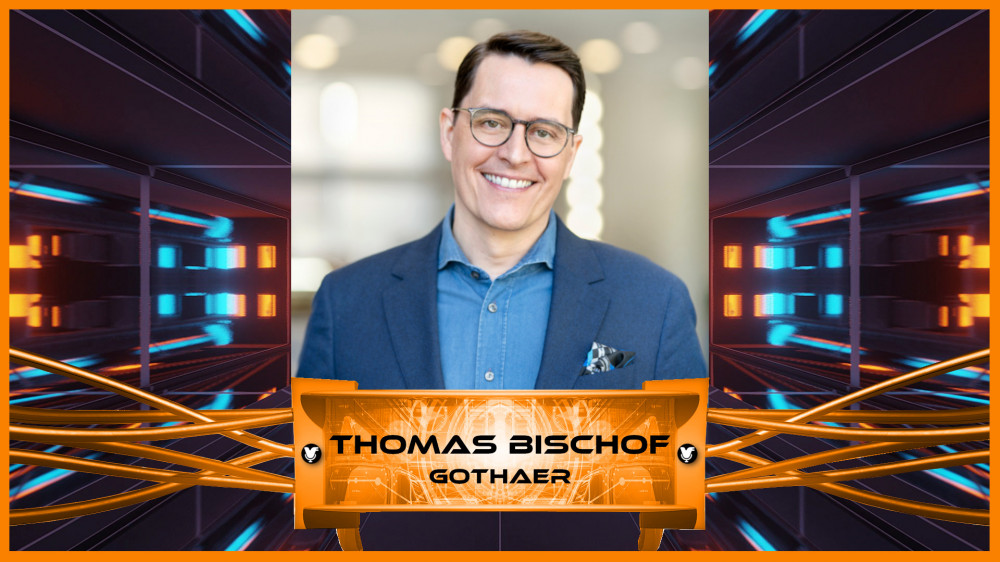
Future-Proofing Insurance: CEO Thomas Bischof's Vision for 2030
How will the insurance industry transform by the year 2030? This is the critical question we posed to leaders across the sector, culminating in a revealing conversation with Thomas Bischof, CEO of Gothaer Allgemeine Versicherung AG. As a top executive at a major German insurer, Bischof offers a unique vantage point on the trends that will redefine insurance companies, brokers, and customer experience over the next decade. Whether you're an insurance agent, a financial advisor, or involved in insurance technology, understanding this forward-looking perspective is essential for strategic planning and staying competitive.
Setting the Stage: A Decade of Disruption
The question "What will the insurance industry look like on February 3, 2030?" formed the basis of an extensive podcast trilogy featuring insights from tech giants like Google and Meta, futurists, professors, and industry experts. Continuing this exploration, we now turn to the leaders who will steer this change. Thomas Bischof's insights provide a concrete vision from within the traditional industry, balancing innovation with the realities of today's market.
Key Themes Shaping the 2030 Insurance Landscape
In our discussion, CEO Bischof addressed several pivotal areas that will define the future of insurance. Here are the core topics we explored:
- The Digital Core & AI Integration: How will artificial intelligence and full digitalization transform underwriting, claims processing (claims management), and customer service? Bischof discusses moving beyond legacy systems to create agile, data-driven operations.
- The Evolving Role of Brokers and Agents: Will insurance brokers become obsolete, or will their role evolve into that of a trusted, tech-enabled advisor? The conversation covers the future of the intermediary model.
- Hyper-Personalization & New Products: How will customer expectations for tailored coverage drive product innovation? We discuss on-demand insurance, parametric policies, and covering new asset classes.
- Cybersecurity & Climate Risk: As two of the largest emerging risk categories, how will insurers model, price, and cover these complex, systemic threats?
- Sustainability & ESG Integration: How will environmental, social, and governance factors become embedded in investment strategies and underwriting decisions?
Beyond the Obvious: NFTs, Luxury Goods, and Micro-Reactors?
The conversation also ventured into more speculative but fascinating territories, highlighting how insurers must adapt to a changing world:
| Future Trend | Insurance Implication | Bischof's Perspective |
|---|---|---|
| NFTs & Digital Assets | Valuation, ownership verification, and coverage for digital collectibles and assets. | Discusses the relevance and challenges of insuring intangible, blockchain-based property. |
| High-Value Personal Articles | Coverage for luxury items (e.g., expensive handbags) in a world of shifting values and risks. | Explores how insurers assess and underwrite unique, high-value personal property. |
| Decentralized Energy | Liability and property coverage for new technologies like small-scale nuclear reactors. | Touches on the role of insurance in enabling and regulating emerging home energy tech. |
| Legacy Technology | The pace of digital transformation within large insurers. | Asked provocatively: How many faxes will Gothaer send on February 3, 2030? This symbolizes the journey from legacy processes to full digital maturity. |
A Message to His Future Self
In a personal reflection, we asked Thomas Bischof what he would say to his "future self" in 2030. This question cuts to the heart of leadership, legacy, and the human element within technological transformation. His answer provides insight into the values and priorities that should guide the industry through a period of unprecedented change.
Why This Vision Matters for Insurance Professionals
For insurance agents, brokers, and company executives, this vision of 2030 is not just theoretical. It has practical implications for:
- Skill Development: Investing in digital literacy, data analytics, and advisory skills will be crucial.
- Business Model Adaptation: Brokers must consider how to integrate technology to enhance, not replace, their human touch.
- Strategic Planning: Companies need to roadmap their digital transformation, balancing innovation with operational stability.
- Customer Engagement: Understanding future expectations allows for building relationships and trust today.
Listen to the Full Conversation
To gain the complete perspective, including detailed discussions on each topic and Thomas Bischof's candid thoughts, listen to the full podcast episode embedded below.
Insurers and brokers struggle in claims management with high backlogs, increasing claim frequencies, skilled labor shortages, and growing customer expectations. Manual processes are expensive and slow.