How Much More Will You Pay for Health Insurance in 2025? A Cost Breakdown
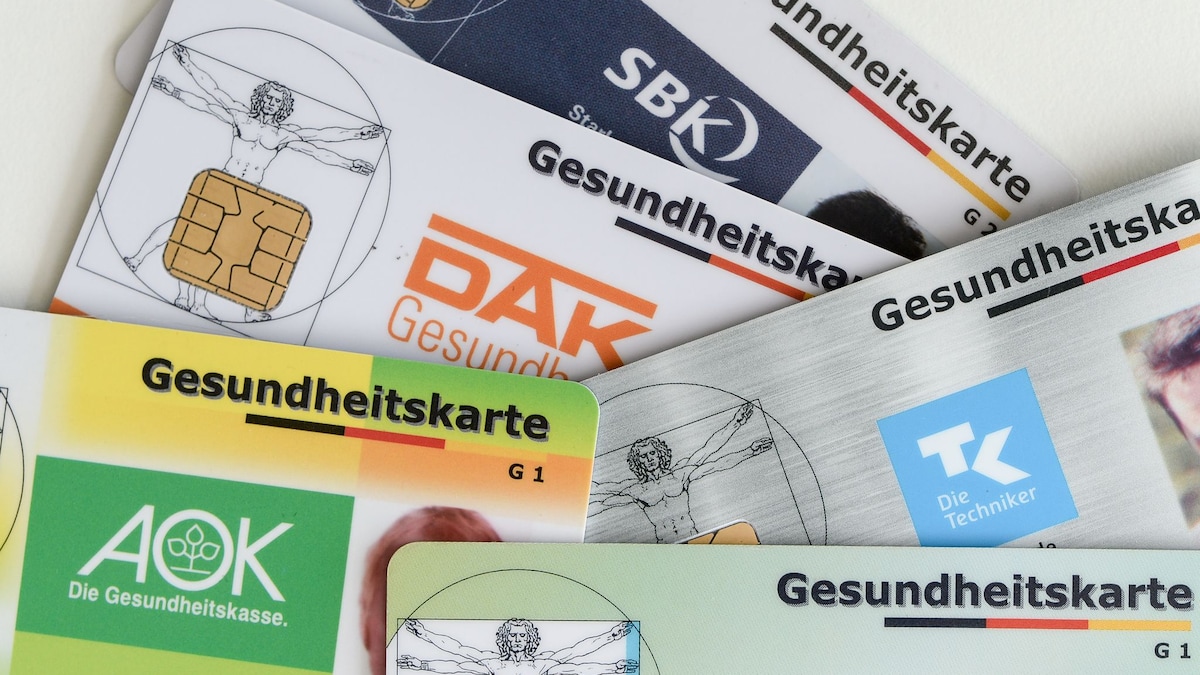
If you're covered by public health insurance, your budget needs to prepare for a significant change. The financial forecast for 2025 points to higher monthly premiums, driven by a substantial increase in the supplementary contribution. This trend isn't unique to Germany; it reflects a global challenge of rising healthcare costs that also impacts Americans with Medicare Part B premiums and private health insurance rates. Understanding exactly how much more you'll pay and knowing your options to mitigate the increase is essential for your financial planning. Let's break down the numbers and explore actionable strategies to keep your health insurance costs under control.
The 2025 Premium Forecast: A Sharp Uptick
The situation is already tense. In recent months, 25 nationwide health insurers have increased their contributions mid-year, pushing the average supplementary contribution from 1.7% to 1.78%. However, the official estimation body (GKV-Schätzerkreis) projects a further significant jump for 2025: the average supplementary contribution is expected to climb by 0.8 percentage points to 2.5%. While this is a recommendation, individual health funds (Krankenkassen) use it as a benchmark, often setting their own rates around or above this level.
What This Means for Your Monthly Budget
Let's translate that percentage into real euros. The supplementary contribution is levied on your gross income, shared 50/50 with your employer. Here’s what the increase from the current 1.7% average to the projected 2.5% average could look like for different income levels:
| Monthly Gross Income | Current Avg. Cost (1.7%)* | Projected 2025 Cost (2.5%)* | Your Annual Extra Cost |
|---|---|---|---|
| 2,000 € | 34 € / month | 50 € / month | + ~144 € / year |
| 3,000 € | 51 € / month | 75 € / month | + ~216 € / year |
| 4,000 € | 68 € / month | 100 € / month | + ~240 € / year |
*Employee's share only (50% of the total contribution). The general contribution rate of 14.6% remains unchanged.
These additional costs, coming on top of high inflation and living expenses, will be felt in household budgets. For retirees, the impact is even more direct, as they must pay the full supplementary contribution themselves without an employer share.
Why Are Premiums Rising? The Root Cause
The primary driver is a multi-billion euro deficit in the public health insurance system (GKV). Insurers underestimated costs for medications, hospital treatments, and other care. In the first half of 2024 alone, the system recorded a deficit of 2.2 billion euros. To balance their books, health funds are compelled to raise the supplementary contribution—the main flexible lever they control.
Key Insight: The "Average" is Just a Guide
It's vital to understand that the 2.5% figure is a national average, not a mandate for your specific fund. Insurers have significant flexibility. Currently, supplementary contribution rates already vary widely, from 0.9% to over 3.2%. This variation is your greatest opportunity for savings.
Your Action Plan: How to Counter the Increase
You are not obligated to stay with an insurer that imposes a high hike. Proactive management is your best defense.
- Check Your Insurer's Specific Rate: Don't assume the average applies to you. Use online comparison tools (like Finanztip's daily updated table) to find your current fund's exact supplementary contribution for 2025 as soon as it's announced.
- Compare and Switch Insurers: This is the most effective way to save. Switching to a fund with a lower supplementary contribution can completely offset or even surpass the projected increase. The process is straightforward, with a guaranteed right to switch and no health checks required for public insurance.
- Look Beyond the Premium: While cost is paramount, also compare additional benefits (Zusatzleistungen) like bonus programs for check-ups, alternative medicine coverage, or dental subsidies. A slightly higher premium might be worth it for much better ancillary benefits.
Timing is Critical: Use your special right of termination if your insurer notifies you of an increase. You typically have two months from receipt of the notice to cancel and switch. For a year-end switch, ensure your cancellation is submitted by the end of November.
US Comparison: A Parallel Challenge
American readers will recognize this pattern. Annual increases to Medicare Part B premiums and Medicare Advantage plan costs are common, driven by similar systemic pressures. The US defense strategy is identical: use the Annual Open Enrollment Period (October 15 - December 7) to compare all available Part D and Advantage plans in your area, as premiums and formularies change yearly.
Final Recommendation: Don't Wait, Compare
The projected increase for 2025 is a clear signal to act. Treat your health insurance as a dynamic, annual contract. The potential savings from switching—amounting to hundreds of euros per year—far outweigh the minimal effort required to compare options.
Start Today: Bookmark a reliable health insurance comparison portal. When the 2025 rates are published, you'll be ready to make an informed decision quickly, securing the best possible value for your healthcare coverage and protecting your personal finances.