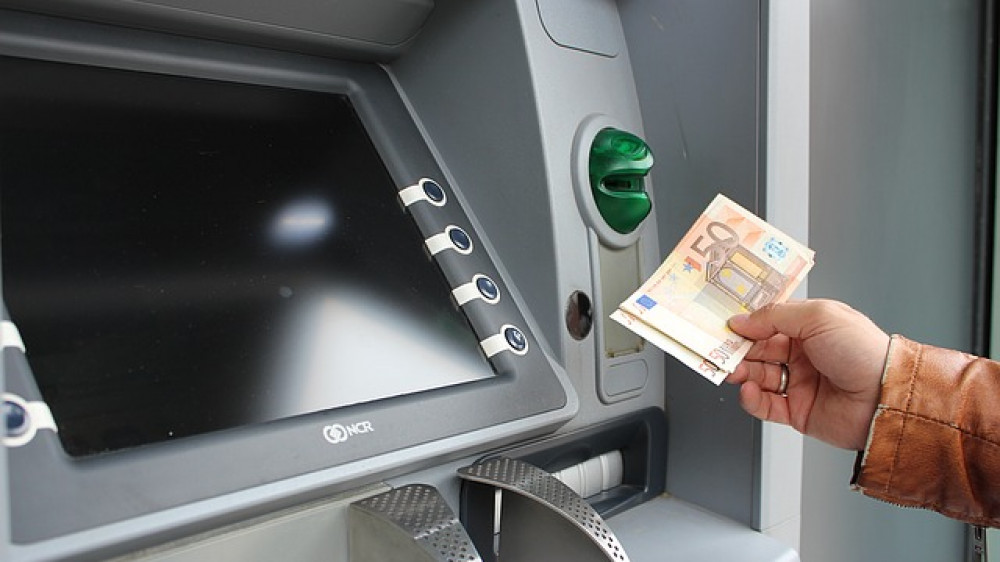
Banking Fees on the Rise: Why Your Own Bank May Now Charge for ATM Withdrawals
When you think of Germany's widespread banking network, savings banks (Sparkassen) and cooperative banks (Volks- und Raiffeisenbanken) likely come to mind. Together, they operate over 20,000 branches, far more than all private banks combined. This extensive coverage has traditionally meant convenient, fee-free access to cash for millions of customers. However, a significant shift is underway. An increasing number of these very institutions are now charging their own customers fees for withdrawing money from their own ATMs. This trend, highlighted in an analysis by the financial portal Biallo, marks a notable change in personal banking and consumer finance in Germany, directly impacting your monthly budget and financial planning.
The Current Fee Landscape: Who Charges and How Much?
As of March 1st, the analysis reveals a concerning trend: 69 savings banks, 311 cooperative banks, and one direct bank now impose a fee when customers withdraw cash from their own bank's ATM. It's crucial to differentiate here:
- Regional Withdrawals: 300 institutions charge a fee even when a customer withdraws money within their own regional banking network.
- Partner Bank Withdrawals: 80 institutes charge fees when a customer from a partner bank (e.g., a different regional Sparkasse) uses their ATM.
The fee structures vary widely. About half of the affected banks allow two to five free withdrawals per month before charging. However, 150 institutes impose a fee from the very first withdrawal. Fees for withdrawals at your own regional provider range from five cents to 1.25 euros.
Understanding the "Partner Bank" Fee Trap
The situation can become significantly more expensive when using ATMs of partner banks within the same financial network (like the Sparkassen-Finanzgruppe or the Volksbanken Raiffeisenbanken network). While these banks are organized in alliances, they operate as independent regional entities. They charge each other interbank fees for ATM usage, which are then passed on to the customer.
Biallo explains: "What many people don't know: If a customer of VR-Bank A uses the ATM of VR-Bank B, Bank B charges Bank A 1.02 euros for this service. And many Volks- and Raiffeisenbanks reclaim exactly this amount from their customers. A similar regulation exists among the Sparkassen and the Cash Group (Hypovereinsbank, Deutsche Bank, Commerzbank, and Postbank)."
Typically, this foreign fee of 1.02 euros is only charged after five free withdrawals. However, costs can escalate quickly. For example, if you move to a different city but keep your hometown bank account, you might frequently use "foreign" ATMs within the network. Some banks, often in rural areas, charge hefty sums. For instance, Volksbank Aurich charges a steep five euros after four withdrawals within the VR network, and VR Lausitz charges 4.50 euros from the sixth withdrawal onward.
How to Protect Your Wallet: Smart Banking Strategies
This trend underscores the importance of being an informed banking customer. Here are key strategies to minimize fees:
- Review Your Bank's Fee Schedule: Carefully check your bank's current price list (Preis- und Leistungsverzeichnis) for ATM withdrawal fees, both for own and partner ATMs.
- Plan Your Cash Withdrawals: If your bank offers a few free withdrawals per month, plan and consolidate your cash needs to stay within the limit.
- Consider a Fee-Free Account: Explore accounts from direct banks (Direktbanken) or certain checking accounts (Girokonto) that explicitly offer free nationwide ATM withdrawals, often through large partner networks.
- Use Cashback at Supermarkets: In many stores, you can withdraw cash for free when paying with your debit card—a simple way to avoid ATM fees entirely.
- Re-evaluate Your Banking Relationship: If fees are becoming burdensome, it may be time to compare banks. Consider not only fees but also the quality of online banking, customer service, and other account features as part of your overall financial management strategy.
The introduction of these fees reflects the broader economic pressures on traditional banks. As a customer, staying proactive and informed is your best defense against eroding the value of your savings through seemingly small but cumulative charges.
Insurers and brokers struggle in claims management with high backlogs, increasing claim frequencies, skilled labor shortages, and growing customer expectations. Manual processes are expensive and slow.