Breaking Language Barriers: How German Insurers Are Embracing Inclusion
In today's globalized society, a significant portion of the population in Germany does not speak German as their first language. For the insurance industry, this presents both a challenge and an opportunity. How can insurers provide essential services and clear advice to customers facing a language barrier? A recent industry study by the institute Fralytics examined this very question, assessing how major composite insurers (Kompositversicherer) handle customer inquiries involving language barriers. The findings highlight a growing commitment to inclusion and accessibility, with companies like HUK-Coburg leading the way. Their approach offers a blueprint for the entire sector on turning ESG (Environmental, Social, and Governance) principles into practical, customer-centric service.
The Challenge: Language as a Barrier to Essential Protection
Insurance is built on clear communication. Understanding policy terms, coverage details, and claims procedures is non-negotiable. When customers cannot communicate effectively, they risk being underinsured, missing critical benefits, or having claims unfairly denied due to misunderstandings. This not only harms the customer but also damages the insurer's reputation and contradicts modern corporate social responsibility (CSR) and diversity, equity, and inclusion (DEI) goals. The Fralytics study aimed to see how the industry is moving beyond this challenge.
Case Study: HUK-Coburg's Multi-Lingual Service Strategy
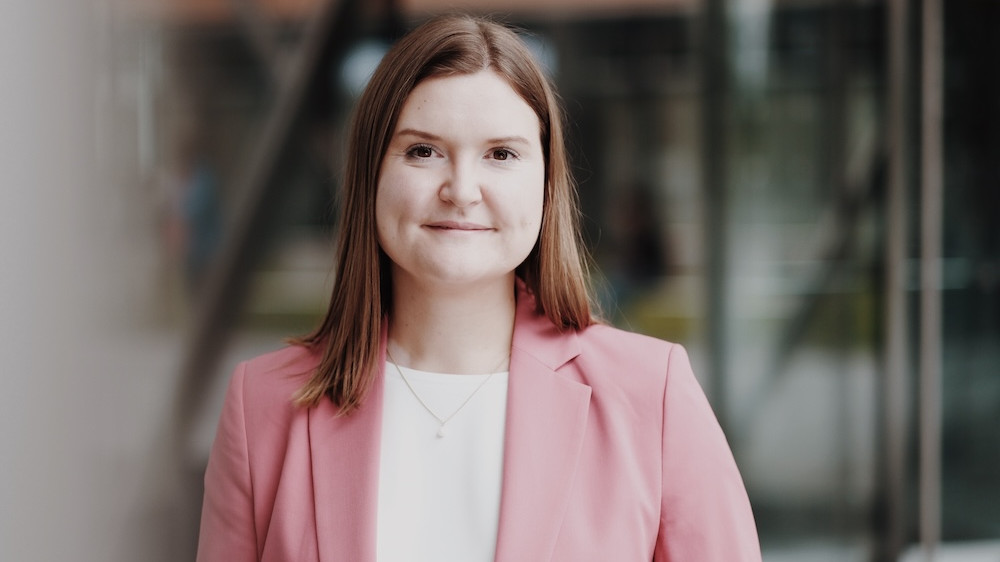
In an interview with Lisa-Marie Heimes, Sustainability Expert at HUK-Coburg, the company detailed the specific strategies that earned them a "very good" inclusion score. Their approach is multifaceted, focusing on both human resources and technology:
- Immediate Call-Back Service: If a customer cannot speak German, the frontline agent immediately offers an English-language call-back. This prevents frustrating, unproductive conversations and ensures the customer connects with a qualified specialist.
- In-House Language Experts: Beyond English, HUK-Coburg employs staff experts who can handle service dialogues in French, Italian, Spanish, Dutch, and Portuguese over the phone.
- Translated Documentation: Critical service scripts and dialogues are pre-translated and made available to staff, ensuring consistency and accuracy in multi-lingual interactions.
- Employee Upskilling: The company offers regular English courses for its service center staff and provides access to an e-learning platform for continuous language and skills development.
- Leveraging Translation Technology: For written documents, language experts use professional translation tools to accurately process correspondence in various languages.
Looking Ahead: Compliance and Continuous Improvement
Heimes also highlighted future steps, particularly in response to the upcoming Barrierefreiheitsstärkungsgesetz (BFSG) – the German Accessibility Strengthening Act set to take effect in 2025. This law will mandate higher standards for digital accessibility. HUK-Coburg is proactively optimizing its website, focusing on technical usability and comprehensibility to ensure all customers, regardless of ability or language proficiency, can navigate their online services effectively.
Why This Matters: The Business Case for Inclusive Insurance
Implementing these services isn't just about goodwill; it's a sound business strategy aligned with ESG compliance and market growth.
| Business Driver | How Multi-Lingual Services Help | Long-Term Benefit |
|---|---|---|
| Market Expansion | Accesses the sizable expatriate, immigrant, and international professional market in Germany. | New customer acquisition and increased market share. |
| Risk Mitigation | Reduces errors and misunderstandings in policy setup and claims, leading to fewer disputes and complaints. | Lower operational costs, reduced legal risk, and improved regulatory standing. |
| Customer Loyalty & Trust | Builds strong relationships by showing respect for the customer's needs and making complex products accessible. | Higher customer retention rates, positive word-of-mouth, and a stronger brand reputation. |
| ESG/DEI Performance | Demonstrates tangible commitment to social inclusion, a key component of ESG ratings and corporate sustainability reports. | Attracts socially-conscious investors and talent, and meets evolving stakeholder expectations. |
Key Takeaways for the Industry and Consumers
The HUK-Coburg case shows that effective inclusion requires a dedicated, resource-backed strategy. For other insurers, the message is clear: language accessibility must be integrated into core service design, not treated as an afterthought.
For consumers, especially those who are not fluent in German:
- Ask About Language Services: When shopping for car insurance (Kfz-Versicherung), home insurance (Hausratversicherung), or liability insurance (Haftpflichtversicherung), inquire directly about the insurer's multi-lingual support options.
- Seek Clear Documentation: Ensure you can receive key policy documents and communications in a language you fully understand.
- Choose Insurers Committed to Inclusion: Support companies that demonstrate a proactive approach to accessibility, as they are more likely to provide fair and transparent service throughout the policy lifecycle.
As the German insurance market evolves, breaking down language barriers is no longer optional—it's a fundamental requirement for serving a diverse society and building a resilient, future-proof business.