Beyond Hokkaido: Why You Should Try Spaghetti Squash This Fall
When autumn arrives, thoughts turn to pumpkins and squash. While Hokkaido and Butternut are classics, there's another variety that deserves a spot on your table: the spaghetti squash. This unique vegetable offers a fun texture, impressive nutrition, and incredible versatility, making it a perfect ingredient for healthy fall cooking. Think of it as a smart, natural addition to your wellness toolkit—much like choosing a preventive-focused health insurance plan that supports your long-term health goals, whether it's a flexible private insurance PPO or a comprehensive Medicare Advantage plan. Let's explore why this squash is a fall superstar.
What is Spaghetti Squash?
Originating from Japan, spaghetti squash is named for its unique flesh. When cooked, the interior separates into long, noodle-like strands that resemble spaghetti pasta. It typically has a hard, yellow or green-streaked outer shell.
Nutritional Powerhouse: Low Calories, High Value
According to the U.S. Department of Agriculture (USDA), spaghetti squash is a nutritional standout, especially for those mindful of calorie intake or managing weight—a common health goal that aligns with preventive care often encouraged by health insurance wellness programs.
| Nutrient (per 100g raw) | Amount | Health Benefit |
|---|---|---|
| Calories | 31 kcal | Excellent low-calorie base for meals, supporting weight management. |
| Carbohydrates | ~7 g | Lower in carbs than traditional pasta; a good source of complex carbs. |
| Fiber | ~1.5 g | Supports digestive health and promotes satiety. |
| Vitamin C | Significant | Boosts immune function and acts as an antioxidant. |
| Vitamin A (as Beta-Carotene) | Present | Supports vision, skin health, and immune function. |
| Minerals (Calcium, Iron, Magnesium) | Present | Supports bone health, oxygen transport, and muscle function. |
Its high water content (over 90%) and low calorie density make it an ideal food for creating satisfying, voluminous meals without excess calories.
How to Cook and Prepare Spaghetti Squash
The key to perfect "noodles" is proper preparation. Here’s the basic method:
- Cut Safely: Carefully slice the squash in half lengthwise. (Tip: Microwave for 2-3 minutes to soften the shell slightly for easier cutting).
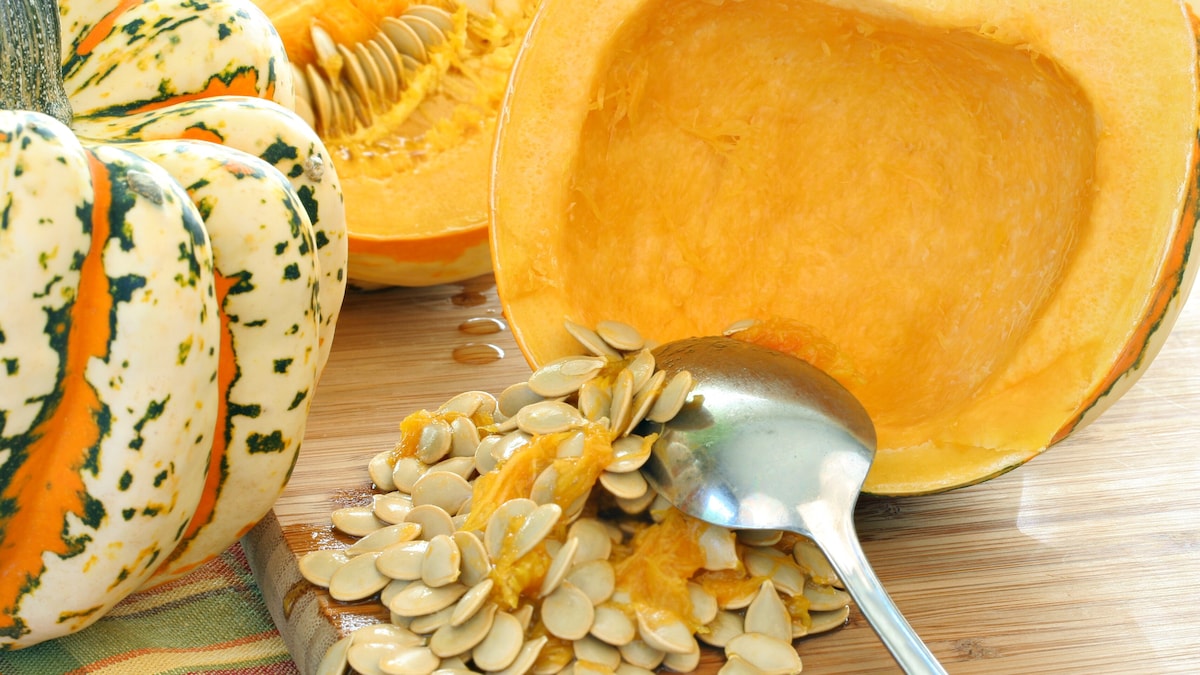
- Scoop Out Seeds: Use a spoon to remove the seeds and stringy pulp from the center.
- Roast: Place halves cut-side down on a baking sheet. Roast at 400°F (200°C) for 35-45 minutes, or until the flesh is tender and easily pierced with a fork.
- "Spaghettify": Let cool slightly, then use a fork to scrape the flesh. It will naturally separate into long strands.
Creative and Healthy Recipe Ideas
Spaghetti squash's neutral flavor makes it a fantastic canvas for a wide range of dishes, helping you eat more vegetables—a core tenet of preventive nutrition that can reduce long-term health risks.
- The Ultimate Pasta Substitute: Toss the strands with your favorite sauces. It pairs perfectly with marinara, pesto, or a hearty Bolognese for a low-carb, gluten-free meal that doesn't sacrifice satisfaction.
- As a Flavorful Side or Appetizer: Sauté the strands with garlic, olive oil, cherry tomatoes, and fresh basil. Top with crumbled feta for a simple, elegant side dish.
- A Show-Stopping Presentation: Serve the squash in its own shell. Fill the roasted "boats" with a warm lentil stew, sautéed vegetables, or a creamy mushroom ragout for a memorable, wholesome meal.
Integrating Healthy Foods into Your Overall Wellness Plan
Incorporating nutrient-dense, low-calorie foods like spaghetti squash is a practical step toward better health. This aligns seamlessly with a proactive approach to healthcare:
- Preventive Nutrition: A diet rich in vegetables is linked to lower risks of obesity, heart disease, and type 2 diabetes—conditions that drive high healthcare costs. Eating well is a form of daily preventive care.
- Synergy with Insurance Benefits: Many health insurance and Medicare Advantage plans offer nutritional counseling or wellness incentives. Use these resources to get personalized advice on incorporating more whole foods into your diet.
- Cost-Effective Health: Investing in affordable, seasonal produce like squash is a cost-effective way to improve your diet, potentially reducing future medical expenses—a principle at the heart of value-based insurance models.
Conclusion: A Simple Swap for a Healthier Fall
Spaghetti squash is more than a novelty; it's a delicious, nutritious, and versatile vegetable that can help you enjoy comfort food classics in a healthier way. By adding it to your fall rotation, you're making a choice that supports weight management and overall wellness. Pair this smart dietary habit with regular use of your health insurance preventive benefits to build a robust, holistic strategy for long-term health. Give this underrated squash a try—your taste buds and your body will thank you.