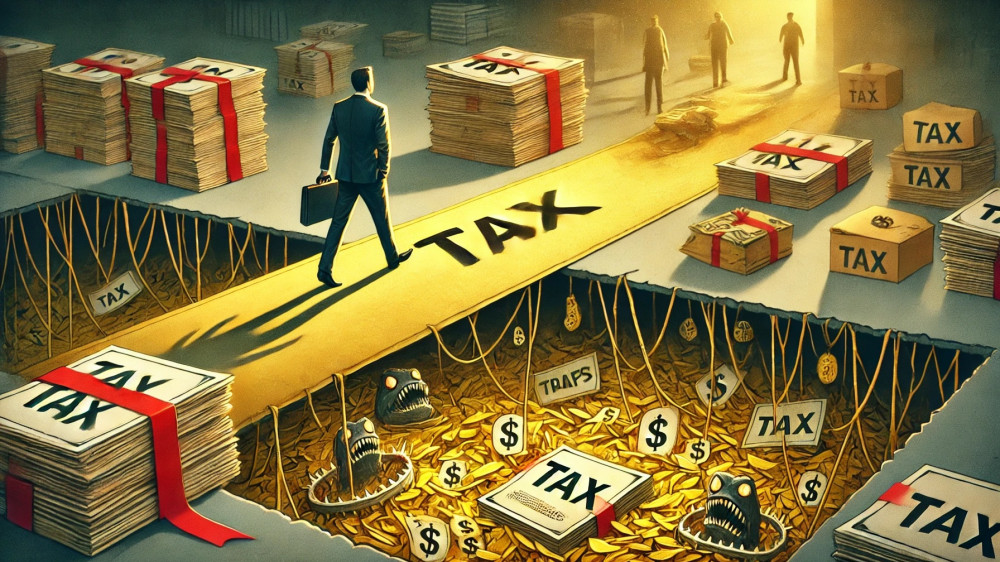
Navigating 2025 Tax Reforms: A Guide for Small Business Owners
As a small or medium-sized enterprise (SME) owner, staying ahead of tax changes is crucial for your bottom line. The 2025 fiscal year introduces several reforms aimed at reducing administrative burdens, primarily through the Annual Tax Act 2024 and the Bureaucracy Relief Act. However, not every change is a straightforward benefit. Some contain critical nuances that could impact your cash flow and compliance. This guide, drawing on insights from tax expert Prof. Dr. Christoph Juhn, breaks down what you need to know to navigate these updates successfully.
1. Small Business Regulation: Higher Limits, A Stricter Cliff-Edge
The small business regulation (Kleinunternehmerregelung) is a vital VAT simplification for micro-enterprises. The revenue thresholds are increasing significantly:
- Old Limits: €22,000 (prior year) / €50,000 (current year forecast).
- New 2025 Limits: €25,000 (prior year) / €100,000 (current year forecast).
This allows more businesses to benefit from VAT exemptions. "This should help many small companies continue to benefit from value-added tax simplifications," notes Juhn.
The Critical Pitfall: The rule now has a strict cutoff. If your revenue exceeds the €100,000 mark at any point in the current year, the exemption ends immediately. The previous option to continue the exemption until year-end is eliminated. This creates a potential "cliff-edge" risk for growing businesses.
2. VAT Cash Accounting: A Future Compliance Change
Cash accounting (Ist-Versteuerung) remains attractive for SMEs with a prior-year turnover below €800,000, as VAT is only due upon customer payment.
The Upcoming Change (2028): Businesses using cash accounting must explicitly state this on their invoices. Only then can the invoice recipient claim the input tax deduction. "This can lead to cash flow bottlenecks if payment is delayed," warns Juhn. Service providers and tradespeople with long payment terms should prepare for this future shift.
3. Photovoltaic Systems: A Doubled Exemption Threshold
Businesses installing PV systems on commercial properties benefit from a VAT exemption. The power output limit doubles from 15 kWp to 30 kWp. "This adjustment is particularly interesting for SMEs with their own commercial real estate," says Juhn.
Important Distinction: This is a tax exemption threshold (Freigrenze), not a deduction (Freibetrag). Exceeding the limit by even a small amount results in the complete loss of the exemption for the entire system.
4. New Benefit-in-Kind Values for Employees
Updated standardized values for the tax treatment of non-cash benefits take effect in 2025. These are key for companies providing meals or housing to employees.
| Benefit Type | 2025 Value (per day/event) |
|---|---|
| Breakfast | €2.40 |
| Lunch/Dinner | €6.00 |
| Other Meal Provisions | €3.60 |
| Private Use of Company Housing | € 26.00 / m² per month |
5. Bureaucracy Relief Measures
The Bureaucracy Relief Act introduces several simplifications:
- Extended Retention Periods: The mandatory retention period for certain documents is extended from 6 to 8 years, aligning with other deadlines and reducing filing pressure.
- Digital Submission: Enhanced options for digitally submitting mandatory reports to authorities.
- Simplified Processes: Streamlined procedures for business registrations and notifications.
Strategic Takeaways for Your Business
While these changes offer real relief, proactive management is essential:
- Monitor Your Revenue Closely: If you're near the new €100,000 small business threshold, implement robust revenue tracking to avoid an unexpected loss of your VAT status.
- Plan for 2028 Invoice Rules: If you use cash accounting, start planning how to update your invoicing systems to include the required note well before the 2028 deadline.
- Review Employee Benefits: Update your payroll processing to reflect the new benefit-in-kind values to ensure accurate tax withholding.
- Consult Your Tax Advisor: These reforms interact with your specific business model. A review with your tax advisor or CPA can help you optimize your position and ensure full compliance, turning these changes into a strategic advantage.
By understanding both the opportunities and the pitfalls in these 2025 tax changes, you can make informed decisions that protect your cash flow and support your business's growth.