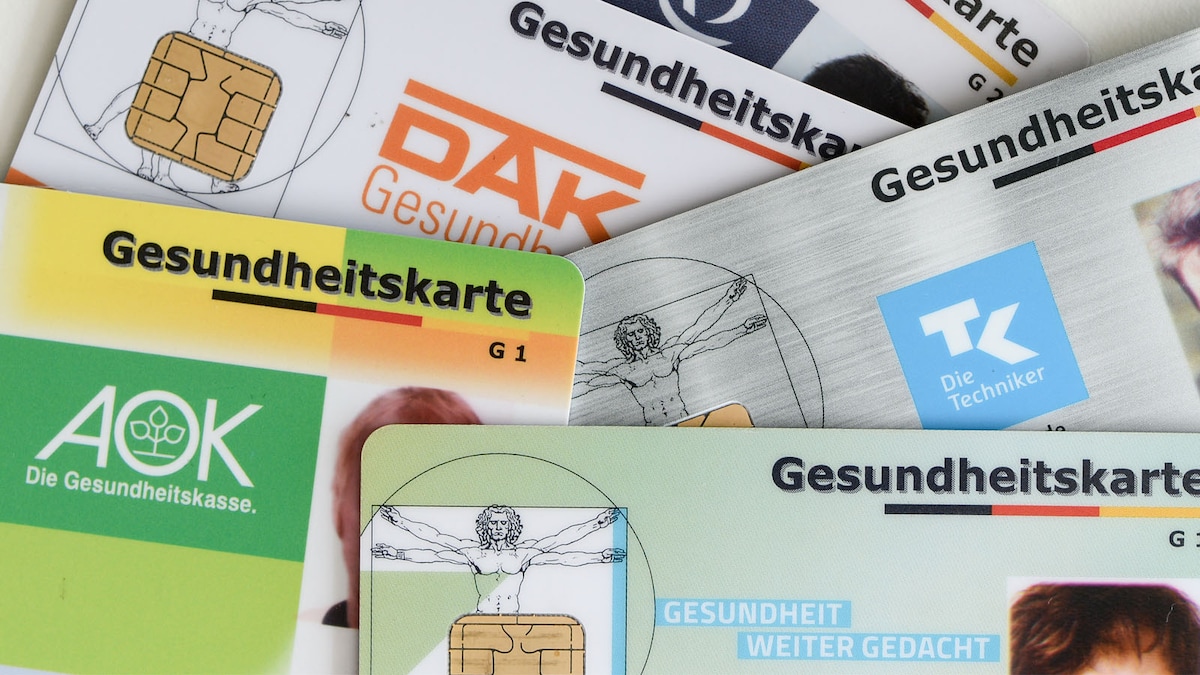
Is the Healthcare System Heading for Collapse? Rising Premiums, Public Anger, and the Search for Solutions
The announcement of yet another increase in statutory health insurance (Gesetzliche Krankenversicherung, GKV) premiums has ignited a firestorm of public debate in Germany. As contributions are set to rise—with potential additional rates reaching 2.9% in the coming year—millions are asking: Where is our healthcare system headed, and who will ultimately bear the crushing financial burden? This discussion mirrors global anxieties about healthcare sustainability, familiar to Americans watching the strains on Medicare, Medicaid, and private insurance markets. Let's dissect the core arguments from the public, analyze the systemic pressures, and explore what a fairer future might require.
The Public Debate: Five Key Points of Contention
Online forums and reader comments reveal deep fissures in public trust. Here are the primary themes driving the controversy.
1. The Migration and Welfare Recipient Argument
A significant portion of the public blames rising costs on the healthcare coverage of migrants and recipients of basic social security (Bürgergeld). Critics argue that the state does not fully reimburse the GKV for these groups, unfairly shifting the cost onto contributing members. The sentiment is that individuals who have never paid into the system receive the same level of care as lifelong contributors, which is perceived as a fundamental breach of the insurance principle.
"Migration into the social systems is expensive, whether paid from taxes or by contributors who must top up the state's insufficient subsidies for people who have never paid a euro." – Reader Comment
Fact Check: The federal government does provide substantial subsidies (€14.5 billion in 2023), but acknowledged gaps remain. This debate often overshadows more significant cost drivers but highlights a crisis of perceived fairness.
2. The Burden on Workers and Pensioners
Many employed individuals and retirees feel they are carrying a disproportionate load. They face rising contribution deductions from their wages or pensions while perceiving a decline in service quality, longer wait times, and increased out-of-pocket costs. The feeling is one of a broken social contract.
"As a pensioner, I pay about €370 monthly into health insurance, even though I live mostly abroad and derive no benefit from it." – Reader Comment
3. Political Failure and the Lack of Structural Reform
Perhaps the most widespread criticism is directed at policymakers. Citizens accuse the political establishment of chronic inaction, failing to deliver the profound structural reforms promised for decades. Instead of tackling inefficiencies, the system is seen as relying on endless stopgap measures and burdening the same group of contributors.
"Where are the structural reforms promised by the old parties in recent years? So far, no effective reforms have been implemented." – Reader Comment
4. The Demographic Time Bomb: An Aging Society
Beyond the heated political rhetoric, a cold, hard demographic reality persists: society is aging. Older populations require more frequent and more expensive medical care, from chronic disease management to long-term care. While some comments unfairly frame seniors as a cost, others rightly call for an honest conversation about how to finance geriatric care in a solidarity-based system.
"Society is aging, and older people simply cost significantly more. More cases of illness, more costs in long-term care insurance... This cannot be changed." – Reader Comment
5. Questioning Value for Money and System Efficiency
Amidst the cost debate, many question what they get in return. They report bureaucratic hurdles, unnecessary appointments mandated by insurers, and the creeping privatization of services that were once standard. The core complaint: the system is becoming more expensive and less effective.
"I am forced to go to my GP every quarter to get my blood pressure medication. The doctor says the health insurers want it that way. The card has to be scanned." – Reader Comment
A Comparative Lens: Germany's GKV vs. US Healthcare Challenges
To provide context for American readers, Germany's GKV crisis shares themes with US healthcare debates:
| Challenge | In Germany's GKV (Public System) | Analogous Challenge in the US System |
|---|---|---|
| Rising Costs | Premium increases, pressure on public budgets. | Skyrocketing premiums in private insurance, rising out-of-pocket costs in Medicare. |
| Demographic Pressure | Aging population straining pension and healthcare funds. | Medicare trust fund facing insolvency due to retiring Baby Boomers. |
| Funding Fairness | Debate over who pays for non-contributors (migrants, welfare). | Debates over Medicaid expansion, coverage for undocumented immigrants, and cross-subsidization in private markets. |
| Political Gridlock | Inability to pass deep structural health reforms. | Chronic political stalemate over healthcare reform (e.g., Affordable Care Act battles, drug price negotiations). |
Potential Pathways Forward: Reforms on the Table
The debate points to several, often conflicting, solutions:
- Broadening the Financing Base: Moving away from pure income-based contributions to include other revenue sources (e.g., wealth, capital gains).
- Radical Efficiency Drives: Reducing administrative bloat, enforcing drug price controls, and streamlining care pathways.
- Tiered Benefit Models: Discussing a basic level of care for all, financed collectively, with optional private top-up insurance for enhanced services—a hybrid model.
- Honest Demographic Dialogue: Publicly planning for the costs of an aging society, potentially including later retirement or adjusted co-payments for high-cost interventions at very advanced ages.
Conclusion: A System at a Crossroads
The German healthcare system is not collapsing imminently, but it is under severe and growing stress. The rising premiums are a symptom of deeper issues: demographic shifts, political paralysis, and a crisis of solidarity. The public debate, while sometimes divisive, is a necessary reflection of these pressures. The path forward requires courageous political leadership willing to implement transparent, fair, and sustainable reforms. The alternative is a continued erosion of trust and a system that fails both its contributors and those in need.
Join the Discussion: Who should shoulder the main burden of future premium increases? How can the healthcare system be financed more fairly? Whether you're in Germany's GKV, the US private market, or on Medicare, we want to hear your perspective. Share your experiences and solutions in the comments below.