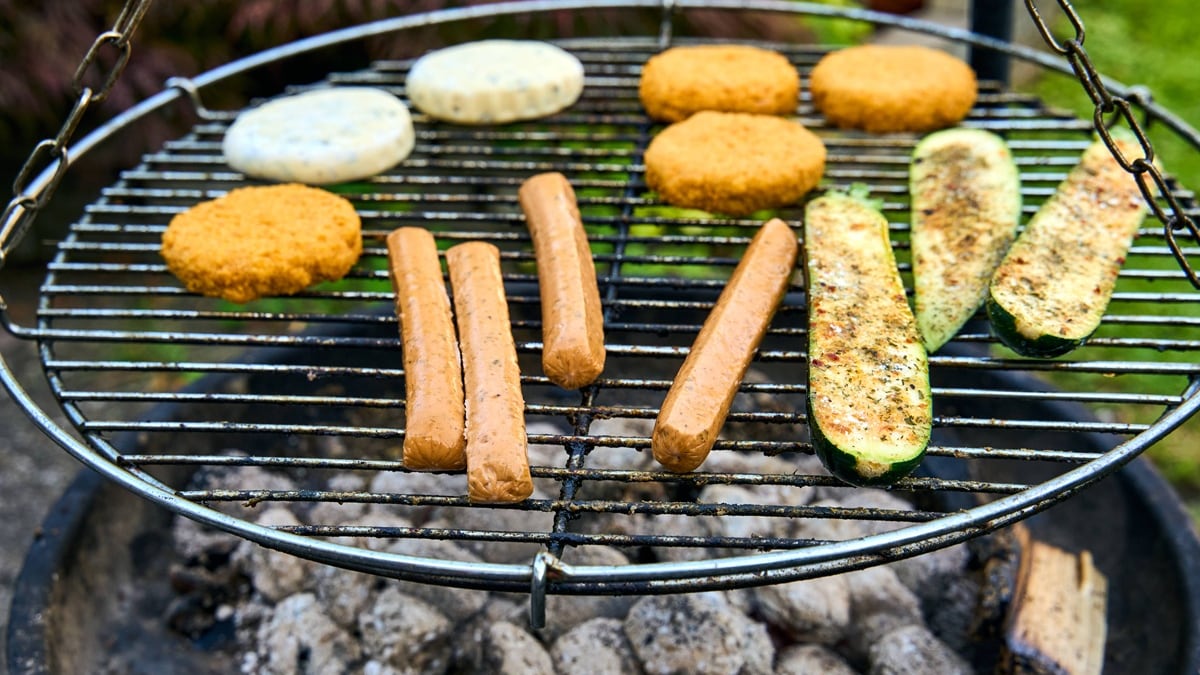
EU Name Ban Debate: Could "Veggie Sausage" and "Soy Schnitzel" Soon Be Illegal?
A heated debate is reigniting in the European Union that could reshape your grocery aisle. A new proposal, advanced by the European People's Party (EPP) and approved by the EU Parliament's Agriculture Committee, seeks to ban the use of traditional meat terminology for plant-based alternative products. Terms like "vegan sausage," "plant-based schnitzel," "burger," and even "steak" could be prohibited on packaging for foods that contain no animal products. This move has sparked a fierce controversy between traditional agricultural interests and the rapidly growing plant-based food industry, with significant implications for consumer choice, market innovation, and clear labeling.
The Core of the Proposal: What's at Stake?
The proposed amendment aims to extend existing labeling regulations. Proponents, including EPP MEP Céline Imart, argue it's necessary to protect culinary heritage and prevent consumer confusion. "A steak is made from meat – period," Imart stated, emphasizing the defense of traditional food names. The initial list of potentially banned terms now includes:
- Steak
- Schnitzel
- Burger
- Sausage/Wurst
- Egg yolk (Eigelb) and Egg white (Eiweiß) for plant-based alternatives
The European Parliament is scheduled to make a final vote on this proposal in October, which could set a precedent affecting the entire alternative protein market.
Arguments For the Ban: Tradition and Clarity?
Supporters of the ban, often backed by conventional farming lobbies, present two main arguments:
- Protecting Traditional Terminology: They claim that meat-related names are part of Europe's cultural and gastronomic heritage and should be reserved exclusively for animal-derived products.
- Preventing Consumer Confusion: The argument suggests that shoppers, particularly the elderly, might be misled into buying a plant-based product thinking it contains meat, despite clear "vegan" or "plant-based" labels.
Arguments Against the Ban: Innovation and Consumer Choice
Critics, including environmental groups, consumer advocates, and the plant-based industry, condemn the proposal as restrictive and unnecessary.
- No Real Confusion: As Green MEP Thomas Waitz pointed out, "No one confuses a seitan schnitzel with a veal schnitzel." Products are clearly marked as vegan, vegetarian, or plant-based.
- Stifling a Sustainable Industry: Dr. Nina Wolff of Pro Veg expressed concerns that the ban would unfairly handicap a growing sector offering more sustainable and ethical choices. Descriptive names help consumers easily identify the product's format and use (e.g., a "veggie burger" behaves like a burger).
- "Cheap Populism": Opponents like Waitz see the move as "cheap populism" disguised as farmer protection, arguing it unfairly shields the meat industry from market competition rather than informing consumers.
Potential Impact on the Market and Consumers
If passed, this regulation would force brands to completely rebrand and repackage products, incurring significant costs. It could also:
| Potential Consequence | Explanation |
|---|---|
| Increased Consumer Confusion | New, invented names (e.g., "plant-based disc" or "protein slab") may be less intuitive than "vegan sausage," potentially slowing adoption. |
| Higher Prices | Rebranding and remarketing costs could be passed on to consumers. |
| Market Barrier for Startups | Smaller companies in the plant-based sector may struggle with the cost and complexity of compliance. |
| Slowed Dietary Shift | Less clear labeling might hinder consumers seeking to reduce meat consumption for health, ethical, or environmental reasons. |
The Bigger Picture: A Global Trend and Your Health Choices
This EU debate is part of a larger global discussion about food labeling, similar to controversies over terms like "milk" for almond or oat beverages. For health-conscious consumers, clear labeling is key to making informed choices. Whether you choose plant-based alternatives for heart health, weight management, ethical reasons, or environmental concerns, having straightforward product names helps you navigate the supermarket efficiently. Just as you need clear information to choose the right health insurance plan—comparing a private insurance policy's coverage to Medicare benefits—you need clear food labels to choose products that align with your dietary goals.
The final decision in October will be a landmark moment. It will reveal whether EU policy prioritizes protecting traditional industries or fostering innovation for a more sustainable and diverse food future. As a consumer, staying informed on this issue empowers you to understand the forces shaping your food options and, ultimately, your plate.