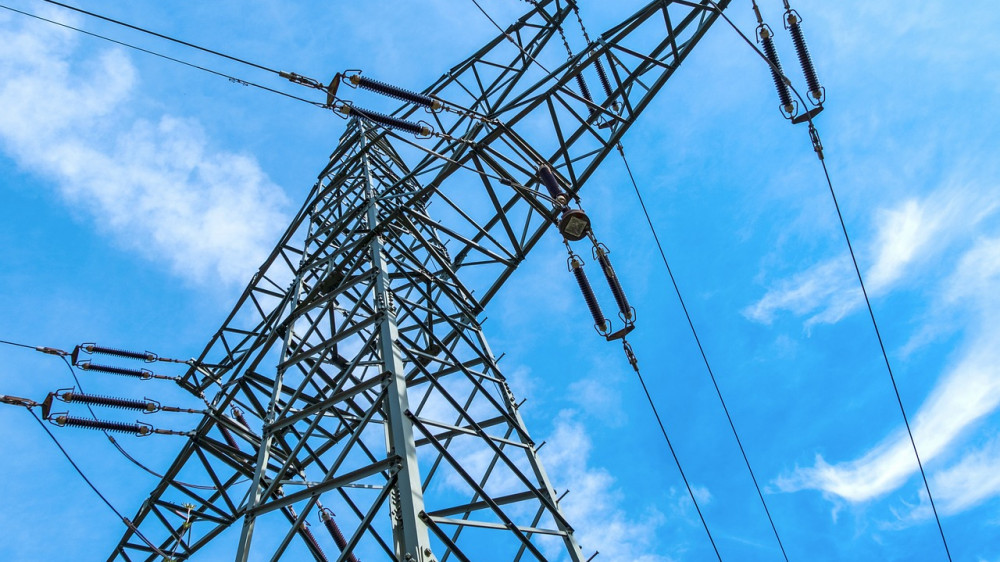
On April 28, 2025, Spain and Portugal experienced the largest power blackout in their history. In a matter of seconds, 60% of Spain's electricity demand vanished, triggering widespread production halts and crippling business operations. While power was restored relatively quickly, the economic aftershocks are profound, exposing a critical vulnerability in modern infrastructure and highlighting the indispensable role of specialized commercial insurance.
According to estimates cited by Reuters from RBC Investment Bank, the total economic damage ranges from €2.25 to €4.5 billion. Major manufacturers like Volkswagen and SEAT were hit hard, losing an entire day of production (approximately 1,400 vehicles) and facing significant delays in restarting operations. This single event is a stark reminder that in our interconnected world, a regional infrastructure failure can have immediate, multi-billion-dollar consequences.
For businesses, the financial impact extends far beyond the moment the lights come back on. The cascading effects trigger complex insurance claims across several key policy types:
| Insurance Policy Type | Role in a Major Power Outage | Potential Claims from the Iberian Blackout |
|---|---|---|
| Business Interruption (BI) Insurance | Covers lost net income and ongoing expenses during a shutdown caused by a covered peril. | Manufacturers, retailers, data centers, and any business forced to halt operations. |
| Contingent Business Interruption (CBI) | Covers losses when a key supplier or customer suffers a disruption, even if the insured's premises are unharmed. | Companies relying on components from affected Spanish/Portuguese factories. |
| Equipment Breakdown / Machinery Insurance | Covers physical damage to machinery from power surges or improper shutdown/restart sequences. | Damage to sensitive production lines, industrial robots, and processing equipment. |
| Commercial General Liability (CGL) | May provide defense if a business is sued for failing to deliver goods or services due to the outage. | Lawsuits from customers over delayed deliveries or breached contracts. |
| Cyber Insurance | Could respond if a power failure leads to data corruption, hardware damage, or security system failures. | IT system damage, data loss from improper shutdowns, and associated recovery costs. |
This event is a wake-up call for businesses and insurers globally. It demonstrates the fragility of even advanced power grids and underscores that business interruption is one of the most significant yet underinsured risks. Many standard property policies have limited or no BI coverage for utility service interruptions off-premises. The Iberian blackout proves that such exclusions can leave massive exposure gaps.
Key Lessons for Risk Management:
- Audit Your BI Coverage: Review your policy's definition of a covered cause of loss. Does it include utility service interruption? What is the waiting period (deductible) before coverage kicks in?
- Understand Your Supply Chain Risk: Evaluate your dependence on single-source suppliers in geographically concentrated areas. Contingent Business Interruption coverage is essential for modern, lean supply chains.
- Plan for Prolonged Outages: Develop a business continuity plan that includes backup power solutions and remote work protocols to minimize downtime.
- Quantify Your Exposure: Work with your broker or risk manager to accurately calculate your maximum probable loss from an extended outage, ensuring your policy limits are adequate.
The Iberian Peninsula blackout is more than a regional news story; it's a global case study in systemic risk. It reinforces that in today's economy, a company's financial health is inextricably linked to the resilience of the infrastructure around it. Proactively securing robust business interruption insurance and complementary coverages is not an optional expense—it's a fundamental strategy for operational and financial resilience in an unpredictable world.