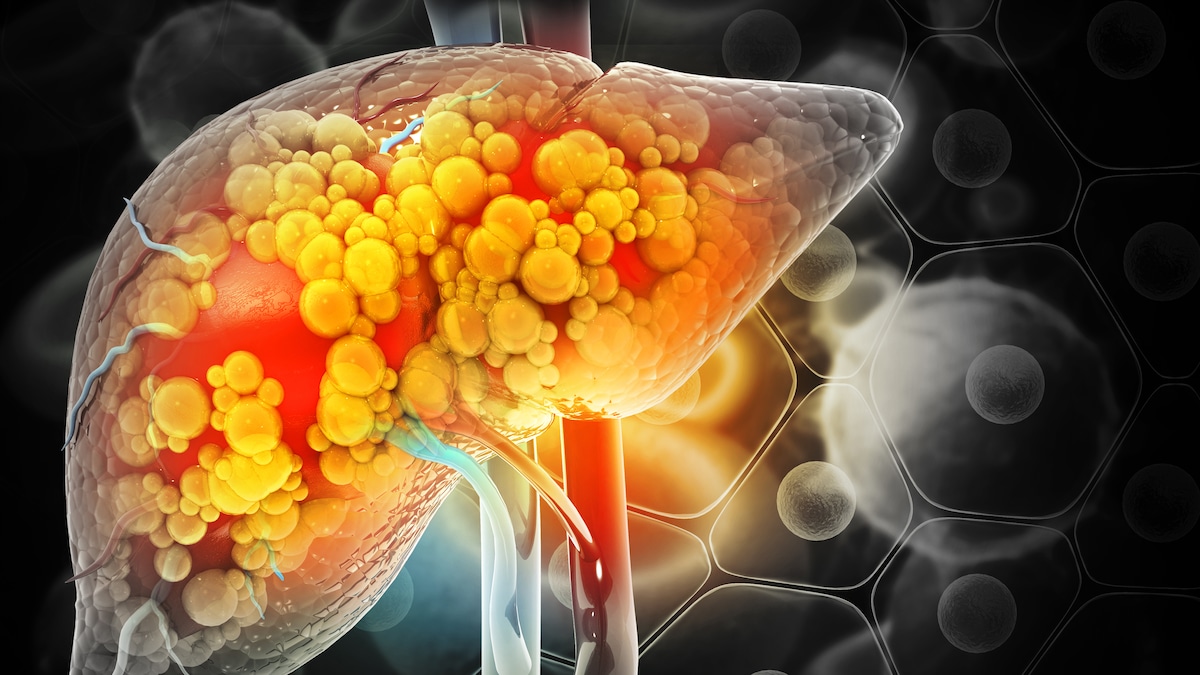
What Really Helps Fatty Liver Disease? A Science-Backed Guide for Your Health
Imagine discovering that a quarter of the adult population is affected by a condition that often shows no symptoms until it's advanced. This is the reality of fatty liver disease, now known as Metabolic dysfunction-associated steatotic liver disease (MASLD). Unlike conditions linked directly to alcohol, MASLD is driven by modern lifestyle factors: poor diet, lack of exercise, and metabolic problems like insulin resistance. For our American readers, think of MASLD not as a result of excessive drinking, but as a condition more akin to the health consequences of a diet high in processed sugars and unhealthy fats—issues that can affect anyone, regardless of weight. Just as navigating private health insurance in the USA or understanding the coverage nuances between Medicare and Medicaid requires clear facts, managing your liver health requires separating myths from evidence-based strategies.
Your liver is a vital organ without pain receptors, so damage can accumulate silently for years. This silent progression can lead to inflammation, scarring (fibrosis), and ultimately, cirrhosis or cancer. The financial and emotional toll of managing these advanced conditions underscores the importance of robust health insurance coverage. Whether you're on an employer-sponsored plan, a private medical insurance policy, or a government program, understanding preventive care is key to long-term wellness and potentially lowering healthcare costs.
Debunking Common Fatty Liver Myths: What Science Says
Numerous myths surround fatty liver disease. Nutrition scientist Sabrina Alves Fernandes analyzed popular advice, finding much of it misleading or even dangerous. "The greatest danger is ignorance," Fernandes warns. "Many worsen their condition by following well-intentioned but incorrect advice." Let's clear the confusion with facts.
Myth 1: All Carbohydrates Are the Enemy
It's tempting to eliminate bread, pasta, and rice. However, not all carbs are created equal. "The type of carbohydrate is crucial," Fernandes explains. The primary culprit is fructose, commonly found in soft drinks and ultra-processed foods. In contrast, complex, fiber-rich carbohydrates from whole grains, legumes, fruits, and vegetables can be protective. This principle mirrors smart healthcare planning: it's not about avoiding care (health insurance) altogether, but choosing the right plan (nutrient-rich foods) for your needs.
Myth 2: All Fats Worsen a Fatty Liver
Again, quality trumps quantity. Healthy fats from olive oil, nuts, and fatty fish have anti-inflammatory properties that support liver health. Conversely, trans fats and excessive saturated fats from processed meats, butter, and packaged foods promote damage. Consider this similar to evaluating insurance plans: a comprehensive private medical insurance policy with good preventive coverage (healthy fats) is far more valuable than a cheap plan with massive gaps (unhealthy fats).
Myth 3: Only Overweight People Get Fatty Liver
False. Up to 20% of individuals with MASLD are lean—a condition termed "lean MASLD." These individuals may have little subcutaneous fat but significant visceral (belly) fat, which releases inflammatory substances. Genetics, stress, and gut microbiome imbalances also play roles. This highlights that health risks aren't always visible, much like how the need for medical insurance isn't determined by your current health but by future uncertainty.
Myth 4: "Liver Detox" Supplements and Teas Are Helpful
This is not only unproven but can be hazardous. The effects of most "liver detox" products lack scientific backing. Some, like high-dose green tea extract, turmeric, or kava-kava, can cause acute hepatitis or even liver failure when overused. "A supplement with natural ingredients is not automatically harmless," Fernandes writes. Your liver doesn't need a trendy detox; it needs consistent care through a balanced, low-sugar diet. Similarly, reliable health insurance isn't found in quick fixes but in a stable, well-researched policy that offers real coverage.
Myth 5: A Little Alcohol is Okay
For MASLD, experts recommend complete abstinence. Any amount of alcohol can exacerbate fat accumulation and accelerate the path to cirrhosis. There is no "safe" threshold. This is a clear, non-negotiable guideline for liver health, just as understanding your policy's terms is non-negotiable for effective medical insurance use.
Actionable Steps for Liver Health & Smart Insurance Planning
Protecting your liver is a powerful form of long-term health investment. Here’s a quick comparison of helpful versus harmful approaches:
| What Helps Your Liver | What Harms Your Liver |
|---|---|
| Fiber-rich complex carbs (whole grains, legumes) | Fructose-sweetened drinks & processed foods |
| Healthy fats (olive oil, nuts, fish) | Trans fats & excess saturated fats |
| Regular physical activity | Sedentary lifestyle |
| Maintaining a healthy weight (focus on visceral fat) | Relying solely on scale weight as a health metric |
| Evidence-based medical guidance | Unproven "detox" supplements & teas |
| Complete alcohol abstinence (for MASLD) | Any regular alcohol consumption |
Just as you would review this table for liver health, you should compare health insurance plans. Consider coverage for preventive screenings, nutritionist consultations, and chronic disease management—all relevant for conditions like MASLD. Whether you're evaluating private health insurance in the USA or your benefits under Medicare, ensure your plan supports a proactive approach to health.
Managing fatty liver disease effectively reduces your risk of severe complications, leading to better health and potentially lower long-term medical costs. By adopting science-backed lifestyle changes and securing appropriate medical insurance coverage, you take a comprehensive step toward safeguarding your well-being. Start by consulting your doctor for personalized advice and reviewing your health insurance options to ensure you're covered for the care you need.