Wrong Fuel in the Tank? Your Complete Guide to Preventing Costly Engine Damage
You're at the pump, distracted, and suddenly realize you've put the wrong fuel in your car. It happens more often than you think—thousands of times a year. This simple mistake, known as misfueling, can lead to repair bills in the thousands of dollars if handled incorrectly. But don't panic. Knowing the immediate steps to take and understanding how your auto insurance, roadside assistance, and car warranty policies respond can save you from financial disaster. This guide provides clear, actionable advice to navigate this stressful situation, drawing on expert insurance principles relevant to drivers everywhere.
The Critical First Steps: What to Do the Moment You Realize the Mistake
DO NOT START THE ENGINE OR TURN THE IGNITION. This is the most important rule. Starting the car will pump the contaminated fuel into the fuel lines and engine, causing severe internal damage. Here's your emergency checklist:
- Stop Immediately: If you're still pumping, stop. Do not add more fuel.
- Do Not Start the Car: Leave the ignition off. If you haven't started it, you've likely prevented major damage.
- Move to Safety: If possible, have the vehicle pushed to a safe parking spot away from the pump.
- Call for Professional Help: Contact a towing service or your roadside assistance provider (e.g., AAA, your auto manufacturer's service, or insurance-linked service). They can dispatch a technician to drain and flush the tank on the spot.
- Keep Receipts: If you paid for the wrong fuel, keep the receipt. It may help document the incident.
Will Your Auto Insurance Cover Misfueling Damage?
This is where clarity is crucial. Standard U.S. auto insurance policies are not designed for this specific error. Here’s a breakdown of typical coverage:
| Insurance Type | Covers Misfueling Damage? | Details & Exceptions |
|---|---|---|
| Liability Insurance | No | Only covers damage you cause to other people's property or injuries. Does not cover your own car. |
| Collision Coverage | Typically No | Covers damage from accidents with another vehicle or object. Misfueling is considered negligence, not a collision. |
| Comprehensive (Other Than Collision) Coverage | Very Rarely | While comprehensive covers many non-crash incidents (fire, theft, vandalism), damage from using the wrong fuel is almost always excluded as a "mechanical breakdown" or "operator error." |
| Mechanical Breakdown Insurance (MBI) or Extended Warranty | Possibly | Some higher-end extended warranties or standalone MBI policies may cover resulting internal engine damage if the mistake causes a breakdown. Check your contract's exclusions carefully. |
The Real Lifesaver: Roadside Assistance Plans. The primary cost you can recover is for the emergency service call to drain the tank (usually $150-$400). This is often covered by:
- Your auto insurance add-on (e.g., many insurers offer roadside assistance).
- An independent roadside assistance membership (AAA, Better World Club).
- Your new car warranty or manufacturer's assistance program (e.g., GM's OnStar, Toyota Roadside Assistance).
- Some credit card benefits.
Special Situations: Rental Cars, Borrowed Cars, and Company Vehicles
- Rental Cars: The rental company's loss damage waiver (LDW) or your credit card's rental car insurance typically excludes misfueling damage. You will be held liable for all repair costs and often a substantial "loss of use" fee. Tip: Always double-check the fuel type (usually on the gas cap and rental contract) and only use the specified grade.
- Borrowed Cars: Your personal auto insurance policy usually follows you when driving a borrowed car for occasional use. However, the same exclusions for misfueling apply. The car owner's policy would be primary, but their insurer may seek reimbursement from you if the damage is due to your negligence.
- Company Vehicles: Your employer's commercial auto policy should cover the vehicle. However, you may face disciplinary action if the mistake is deemed gross negligence.
Proactive Prevention: How to Avoid Misfueling
Prevention is the best and cheapest policy. Adopt these habits:
- Use a Fuel Cap Reminder: Place a bright, durable sticker on the inside of your fuel door stating the correct fuel type (e.g., "DIESEL ONLY" or "UNLEADED 87+ ONLY").
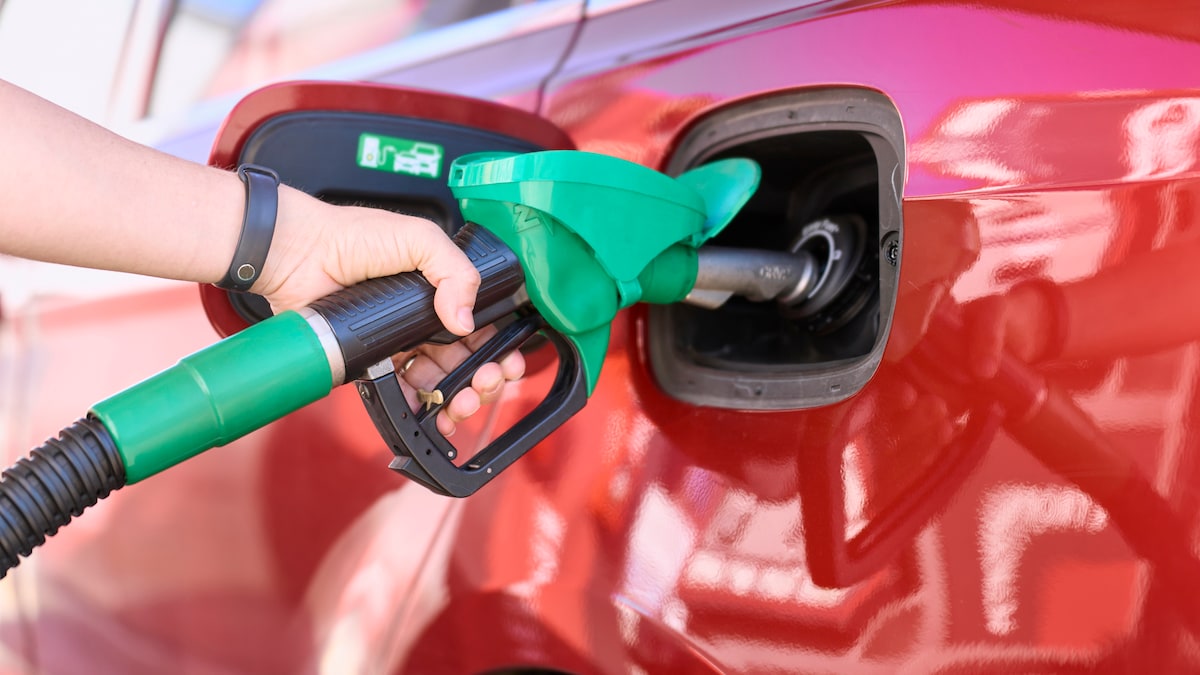
- Pay Attention at the Pump: Modern pumps have different colored handles (e.g., green for diesel in the U.S., though this varies). Make it a ritual to read the label on the pump nozzle before grabbing it.
- For Diesel Drivers: Be extra vigilant. Diesel nozzles are larger, but gasoline nozzles can still fit into most modern diesel cars. Many diesel cars have a capless fuel system with a green flap or ring—use that as your visual cue.
- When Driving Abroad or a New Car: Take an extra moment. Fuel names and colors differ internationally. Familiarize yourself with local terms (e.g., "Benzin" is gasoline in Germany, "Gasoil" is diesel in France).
Final Checklist if It Happens to You
1. Don't start the car.
2. Call roadside assistance for a tank drain/flush.
3. Check your roadside assistance coverage for towing/on-site service.
4. Do not expect your standard collision or comprehensive auto insurance to pay for repairs.
5. Review your extended warranty or mechanical breakdown policy for possible coverage of engine damage.
6. For rentals, expect to pay out-of-pocket—be doubly careful.
By acting quickly and knowing where your financial protection truly lies, you can turn a potentially catastrophic error into a manageable, if inconvenient, incident. Stay alert at the pump and ensure your roadside assistance coverage is active—it's your first line of defense.