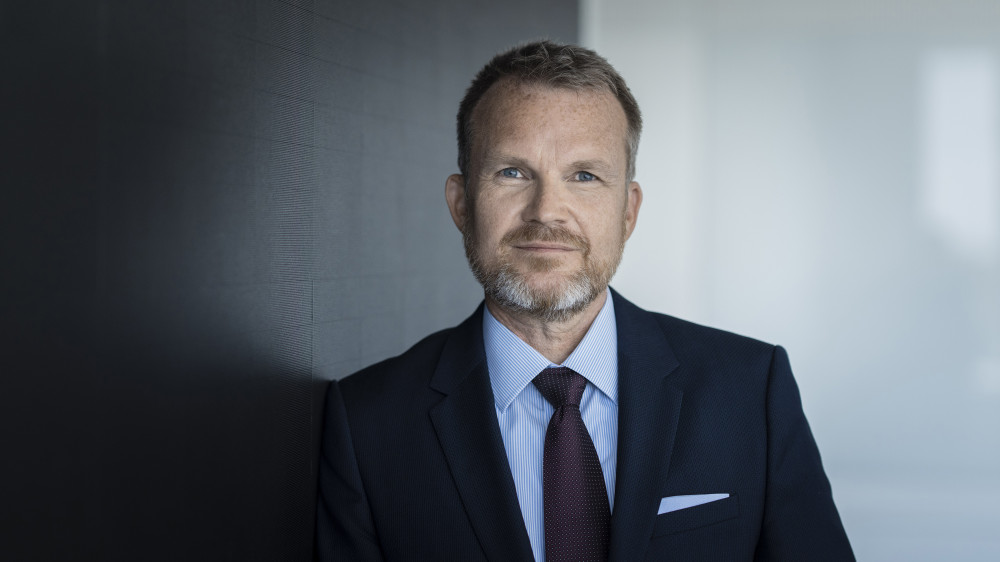
Health Insurance Premiums Set to Soar: A Warning from Germany's Top Insurer and What It Means for You
Imagine opening your next pay stub to find a significantly larger chunk taken out for health insurance. For millions in Germany, this may soon be a reality. Jens Baas, CEO of Techniker Krankenkasse (TK)—Germany's largest public health insurer—has issued a stark warning: statutory health insurance (GKV) premiums are headed for drastic increases, placing a heavy new burden on both employees and employers. This looming crisis stems from a massive funding shortfall and controversial government policies. But the implications extend beyond Germany's borders, reflecting universal challenges in balancing healthcare quality, access, and cost. Let's break down the warning signs and what they mean for the future of health coverage.
The Heart of the Crisis: A Multi-Billion Euro Funding Gap
According to Baas, Germany's public health insurers are steering toward a colossal financial hole. Estimates suggest a deficit between 17 and 23 billion euros for the coming year alone. The root cause? The GKV Stabilization Act, championed by Federal Health Minister Karl Lauterbach. Baas argues this law solved no fundamental problems but instead mandated that insurers drain their financial reserves to cover current expenses.
"These reserves are no longer available with a view to premium developments in the coming years," warns Baas, a trained physician. This depletion of safety nets means insurers have no buffer for unexpected cost spikes—like those experienced during the COVID-19 pandemic—potentially pushing some toward insolvency. AOK CEO Carola Reimann previously labeled the reserve drawdown a "real sin."
The Inevitable Outcome: Higher Premiums for the Public
With reserves gone and costs rising, Baas sees only one path forward if no other solutions emerge: significantly higher premium contributions. He poses a daunting question: "What if it's eventually 20 percent of income?"
Combined with contributions for pension, long-term care, and unemployment insurance, more than 40 cents of every euro earned could soon go toward social security payments. Baas criticizes the silent disappearance of the 40% ancillary wage cost target. He further warns that without planning security, insurers may be forced to adjust premiums multiple times a year, creating financial uncertainty for households and businesses.
Parallels to the US Healthcare Funding Debate
For American readers, this debate may sound familiar. Germany's GKV system, funded by wage-based premiums, faces strain similar to challenges confronting US Medicare and Medicaid. As populations age and medical technology advances, costs outpace dedicated funding sources. The debate over who should bear the cost—taxpayers, premium payers, or the state—mirrors discussions in the US about Medicare solvency and Medicaid expansion funding. The core question is universal: How do we sustainably finance quality healthcare for all?
Criticism of Private Insurers: A Call for Fairer Cost-Sharing
Baas extends his critique to Germany's private health insurance (PKV) sector. He argues that the costs for socially needy individuals, such as recipients of basic unemployment benefits (Arbeitslosengeld II, formerly Hartz-IV), fall disproportionately on public insurance contributors.
"It is absolutely unfair that the privately insured, as the highest earners, are not involved in this," states Baas. He contends that covering these groups is a state responsibility, but public insurers are reimbursed less than the actual average cost of care.
A federal ministry report suggests an additional 10 billion euros annually is needed to cover these costs. While private insurers argue they contribute significant tax money to the healthcare system and that many of their members (e.g., civil servants with civil service health benefits) are state-subsidized, the call for a more equitable burden-sharing model grows louder.
| Stakeholder | Current Role & Funding Pressure | Criticism & Proposed Change |
|---|---|---|
| Public Health Insurers (GKV) | Funded by wage-based premiums; Must cover all statutory members, including subsidized groups like unemployment benefit recipients. | Forced to use reserves for daily operations; Face massive deficits; Bear disproportionate cost for state responsibilities. |
| Private Health Insurers (PKV) | Funded by risk-based individual premiums; Cover higher earners, self-employed, civil servants. | Accused of not contributing fairly to costs of care for low-income, state-dependent populations. |
| The State / Government | Sets policy (e.g., GKV Stabilization Act); Reimburses insurers for certain groups. | Criticized for short-term fixes that drain reserves; Underfunding its share for subsidized populations. |
The Path Forward: Systemic Reform, Not Just Higher Premiums
Beyond financing, Baas advocates for radical hospital reform to control long-term costs. He proposes a three-tiered system:
- Basic care in rural areas.
- Specialized medicine in centers.
- Top-level university research.
He criticizes the current fragmented system where non-specialized hospitals perform complex procedures, potentially leading to worse outcomes. "If you have a prostate carcinoma and go to a small rural hospital, the probability of becoming incontinent or impotent is higher," Baas states bluntly, highlighting the link between quality and cost-efficiency.
Conclusion: A Crossroads for Health Insurance
The warning from TK's CEO is a canary in the coal mine for health systems worldwide. The twin pressures of rising medical costs and political short-termism threaten the stability of public health insurance. While immediate premium hikes seem inevitable, long-term solutions require tough choices: equitable financing across public and private sectors, serious structural reform of healthcare delivery, and sustainable government policies.
Whether you're insured through Germany's GKV, a private PKV plan, or are navigating US private insurance or Medicare, the underlying lesson is the same: the status quo is increasingly unsustainable. Informed debate and decisive action are needed to ensure accessible, high-quality healthcare for future generations without breaking the bank.