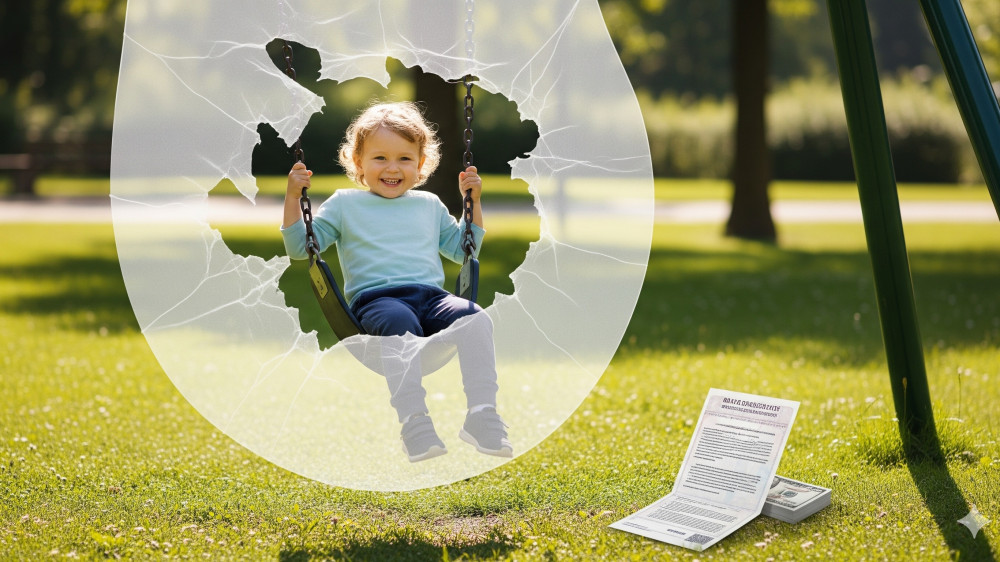
Protecting Your Child: The Critical Need for Private Accident and Disability Insurance
As a parent, your child's safety is your top priority. You might assume that standard coverage through school or your health insurance is sufficient if an accident occurs. This is a common and potentially costly misconception. In the United States, while schools may have limited liability coverage, there is no broad "statutory accident insurance" akin to Germany's GUV. Most serious childhood injuries happen during everyday activities—at home, on the playground, or while playing sports—precisely where typical health insurance may leave massive financial gaps. This article explains why child accident insurance and specialized child disability insurance are not optional extras but fundamental components of a responsible family financial plan.
The Stark Reality: Where Childhood Accidents Actually Happen
Statistics from organizations like the CDC and Safe Kids Worldwide paint a clear picture: accidents are a leading cause of injury and death for children. Crucially, the vast majority of these incidents occur outside of any school-related context.
- Falls at home (from furniture, stairs, or playground equipment).
- Sports and recreational injuries (soccer, biking, skateboarding).
- Motor vehicle accidents (as a passenger or pedestrian).
- Drowning, burns, and poisonings within the home.
Your health insurance will cover medical bills, but what about the long-term costs? These can include extensive physical therapy, home modifications for a disability, specialized equipment, lost parental income from caregiving, and future educational support needs. This is where dedicated insurance policies provide critical security.
Understanding Your Coverage Options: Accident vs. Child Disability Insurance
It's essential to understand the two primary types of coverage available to protect your child. They serve different, but often complementary, purposes.
| Type of Coverage | What It Covers | Key Benefits & Payout | Important Considerations |
|---|---|---|---|
| Child Accident Insurance | Injuries resulting from a sudden, unexpected event (e.g., broken bone, concussion, loss of limb). | Pays a lump-sum benefit based on a schedule ("schedule of losses") for specific injuries. Often includes benefits for emergency dental, ambulance, and rehabilitation expenses. | Affordable premium. Covers accidents only, not illnesses. The benefit amount is fixed per injury type. Look for policies with strong permanent total disability benefits. |
| Child Disability Insurance / Juvenile Life with Disability Rider | Loss of function or major disability due to either an accident OR a serious illness (e.g., cancer, severe asthma, neurological disorders). | Pays a monthly or lump-sum benefit if the child becomes permanently disabled, as defined by the policy. This is the more comprehensive solution. | More expensive but far broader. Truly protects against the leading causes of childhood disability, which are often illnesses. Can include a future purchase option allowing the child to buy more coverage as an adult. |
Why Relying Solely on Health Insurance is a Financial Risk
Your family health plan (whether through an employer, Medicaid, or the ACA marketplace) is designed for medical treatment. It does not provide cash to your family to manage the non-medical consequences of a severe injury or illness. Consider these potential out-of-pocket costs not covered by standard health insurance:
- Parental Income Loss: One parent may need to reduce hours or stop working to become a full-time caregiver.
- Home and Vehicle Modifications: Installing ramps, widening doorways, or purchasing an accessible van.
- Long-Term Therapy and Tutoring: Ongoing occupational, physical, or speech therapy, along with specialized educational support.
- Travel for Specialized Care: Costs for travel and lodging if the best treatment center is out-of-state.
A well-structured child safety net insurance policy provides tax-free cash directly to you, offering flexibility to use the funds where they are needed most during an unimaginably stressful time.
How to Choose the Right Protection for Your Family
When evaluating policies, focus on these key features:
- Coverage Trigger: Does it pay for accidents only, or for both accidents and illnesses? (The latter is vastly superior).
- Benefit Amount: For accident policies, ensure the lump-sum benefit for serious injuries (like paralysis) is substantial (e.g., $100,000+). For disability policies, the monthly benefit should be meaningful.
- Definition of Disability: Look for a policy that defines disability as the inability to perform age-appropriate activities of daily living, not just "any occupation."
- Future Insurability: A rider that guarantees your child the right to purchase a life insurance or disability insurance policy as an adult, regardless of health, is an invaluable long-term gift.
Conclusion: Protecting your child means planning for the unexpected. While we focus on health, wellness, and education, securing their financial future against the impact of a severe accident or illness is equally vital. Don't fall into the trap of believing existing coverage is enough. By understanding the limitations of standard health insurance and proactively securing a private child accident insurance or a comprehensive child disability policy, you create a crucial financial safety net. This ensures that if the worst happens, your family can focus entirely on recovery and care, not on overwhelming financial strain. It's one of the most profound acts of love and responsibility you can undertake as a parent.
Advertisement
Note: Policy terms, conditions, and availability vary by state and insurer. This article is for educational purposes. Consult with a licensed insurance agent or financial advisor to discuss specific products suitable for your family's needs.
Ready to explore your options? Compare Child Accident and Disability Insurance Quotes Here.