QBE Aims for 40% Female Leadership: How Diversity Shapes Better Insurance for You
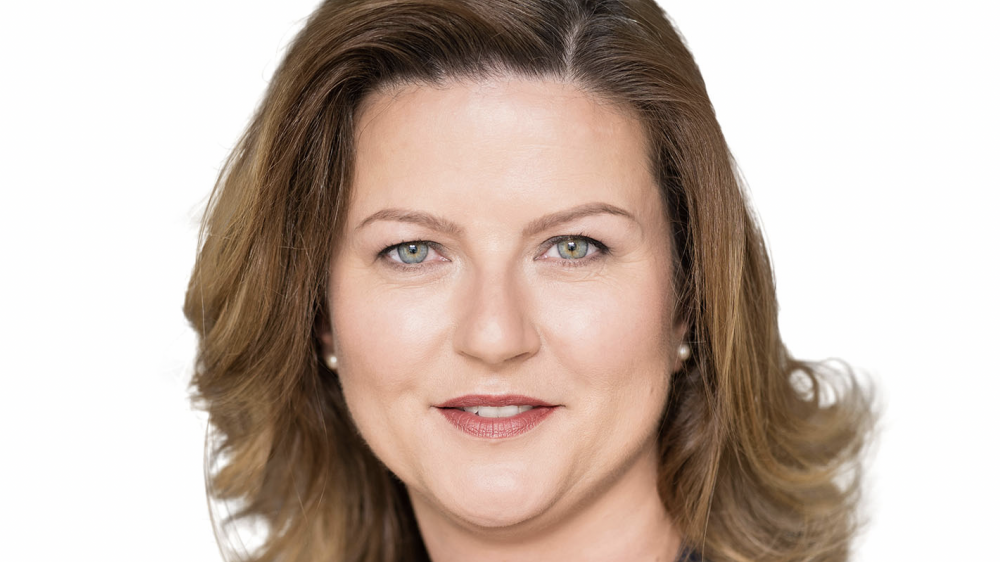
When you think about choosing an insurance provider, leadership diversity might not be the first factor that comes to mind. But it should be. Diverse leadership teams drive innovation, improve decision-making, and better understand the needs of a varied customer base. QBE, one of the world's leading industrial insurers, has set a bold goal: to fill 40% of its leadership positions with women by 2025. In an interview with Versicherungsbote, Andrea Brock, General Manager of QBE Germany and interim Executive Director for Continental Europe, sheds light on why this matters—not just for corporate equality, but for the quality of insurance services you receive. Whether you're exploring private health insurance (PKV) or commercial insurance in Germany, understanding these dynamics can inform your choices.
Why 40%? Setting Realistic and Ambitious Goals
Some might argue that 40% isn't full parity, but Brock emphasizes the importance of SMART goals. "We won't catch up with the past in just a few years," she notes, making this target both ambitious and pragmatic. For her, the focus isn't on "women power" but on achieving a healthy balance of perspectives, opinions, and ideas within organizational structures. This balanced approach can lead to more comprehensive risk assessments, customer-centric products, and resilient company cultures—all of which benefit policyholders.
The Gender Gap in German Insurance: A Root Cause Analysis
Statistics reveal a stark contrast: while women make up half of insurance employees in Germany, they hold only 8% of top executive roles at leading insurers, placing the country at the bottom internationally. Brock attributes this to a foundational issue: the industry hasn't built a robust pipeline of female talent in mid-level leadership (levels 1–4). Without a deep pool of qualified candidates, filling senior roles becomes challenging. She points out that gender diversity gains have slowed, with only a 3.6% increase in female representation at the top from 2016 to 2021. "We are a very specialized industry," Brock explains, "so we need people with expertise on boards. That's why we must make our industry and leadership positions more attractive to women."
Do Women Lead Differently? Debunking Stereotypes
Brock rejects the idea that women lead inherently differently but acknowledges they often prioritize distinct areas. For her, open communication across all company departments is crucial, ensuring employees understand the "big picture." She also stresses the importance of investing time to explain complex contexts—a practice that can enhance transparency for customers navigating intricate policies like life insurance or business liability coverage. Additionally, Brock highlights corporate culture as a key focus, noting that genuine culture-building requires sustained effort but ultimately makes companies more resilient—a trait policyholders value in their insurers.
Addressing Systemic Barriers: Family, Career, and the Gender Pay Gap
A recurring obstacle is the balance between family and career, with women still disproportionately handling childcare and eldercare. Brock identifies the gender pay gap as a central issue, intertwined with representation goals. In Germany's insurance sector, the gap widens to 21% for professionals with 6–10 years of experience. "How can we foster more female leaders," she asks, "when starting a family already creates a stark economic disparity?" This economic reality often influences career decisions, limiting the pipeline for future executives.
QBE's Action Plan: From Internal Goals to Industry-Wide Initiatives
Currently, QBE Germany's leadership team includes seven men and two women, reflecting the broader industry challenge. Brock admits that attracting female candidates remains difficult, even in underwriting and operations roles. To tackle this, QBE launched "FidI" (Frauen in der Industrieversicherung) in September 2022—a cross-company network focused on mentoring, nurturing young talent, and improving work-life integration. "These challenges can only be solved together as an industry," Brock asserts, emphasizing collaboration over competition.
| Challenge in Insurance Leadership | Impact on Policyholders | QBE's Strategic Response |
|---|---|---|
| Lack of Gender Diversity | Potential for less innovative products and overlooked customer segments. | 40% female leadership goal by 2025; emphasis on balanced perspectives. |
| Shallow Talent Pipeline | Risk of stagnant service quality and slower adaptation to market changes. | Investment in mid-level development and cross-company initiatives like FidI. |
| Gender Pay Gap & Work-Life Balance | Fewer female leaders may mean less focus on family-friendly policies or inclusive products. | Advocacy for pay equity and support for family-career integration. |
Why This Matters for Your Insurance Experience
Diverse leadership isn't just a corporate social responsibility metric—it directly influences your insurance journey. Companies with varied perspectives are better equipped to:
- Design Inclusive Products: Create policies that address the needs of diverse demographics, from single parents to small business owners.
- Enhance Customer Service: Foster cultures of empathy and communication, leading to more responsive support.
- Drive Innovation: Blend different insights to develop digital tools and solutions that simplify insurance management.
When evaluating insurers in Germany, consider their commitment to diversity as a proxy for adaptability and customer focus.
Beyond Leadership: Protecting Your Financial Future
While diversity initiatives progress, your personal financial security remains paramount. Reports consistently show that income protection against disability is a top risk, yet coverage gaps persist. Whether you're insured through PKV, GKV, or commercial policies, regular reviews with a trusted advisor can ensure adequate protection. Insurers like QBE, by fostering inclusive leadership, may be better positioned to offer comprehensive advice for these needs.
In summary, QBE's push for 40% female leadership by 2025 is more than a quota—it's a strategic move to build a more innovative, resilient, and customer-aware organization. For you as a policyholder or business owner, this commitment signals a forward-thinking approach that can translate into better products, service, and long-term stability in Germany's evolving insurance landscape.