Vanguard Q&A: Why Germany Remains a Key Market & How ETFs Fit Into Retirement Planning
Exchange-Traded Funds (ETFs) have revolutionized investing, offering low-cost, transparent access to global markets. But as their popularity soars, so do questions about their role in long-term retirement planning. Are they suitable for building a pension? How do providers address risks like sector concentration? And what does the future hold for the German ETF market?
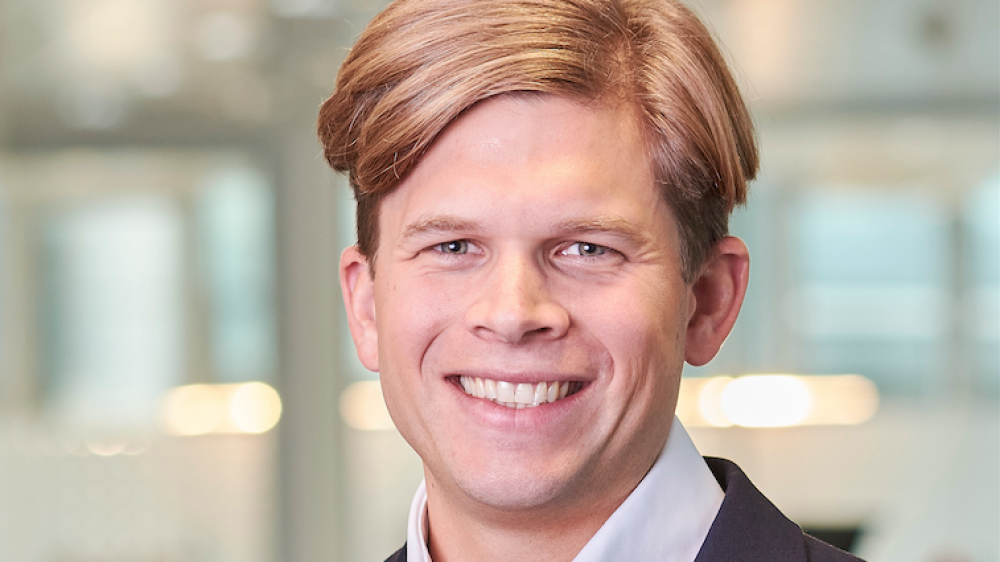
In an exclusive interview with Versicherungsbote, Moritz Schüßler, Head of Intermediated Retail Germany at Vanguard, provides expert insights. He explains Vanguard's strategy following its exit from the German direct-to-consumer market and underscores why "Germany remains a key market" for the global investment giant.
Q: There are discussions about ETF risk diversification, especially sector concentration in indices like the S&P 500. What empirical insights does Vanguard have, and how is broad diversification ensured?
Moritz Schüßler: Diversification is crucial, especially for long-term goals like retirement. A diversified portfolio across asset classes, sectors, and regions is a proven strategy to minimize specific risks. We advocate looking at holistic solutions like Multi-Asset ETFs, which offer transparent, cost-efficient access to global equity and bond markets in various weightings to match different risk profiles.
It's vital to understand that strategic asset allocation is the primary driver of long-term returns. Research shows it typically has a far greater impact on portfolio performance over time than stock selection or market timing. A strategic allocation not only increases long-term success chances but also ensures wealth remains consistently invested.
Q: Many broad-market ETFs have a heavy weighting in tech stocks. How does this sector concentration affect long-term retirement portfolio performance and risk? What are potential solutions?
Schüßler: A high weighting of technology stocks in market-cap-weighted indices like the S&P 500 is a natural reflection of those companies' growing market capitalization and importance in the global economy. It allows investors tracking such an index to participate in that growth. However, high concentration in any sector carries risk; a downturn would directly impact the ETF's performance.
For investors seeking to reduce this concentration, several diversification strategies exist:
- Global Diversification: ETFs tracking broad global indices (e.g., FTSE All-World) invest across sectors and regions, significantly reducing single-sector risk.
- Adding Bonds: Bond ETFs can dampen overall portfolio volatility and provide more stable returns.
- Including Small-Caps: Allocating to smaller companies can further diversify equity exposure.
A low-cost, broadly diversified approach aligned with personal goals and risk tolerance is key to long-term investment success.
Q: The ETF market is increasingly dominated by a few large providers. What impact does this concentration have on competition and costs for investors?
Schüßler: The growing ETF market is experiencing consolidation, which brings both opportunities and challenges. Vanguard leverages scale to pass cost savings directly to investors—a phenomenon known as the "Vanguard Effect," which has historically driven down investment costs in markets we enter. Competition remains crucial for innovation, product variety, and cost reduction.
What distinguishes Vanguard is our client-owned structure. As a non-listed company, our interests are aligned with our clients'. We continuously invest in technology and expand our product range to offer optimal solutions for long-term wealth accumulation.
Q: Critics argue market-cap-weighted ETFs create a "clump risk" by overweighting past winners. How does Vanguard ensure this doesn't become a risk for retirement products?
Schüßler: Market-cap-weighted ETFs reflect the market structure, where larger, successful companies naturally have higher weightings. To counteract potential concentration, Vanguard emphasizes comprehensive diversification as a core part of its strategy. Globally investing ETFs spread capital across numerous industries, countries, and companies to minimize concentration risk effectively.
Attempting to time investments into a single theme is risky. Historically, the best and worst trading days often cluster together during volatile periods, making market timing practically impossible for most investors.
Q: Vanguard exited the direct-to-consumer business in Germany but continues serving professional investors. What was the reason for this decision?
Schüßler: We realigned our German strategy to focus on collaboration with financial advisors and partnerships with direct banks and neobrokers. Retail investors can still access our products as self-directed investors or through their advisors. Our central goal remains offering German investors the best chance for investment success.
By expanding our distribution network and new platform partnerships, we aim to scale our offering. We also promote understanding of index funds and ETFs through targeted education, supported by our new "Vanguard 365 Portal," which provides advisors with comprehensive resources and training.
This decision underscores our long-term commitment to Germany. Despite exiting direct sales, Germany remains a key market, as evidenced by the continued strong net inflows from German investors into Vanguard ETFs.
Q: Given the growing importance of sustainable investing, how does Vanguard integrate ESG criteria into its ETFs, and how do these products impact retirement planning?
Schüßler: Vanguard offers a range of ETFs that consider ESG criteria. They are characterized by high transparency, using a revenue-based exclusion methodology and following clear rules. We also use All-Cap indices that include small-cap stocks to counteract potential lower diversification due to exclusions.
The impact on retirement planning depends on the individual strategy. ESG ETFs allow investors to align investments with personal values while mitigating risks associated with ESG factors. However, it's important to note they do not guarantee higher returns or lower losses. Investors should carefully consider how ESG approaches fit their long-term goals and personal retirement strategy.
Q: How do you assess the long-term development of the German ETF market, specifically in the retirement sector?
Schüßler: We are positive about the long-term development of the German ETF market, especially for retirement. Several factors support this: younger people are starting to save systematically earlier and show consistency even in difficult markets; the low costs of ETFs positively impact long-term returns, making them attractive for retirement; and the growing popularity of ETF savings plans underscores this trend, as do political initiatives like the upcoming pension reform.
We call this the "democratization of investing," as it enables broader access to capital markets. Growing ETF demand also diversifies distribution channels in financial advice, benefiting investors. Products like our LifeStrategy Multi-Asset ETFs, which cover various risk profiles and offer automatic rebalancing, support long-term wealth building. With increasing public awareness of the importance of private retirement provision, bolstered by state reforms, we expect ETFs to gain further significance in the German retirement sector, fostering a stronger equity and securities culture.
Insurers and brokers struggle in claims management with high backlogs, increasing claim frequencies, a shortage of skilled workers, and growing customer expectations. Manual processes are expensive and slow.