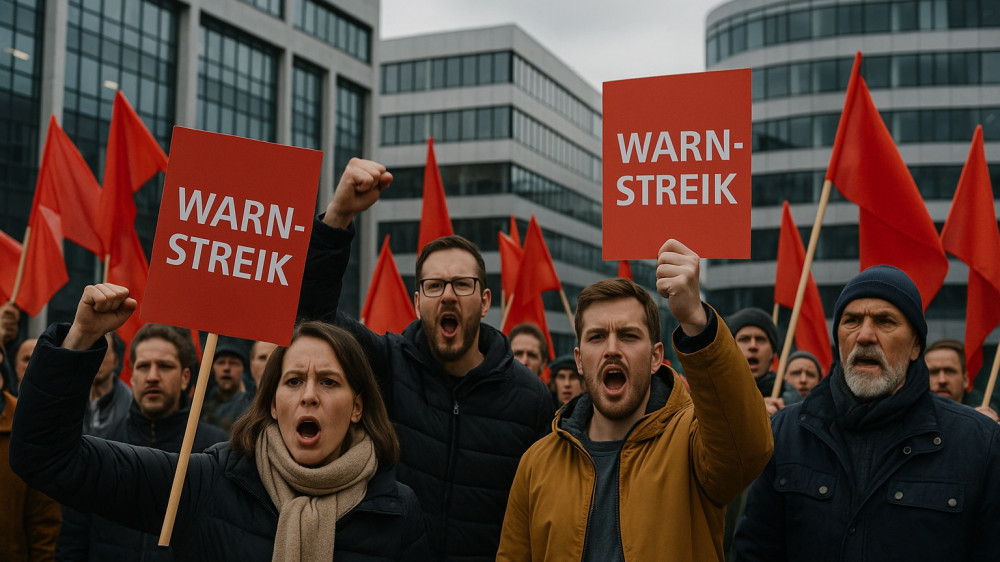
German Insurance Industry Labor Dispute: Potential Impacts on Your Coverage
If you hold a private health insurance (PKV) or statutory health insurance (GKV) policy in Germany, recent news of labor unrest within the insurance sector is worth your attention. The second round of collective bargaining between the service union ver.di and the German Insurance Employers' Association (AGV) has concluded without an agreement, setting the stage for a protracted dispute. This situation mirrors tensions sometimes seen in other systems, such as during negotiations affecting providers within the U.S. private health insurance or Medicare/Medicaid networks, where labor actions can indirectly influence administrative efficiency and customer service.
The core of the conflict lies in significantly differing proposals. The union, representing approximately 183,000 internal staff in the private insurance industry, is demanding a substantial 12% wage increase to be implemented within a 12-month period. This demand is a direct response to what they term an 8.1% loss in real wages due to inflation.
Key Union Demands Include:
- A 12% salary increase (including allowances) effective within 12 months.
- Addressing the claimed real wage loss of 8.1%.
- Improved conditions for junior staff and trainees.
- Rejection of long-term agreements that dilute annual increases.
In contrast, the employers' association has presented a counter-offer featuring a much longer contract duration of 35 months. They contest the union's calculation of real wage loss, arguing it fails to account for one-time payments and inflation compensation premiums already provided. From an American perspective, this dynamic is akin to negotiations between hospital networks or large insurance administrators and their employee unions, where the outcome can affect operational costs and, ultimately, service delivery.
Employers' Initial Offer Summary:
- A total proposed wage increase of 8.63% over 35 months.
- An increase of 3.6% in the first year.
- Two one-time payments of 1,500 euros each (in 2025 and 2026).
- Extension of the collective agreement term to 35 months.
Union negotiators have strongly rejected this offer. Martina Grundler, the lead ver.di negotiator, called it "disappointing" and evidence of a "lack of appreciation," especially given record profits in the insurance sector. She emphasized that the offer does not compensate for inflationary losses. The union has announced plans for warning strikes at various locations in the coming days, following earlier actions that demonstrated strong member support.
What This Means for Policyholders Like You
While the direct impact on your insurance policy terms or premiums is not immediate, labor disputes can have secondary effects. Warning strikes may lead to:
| Potential Impact Area | Description for Policyholders |
|---|---|
| Customer Service Delays | Processing claims, policy changes, or customer inquiries might experience slower turnaround times during strike actions. |
| Administrative Backlogs | Similar to disruptions in U.S. insurance claims processing during system outages, strikes can create temporary backlogs. |
| Long-term Industry Stability | Prolonged disputes can affect employee morale and retention, potentially impacting the quality and consistency of service over time, a concern for both German PKV/GKV and American private/Medicare plans. |
| Future Premium Pressures | While not directly linked, significant wage settlements are one of many cost factors that insurers consider in their long-term financial modeling. |
For expatriates or international clients comparing systems, it's useful to note that the German PKV (private insurance) is often compared to comprehensive U.S. private health plans, while the GKV (statutory insurance) shares some philosophical similarities with a broader, mandatory pool like a combination of certain Medicare and Medicaid structures, albeit with different funding mechanisms.
Looking Ahead: Next Steps and Your Financial Security
The negotiations are scheduled to resume on May 23, 2025, in Düsseldorf. The outcome remains uncertain. As a policyholder, staying informed is key. This situation also underscores the broader importance of financial resilience and comprehensive risk protection.
Regardless of industry labor dynamics, ensuring your personal safety net is robust is crucial. For instance, as highlighted in other analyses, income protection through disability insurance remains a critical, yet often overlooked, component of financial planning. A disability insurance policy can safeguard your livelihood if you are unable to work due to illness or injury, providing stability independent of external factors like sector-specific labor disputes.
In conclusion, while the union and employers navigate their differences, your focus should remain on securing reliable coverage and building a financially independent future. Review your current health insurance and income protection plans regularly to ensure they align with your needs, especially in a changing economic landscape.