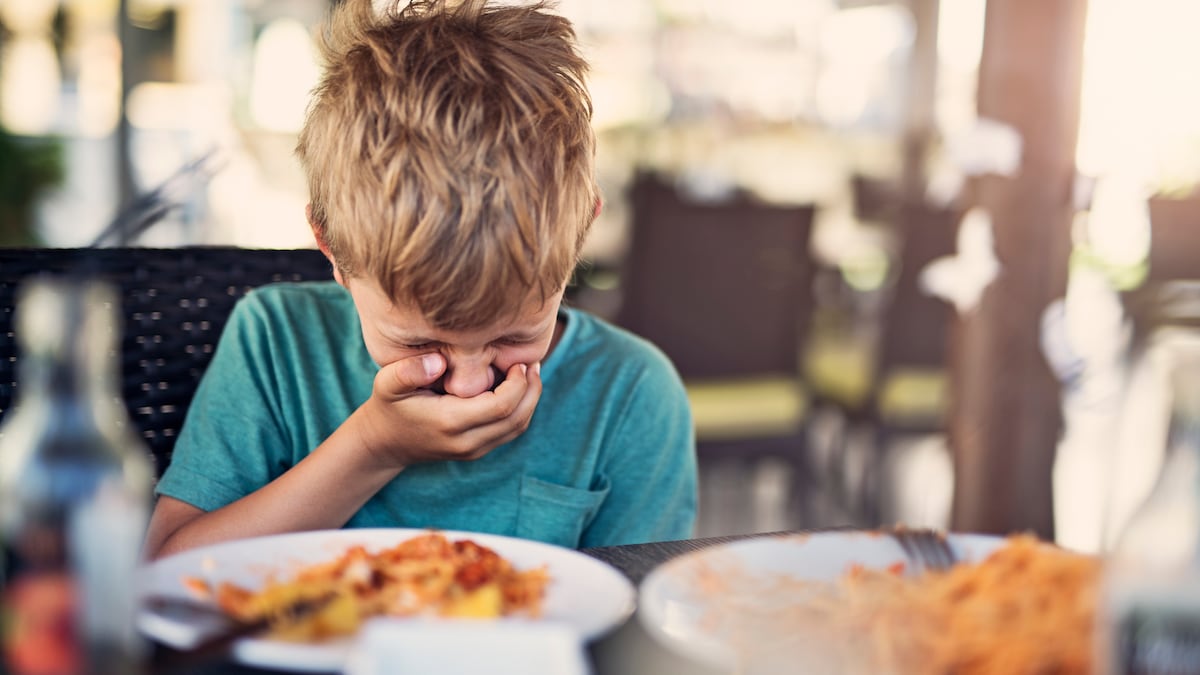
Food Poisoning Risk Abroad: The Countries Where You Need to Be Extra Careful
For many, vacation is a time for relaxation and culinary exploration. However, indulging in local cuisine can come with a hidden risk: food poisoning. Caused by invisible bacteria, viruses, parasites, or toxins, foodborne illness can range from a few unpleasant days to a life-threatening situation, as tragically highlighted by recent incidents involving travelers. Your choice of destination plays a significant role in this risk. Based on data analysis from travel forums and health advisories, this guide identifies the countries with the highest reported rates of traveler's sickness and provides actionable strategies to protect yourself, ensuring your memories are of great food, not a bad stomach.
Understanding the Risk: The Holiday Sickness Index
To quantify the risk, Forbes Advisor compiled the "Holiday Sickness Index 2023." Researchers analyzed 2.4 million travel forum posts, searching for keywords like "salmonella," "gastroenteritis," "E. coli," and "food poisoning." This data was combined with factors like recommended vaccinations, malaria risk, and warnings against drinking tap water to create a risk score for popular destinations. The result is a clear picture of where travelers most frequently report falling ill.
Global High-Risk Destinations for Foodborne Illness
The analysis identified clear global hotspots. Travelers to these regions should exercise heightened caution with food and water hygiene.
| Rank (Global) | Country/Destination | Key Risk Factors & Notes |
|---|---|---|
| 1 | India | Frequently tops lists for traveler's diarrhea. High risk from street food, untreated water, and raw produce. Comprehensive pre-travel health advice is crucial. |
| 2 | Thailand | Despite its popularity, reports of gastroenteritis are common, often linked to street food hygiene and ice in drinks. |
| 3 | Mexico | "Montezuma's Revenge" is infamous here. Risks are associated with salsas, raw vegetables, and tap water, even in resorts. |
| 4 | Peru | High incidence of traveler's sickness, particularly in regions outside major tourist circuits. Caution with ceviche (raw fish) and local water is essential. |
| 5 | Dominican Republic | All-inclusive resorts see many reports of illness, potentially from buffets, contaminated water, or undercooked food. |
Higher-Risk Destinations Within Europe
While generally safer, some European destinations still show a higher relative frequency of reported illness among travelers.
| Rank (Europe) | Country | Considerations |
|---|---|---|
| 1 | Turkey | Leads European reports. Incidents can occur from undercooked meat, unpasteurized dairy, or salads washed in tap water. |
| 2 | Egypt | High risk, especially outside resort enclaves. Strict adherence to "cook it, boil it, peel it, or forget it" is advised. |
| 3 | Spain | Reports often linked to all-inclusive hotel buffets or specific coastal areas. Generally lower risk than non-European destinations. |
Most Common Culprits and Symptoms
The forum analysis revealed the most frequently reported illnesses:
- Gastroenteritis: The broad term for stomach flu, causing vomiting, diarrhea, and cramps.
- Salmonella: Often from undercooked poultry, eggs, or contaminated produce.
- E. Coli infections: Can come from undercooked ground beef, raw milk, or contaminated water.
- General Food Poisoning: From pre-formed toxins in food (e.g., from Staphylococcus aureus).
Your Essential Food Safety Guide for Travel
Knowledge is your best defense. Follow these rules, endorsed by health authorities like Germany's Federal Foreign Office, to drastically reduce your risk:
The Golden Rule: Boil it, Cook it, Peel it, or Forget it.
- Water Safety: Drink only bottled or purified water. Avoid ice cubes unless you're sure they're made from safe water. Use bottled water for brushing teeth.
- Food Temperature: Eat only foods that are served piping hot and thoroughly cooked. Avoid lukewarm buffets where food sits out.
- Raw is Risky: Steer clear of raw or undercooked meat, seafood (like oysters), and eggs.
- Fruits & Vegetables: Only eat fruits you can peel yourself (bananas, oranges). Avoid pre-cut fruit salads, salads, and uncooked vegetables.
- Dairy: Consume only pasteurized milk and dairy products. Avoid artisanal cheeses or ice cream from unreliable sources.
- Street Food: Be selective. Choose stalls with high turnover where food is cooked fresh in front of you. Observe general cleanliness.
- Hand Hygiene: Wash your hands frequently with soap and water, especially before eating. Carry alcohol-based hand sanitizer as a backup.
Pre-Travel Preparation: Be Proactive
Before you go:
- Check Travel Health Advisories: Visit your country's foreign office website (e.g., Auswärtiges Amt for Germans, CDC for Americans) for destination-specific health advice.
- Consider Travel Insurance: Ensure your policy covers medical evacuation. For high-risk trips, consider insurance that includes trip interruption due to illness.
- Pack a Health Kit: Include oral rehydration salts, anti-diarrheal medication (like loperamide), a probiotic, and a broad-spectrum antibiotic (if prescribed by a travel medicine doctor).
By choosing your foods wisely and following these hygiene principles, you can significantly lower your chances of getting sick. This allows you to fully immerse yourself in the joys of travel, savoring new experiences without the fear of food poisoning derailing your adventure.