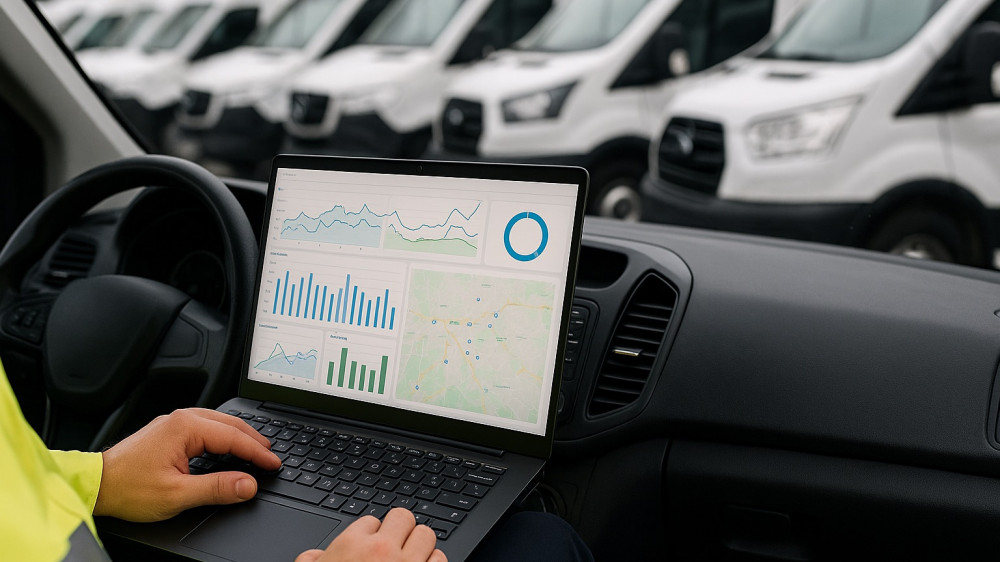
AI Dashcams & Data: How Telematics is Transforming Commercial Fleet Insurance
For commercial fleet operators, rising accident rates, dense traffic, and economic pressures are constant threats. The traditional model of insurance—reacting to claims after they happen—is no longer sufficient. A new paradigm is emerging where insurers leverage real-time data and AI to become strategic risk prevention partners. In a discussion with Anja Ludwig of KRAVAG and Gianluca Delle Donne of Samsara, we explore how telematics, AI dashcams, and data flows are fundamentally changing commercial vehicle insurance from a cost center into a tool for safety and profitability.
From Reactive Payouts to Proactive Prevention
The core shift is moving from a historical, claims-based view of risk to a dynamic, data-driven one. "We no longer see ourselves just as risk carriers; we see ourselves as partners to our customers," states Anja Ludwig, Head of the Road Freight Transport & Logistics Competence Center at KRAVAG. This partnership is built on shared data, with the customer's consent, that provides unprecedented visibility into fleet operations.
"AI dashcams and telematics make it possible to identify risk factors like driver distraction, speeding, or inefficient routes—not after the fact, but in real-time," explains Gianluca Delle Donne, Insurance Partner Manager DACH at Samsara. This real-time analysis is the key to proactive intervention.
How It Works: The Technology Behind the Transformation
The system integrates several technologies:
- AI-Powered Dashcams: These devices don't just record video; they analyze it instantly using computer vision. They can detect risky behaviors like distracted driving (phone use), following too closely, harsh braking, or lane departures.
- Telematics & GPS: Track vehicle location, speed, idling time, and routing efficiency.
- Integrated Platform: Data streams into a central dashboard where fleet managers receive instant alerts and detailed reports on driver performance and vehicle health.
"Flottenmanager erhalten Hinweise, können reagieren, schulen oder Prozesse anpassen. Es ist also gleichzeitig eine Sicherheitsmaßnahme und auch ein ökonomischer Hebel," says Delle Donne. ("Fleet managers receive alerts, can react, provide training, or adjust processes. It's both a safety measure and an economic lever.")
The Tangible Benefits: Safety, Savings, and Strategic Advantage
The impact of this data-driven approach is measurable across multiple fronts.
| Benefit Area | How Data & AI Enable It | Real-World Impact |
|---|---|---|
| Accident Reduction & Safety | Real-time alerts on risky behavior enable immediate coaching. Historical data identifies high-risk drivers/routes for targeted training. | Case Study (Dinges Logistics): 42% reduction in accident rate within one year using Samsara's platform. |
| Lower Insurance Premiums | Insurers can offer dynamic, usage-based insurance (UBI) models. Proven safety improvements lead to better risk profiles and negotiated discounts. | Fairer, personalized pricing based on actual driving behavior, not just industry averages. |
| Operational Efficiency | Reduced idle time, optimized routing, predictive maintenance alerts based on vehicle diagnostics. | Lower fuel consumption, reduced wear-and-tear, fewer unplanned vehicle breakdowns. |
| Faster, Fairer Claims Processing | Dashcam footage provides objective evidence of fault, speeding up liability determination and combating fraudulent claims. | Reduced administrative costs for insurers and less downtime for fleets. |
The economic effects extend far beyond insurance. "Die Plattform steigert die Rentabilität durch reduzierte Leerlaufzeiten, geringeren Verschleiß und präventive Wartung," notes Delle Donne. ("The platform increases profitability through reduced idle times, lower wear and tear, and preventive maintenance.")
The Insurer's New Role: Data-Driven Risk Partner
This evolution demands a new mindset from insurers. "We are developing our risk management from a retrospective to a forward-looking, data-driven strategy," says Ludwig. Instead of relying solely on historical loss ratios, insurers can build dynamic risk profiles. They can work with clients to identify specific vulnerabilities and co-create safety programs, transforming the relationship from transactional to collaborative.
This also optimizes margins. "Unfallursachen und deren Verantwortliche lassen sich schneller und präziser ermitteln, Schadenprozesse werden schlanker gestaltet," Ludwig adds. ("Accident causes and those responsible can be identified faster and more precisely, claims processes become leaner.")
The Future: An Integrated Ecosystem of Safety
The future of commercial fleet insurance lies in deeper integration and partnership. "We are at the beginning of a development where digitization and partnership must be thought together even more strongly," predicts Ludwig. Insurers must continuously integrate technological innovations.
"The technical possibilities are there," concludes Delle Donne. "Now it's about cooperation, trust, and common standards. Only then can the full potential be realized—for fleets, insurers, and not least for greater safety on the roads."
For fleet operators, the message is clear: investing in telematics and AI safety technology is no longer just an operational upgrade. It's a strategic move that directly influences insurance costs, operational bottom lines, and most importantly, the safety of your drivers and the public.
This analysis is based on an interview with Anja Ludwig (KRAVAG) and Gianluca Delle Donne (Samsara). The integration of telematics data into insurance models is an evolving field, and specific premium impacts will vary by insurer and fleet profile.