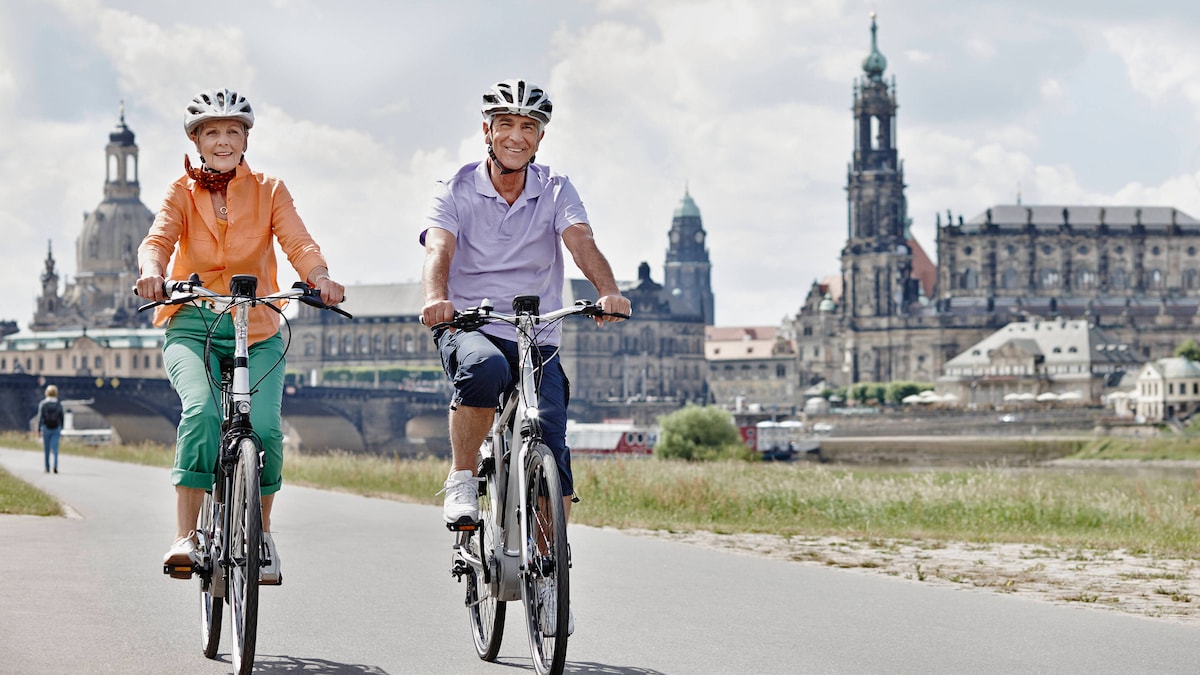
E-Bike Safety Guide: Essential Insurance, Gear, and Maintenance Tips
E-bikes are revolutionizing personal transport, offering a powerful blend of exercise, convenience, and eco-friendly commuting. However, their increased speed and weight demand a new approach to safety. Understanding the legal requirements, securing the right insurance, and adopting proper riding habits are essential for protecting yourself and others. This comprehensive guide covers everything you need to know to ride your e-bike safely and with confidence, from mandatory coverage to essential pre-ride checks.
Know Your E-Bike: Legal Classifications and Requirements
Your safety and legal obligations start with understanding what type of e-bike you own. The key distinction lies in motor power and maximum assisted speed.
| Type / Common Name | Max Assisted Speed | Motor Power | Legal Classification | Mandatory Requirements |
|---|---|---|---|---|
| Pedelec (Standard E-Bike) | 25 km/h (15.5 mph) | Up to 250W | Bicycle | None. No license, insurance, or helmet required by law (strongly recommended). |
| S-Pedelec (Speed Pedelec) | 45 km/h (28 mph) | Up to 500W | Moped / Low-Powered Vehicle | Moped License, Liability Insurance with License Plate, Approved Helmet. Bike paths are prohibited. |
Critical Insight: Most e-bikes sold are standard Pedelecs. However, if you own an S-Pedelec, failing to meet the stricter requirements can result in fines, invalidated insurance, and serious liability in an accident.
Essential E-Bike Insurance: Protecting Your Investment and Yourself
While liability insurance is only legally mandatory for S-Pedelecs, it is highly recommended for all e-bike riders. The potential costs from causing an accident can be financially devastating.
- Personal Liability Insurance (Privathaftpflicht): This is your most important policy. It covers damages and injuries you cause to others while riding. Ensure your existing policy includes coverage for e-bike use (most do for standard Pedelecs). S-Pedelec riders need a separate Kfz-Haftpflicht (vehicle liability) policy.
- E-Bike/Theft Insurance: Your homeowner's or renter's insurance may cover theft from your home, but often excludes theft from public places. A dedicated e-bike insurance (Fahrradversicherung) policy typically covers:
- Theft anywhere (with a certified lock).
- Accidental damage (e.g., crash, vandalism).
- Electrical system failure (motor, battery, controller).
- Liability coverage extensions.
- Personal Accident Insurance (Private Unfallversicherung): Statutory accident insurance only covers commuting accidents. A private policy provides crucial financial support for medical costs, disability, or rehabilitation after any leisure-time e-bike accident.
Non-Negotiable Safety Gear: Your First Line of Defense
- Helmet: This is non-negotiable. The higher speeds of e-bikes increase the risk and severity of head injuries. Always wear a certified bicycle helmet; for S-Pedelecs, a moped-class helmet is legally required.
- High-Visibility Clothing & Lights: Ride with lights on day and night. Wear reflective vests or clothing to ensure you are seen by drivers, who often misjudge e-bike speeds.
- Quality Lock: Use a high-security, hardened steel U-lock or chain lock (rated Sold Secure Gold or above) to deter theft. Consider a GPS tracker for recovery.
Pre-Ride Safety Check and Riding Techniques
E-bikes are heavier and have longer braking distances. Adopt these habits:
Before Every Ride (The ABC Quick Check):
- A) Air: Check tire pressure. Higher weight demands correct inflation for control and puncture resistance.
- B) Brakes: Test both front and rear brakes. Ensure they engage smoothly and powerfully.
- C) Chain & Controls: Check the chain is clean and lubricated. Ensure the motor assist levels, display, and lights function correctly.
Smart Riding Practices:
- Anticipate Braking: Start braking earlier than on a regular bike. Practice emergency stops in a safe area.
- Control Your Speed: Use lower assist levels in traffic, crowded paths, or wet conditions to maintain better control.
- Be Predictable: Signal turns clearly, avoid sudden movements, and make eye contact with drivers at intersections.
- Secure Transport: If using a car rack, verify its maximum weight capacity can handle your heavier e-bike(s).
Conclusion: Ride Smart, Ride Safe, Ride Insured
E-biking is a fantastic way to get around, but it comes with greater responsibility. By understanding the legal landscape, securing comprehensive e-bike insurance coverage, investing in proper safety gear like a helmet, and performing regular maintenance checks, you transform risk into reassurance. Don't let an accident or theft turn your valuable investment into a loss. Prioritize safety and protection so you can fully enjoy the freedom, fun, and fitness that your e-bike offers.