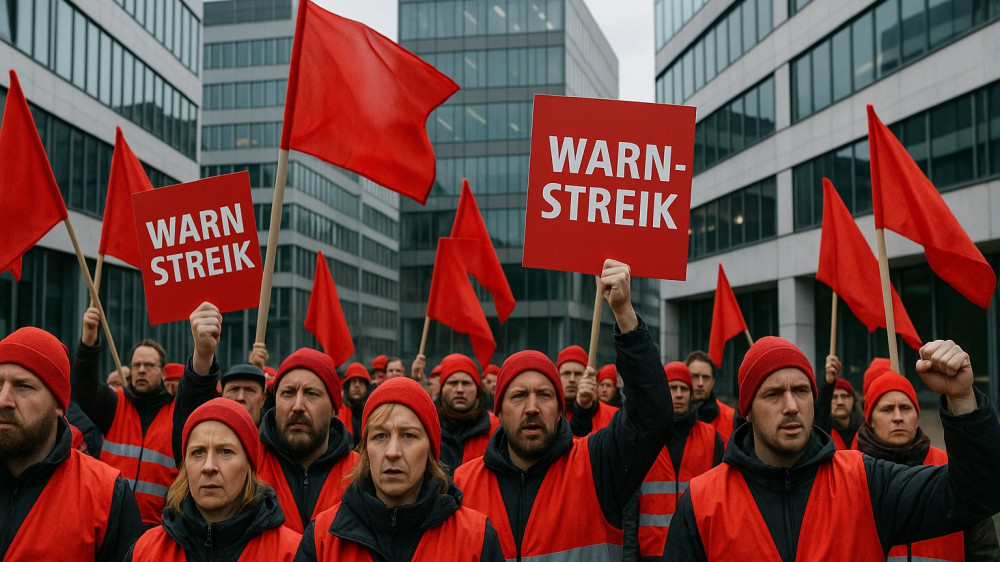
Insurance Sector in Strike Mode: Nationwide Walkouts Escalate Wage Dispute
The German private insurance industry is facing significant disruption as a major wage dispute has escalated into nationwide strike action. Following the collapse of a third round of collective bargaining talks, the United Services Union (ver.di) has called for a coordinated insurance industry strike, affecting key cities across the country. The union, representing approximately 180,000 insurance employees, is demanding a substantial wage increase of 12% over a shorter contract period, arguing that the sector's strong profitability must be shared with its workforce. Employers, represented by the AGV, have made a revised offer, but it has been rejected as insufficient. With a critical fourth negotiation round scheduled, this guide breaks down the core issues, the strike's impact, and what it means for the future of labor relations in the insurance sector.
The Heart of the Dispute: Union Demands vs. Employer Offers
The conflict centers on fair compensation in a profitable industry. ver.di argues that years of inflation and the sector's robust financial health necessitate a significant raise to prevent real wage losses.
| Party | Core Demand / Offer | Key Rationale | Status |
|---|---|---|---|
| ver.di Union | 12% wage increase over a shortened contract period. | To compensate for inflation, ensure real wage growth, and provide a "fair share" of the industry's high profits and margins. | Initial demand; basis for strike action after rejected offers. |
| AGV (Employers) - Initial Offer | 3.6% increase from Sept 2025, plus later stages. Total: 8.63% over 35 months. | Presented as a responsible offer considering economic conditions. | Rejected by union as inadequate. |
| AGV (Employers) - Revised Offer (Round 3) | 4.8% from Aug 2025 + 3.3% from Sep 2026. Total: 8.29% over 28 months. | A concession: higher initial raise but shorter term and lower total sum than initial offer. | Rejected. Union calls it "still insufficient" and leading to real wage loss. |
The union has sharply criticized the latest offer, labeling the prospect of real wage losses as "highly embarrassing" for a trust-based industry.
Strike Action: Scope, Impact, and Targeted Cities
To increase pressure, ver.di organized a central national strike day on June 26, 2025. Walkouts and demonstrations were planned in major insurance and financial hubs, disrupting operations at leading insurers. The targeted cities include:
- Kiel, Hamburg, Berlin, Hannover (Northern & Eastern Germany)
- Cologne, Düsseldorf, Frankfurt (Key financial centers in Western Germany)
- Stuttgart, Munich (Major hubs in Southern Germany)
These strikes aimed to disrupt core functions like customer service, claims processing, underwriting support, and IT operations. The widespread participation was intended to send a clear message to employer negotiators ahead of the crucial next meeting.
Analysis: Why This Strike is Significant for the Insurance Industry
This labor action is notable for several reasons, reflecting broader trends in the German economy and the insurance sector specifically:
- Scale of Mobilization: A nationwide, coordinated strike in the traditionally stable insurance sector is a significant escalation, indicating deep-seated employee frustration.
- Focus on Profitability: The union's rhetoric directly ties its demands to the industry's financial success, challenging the narrative that wage restraint is necessary.
- Battle Against Inflation: This is a classic "cost-of-living" strike, with workers seeking increases that outpace inflation to maintain their standard of living.
- Test of Strength: The outcome will set a precedent for wage settlements in other financial services and professional service sectors.
What Comes Next? The Path to Resolution
All parties are now looking toward the fourth negotiation round scheduled for July 4, 2025. This meeting will occur under the heightened pressure of the recent strikes. Potential outcomes include:
- A Breakthrough Agreement: Employers may improve their offer, potentially by increasing the total percentage, adding a one-time inflation adjustment payment, or making concessions on other non-wage benefits.
- Further Escalation: If the July 4 talks fail, ver.di has threatened to intensify industrial action, which could mean longer, indefinite, or more frequent strikes.
- Arbitration: Both sides could agree to involve a neutral mediator to propose a compromise solution.
For insurance customers, prolonged strikes could lead to delays in policy servicing and claims. For the industry itself, a protracted conflict risks damaging its reputation for stability and could exacerbate existing challenges in recruiting and retaining skilled talent. A fair and timely resolution is essential to restore normal operations and maintain the sector's role as a pillar of the German economy.