TV Expert Cease & Desist: When Does Financial Journalism Cross Into Unlicensed Insurance Advice?
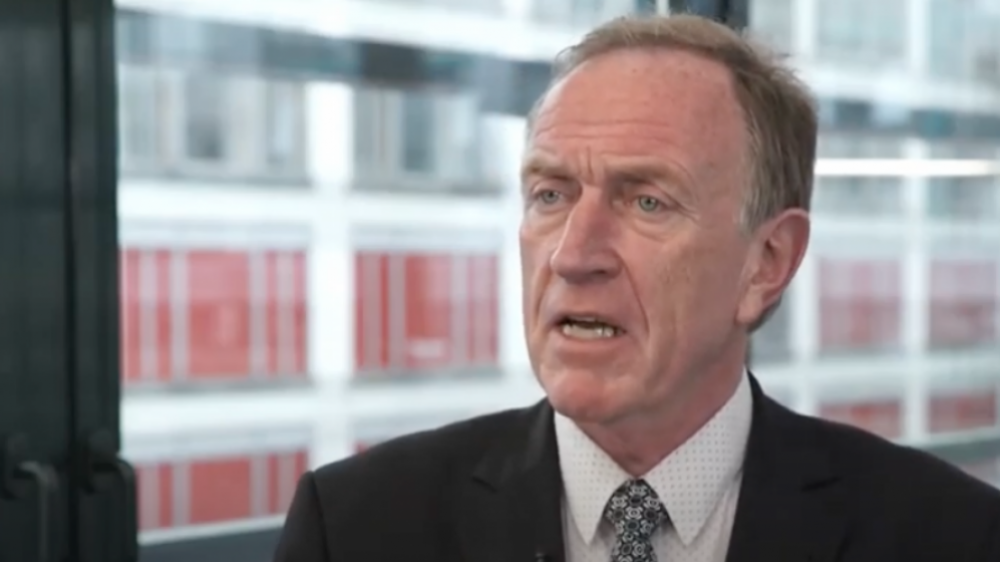
A recent legal warning sent to a prominent German TV financial expert has ignited a crucial debate: where does journalistic freedom and consumer education end, and where does the legally regulated activity of insurance advice begin? The case centers on Ron Perduss, an expert featured on RTL's 'Stern-TV Spezial,' who has been issued a formal cease-and-desist letter for allegedly providing specific insurance recommendations without holding the required German license.
The letter, sent by the law firm Nordemann Czychowski & Partner on behalf of Michael H. Heinz—President of the Federal Association of German Insurance Brokers (BVK) and a licensed insurance broker himself—demands that Perduss refrain from "advising consumers on the agreement, modification, or review of insurance contracts." This case serves as a critical reminder for consumers about the importance of seeking guidance from properly qualified and regulated professionals.
The Core of the Legal Dispute: Licensing vs. Commentary
In Germany, providing specific advice on insurance products is a regulated activity under § 34d of the Trade Regulation Act (Gewerbeordnung). Individuals must obtain official authorization as either a Versicherungsvermittler (insurance intermediary) or a Versicherungsberater (independent insurance advisor) to legally offer such advice for compensation.
The central allegation against Ron Perduss is that during a November 2023 television segment, he crossed the line from general financial commentary into providing concrete, product-specific advice. Reportedly, he counseled a family on their existing insurance contracts, including recommending the cancellation of a specific legal expenses insurance (Rechtsschutzversicherung) policy. As he does not hold the requisite § 34d license, this action is claimed to constitute the illegal provision of insurance advice.
Why This Distinction Matters for Your Financial Safety
For consumers, this legal boundary exists for a vital reason: consumer protection. Licensed insurance advisors and brokers have fiduciary duties, mandatory professional liability insurance (Vermögensschadenhaftpflichtversicherung), and are subject to ongoing supervision. They are legally obligated to act in your best interest, conduct a proper needs analysis, and provide transparent documentation of their recommendations.
When receiving advice from an unlicensed source—even a well-known media personality—you lack these fundamental protections. You bear the full risk if the advice is unsuitable, leads to a coverage gap, or results in financial loss. This case underscores why it is essential to verify the credentials of anyone offering specific guidance on your personal insurance portfolio.
Comparison for U.S. Readers: FINRA Rules vs. Media Personalities
For American readers, the German regulatory framework for insurance advice is analogous to the rules governing investment advice in the United States. In the U.S., individuals providing specific investment recommendations for compensation must be licensed and registered with FINRA (Financial Industry Regulatory Authority) and/or the SEC. A journalist or TV host discussing general market trends is exercising free speech. However, if they start recommending that viewers "sell Stock X and buy Fund Y," they could be crossing into unregistered and illegal investment advisory territory, similar to the allegations in this German insurance case. The principle is the same: specific, personalized financial guidance is a regulated activity designed to protect the public.
Key Takeaways from the Legal Warning
| Aspect | Detail / Implication |
|---|---|
| Person Involved | Ron Perduss, Financial Journalist & TV Expert |
| Alleged Violation | Providing specific insurance contract advice without a § 34d GewO license. |
| Specific Instance | Advising a TV family to cancel a legal expenses insurance policy. |
| Legal Action | Cease-and-desist letter from a law firm representing BVK President Michael Heinz. |
| Core Issue for Consumers | Highlights the risk of taking specific insurance advice from unlicensed sources. |
How to Protect Yourself: Seeking Qualified Insurance Advice
To ensure you are receiving legitimate and protected advice, follow these steps:
- Verify Credentials: Always ask if the person is a licensed insurance broker (Versicherungsmakler) or independent insurance advisor (Versicherungsberater). You can request their registration number.
- Understand the Mandate: A licensed professional must provide you with a clear mandate document (Auftrag) outlining their services, compensation, and duties.
- Look for Liability Insurance: Ensure they have professional liability coverage, which is a legal requirement and protects you against advisory errors.
- Value General Education vs. Specific Advice: It's fine to consume media content for general financial literacy. However, for decisions about your specific policies—canceling, modifying, or purchasing—always consult a properly licensed expert who will analyze your personal situation.
Conclusion: Navigating Financial Information Safely
The cease-and-desist letter to the Stern-TV expert is more than a personal legal matter; it's a public service reminder. In an era of abundant financial content, discerning between general educational commentary and regulated personal advice is a critical skill for every consumer. While journalists and media experts play a valuable role in raising awareness, your personal insurance and financial decisions are too important to base on unlicensed recommendations. Protect your financial future by always turning to authorized, accountable professionals for tailored advice.
Disclaimer: This article is for informational purposes only and does not constitute legal advice. The details of the specific case are based on public reports. For guidance on insurance matters, consult a qualified and licensed insurance advisor or broker.