Beyond Rainbow Logos: How True Diversity in Insurance Drives Talent and Innovation
You might think diversity in the corporate world is about colorful logos during Pride Month. But for forward-thinking insurance leaders, it's a powerful, data-driven strategy for survival and growth. Just as you carefully compare private health insurance plans against Medicare options to find the best coverage, top insurers are meticulously building diverse teams to secure the best talent and ideas. In an industry facing a critical talent shortage, a genuine commitment to Diversity, Equity, and Inclusion (DEI) is no longer optional—it's a core business imperative.
Why Diversity is Your Insurer's Secret Weapon for Talent Acquisition
Think about the last time you shopped for insurance. You likely sought a provider that understood your unique needs. The same principle applies to the job market. Top professionals seek employers where they feel seen and valued. For the insurance sector, which competes with flashier tech and finance firms for skilled workers, a robust DEI framework is a key differentiator. It signals a modern, empathetic, and innovative workplace culture.
This challenge is universal. In Germany, major insurers like Versicherungskammer grapple with attracting specialists. Similarly, in the U.S., both private health insurance carriers and administrators of Medicare Advantage plans face the same war for talent. The solution isn't just posting jobs; it's about fundamentally rethinking how to attract a wider, more qualified pool of candidates.
Moving Beyond Performative Actions to Measurable Strategies
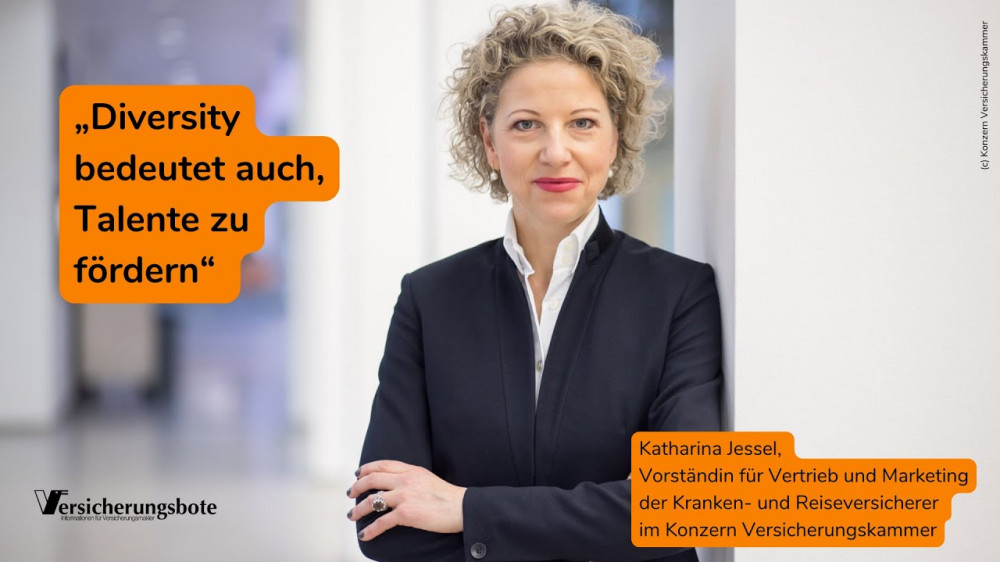
So, how do you build a diversity program that actually works? It requires moving past performative gestures. Successful initiatives are structured, intentional, and measurable. Leaders like Katharina Jessel, a board member for sales and marketing, emphasize that real change comes from programs that foster genuine connection and reverse traditional hierarchies.
Here are two powerful approaches you should know about:
- Reverse Mentoring: Imagine a junior employee mentoring a senior executive on digital trends, social media, or inclusive leadership. This flips the traditional model, giving fresh perspectives a direct line to decision-makers and making younger talent feel empowered.
- Tandem Models: These are partnership programs, often pairing employees from different backgrounds, departments, or levels to work on projects together. It breaks down silos, encourages knowledge sharing, and builds a more cohesive company culture.
How to Measure the Success of Your Diversity Initiatives
You wouldn't buy an insurance policy without understanding its benefits and coverage limits. Similarly, you can't manage a DEI strategy without measuring its impact. The key question is: How do you measure success? Metrics should go beyond simple headcounts. Look at:
| Metric Category | What to Measure | Why It Matters |
|---|---|---|
| Representation & Recruitment | Diversity of applicant pools, hiring rates, promotion rates for underrepresented groups. | Tracks pipeline health and fairness in advancement opportunities. |
| Retention & Inclusion | Employee turnover rates segmented by demographic group, results from inclusion surveys. | Reveals if people stay and feel they belong, which is crucial for long-term stability. |
| Innovation & Business Impact | Engagement in mentorship programs, ideas generated from diverse teams, market share in new segments. | Connects DEI efforts directly to business outcomes like innovation and growth. |
By tracking these metrics, companies can move from good intentions to accountable, results-oriented diversity management.
The Bottom Line: Diversity as a Driver of Financial Resilience
Ultimately, a diverse and inclusive workforce is about more than ethics—it's about resilience and relevance. A team with varied life experiences is better equipped to understand a diverse customer base, identify emerging risks (like new health insurance needs), and create innovative products. In a sense, investing in your internal talent diversity is as critical as diversifying your investment portfolio. It spreads risk and unlocks new opportunities for growth.
As you navigate your own financial security—whether evaluating Medicare Supplement plans or private coverage—remember that the insurers you trust are also on their own journey. The most successful ones will be those that recognize their human capital is their most valuable asset and cultivate it through intentional, inclusive practices. The future of insurance belongs to those who embrace true diversity, not just display it.
Ready to learn more directly from industry leaders? Listen to the full discussion on fostering talent through diversity in the #Nachgefragt podcast, available on Spotify and Apple Podcasts.