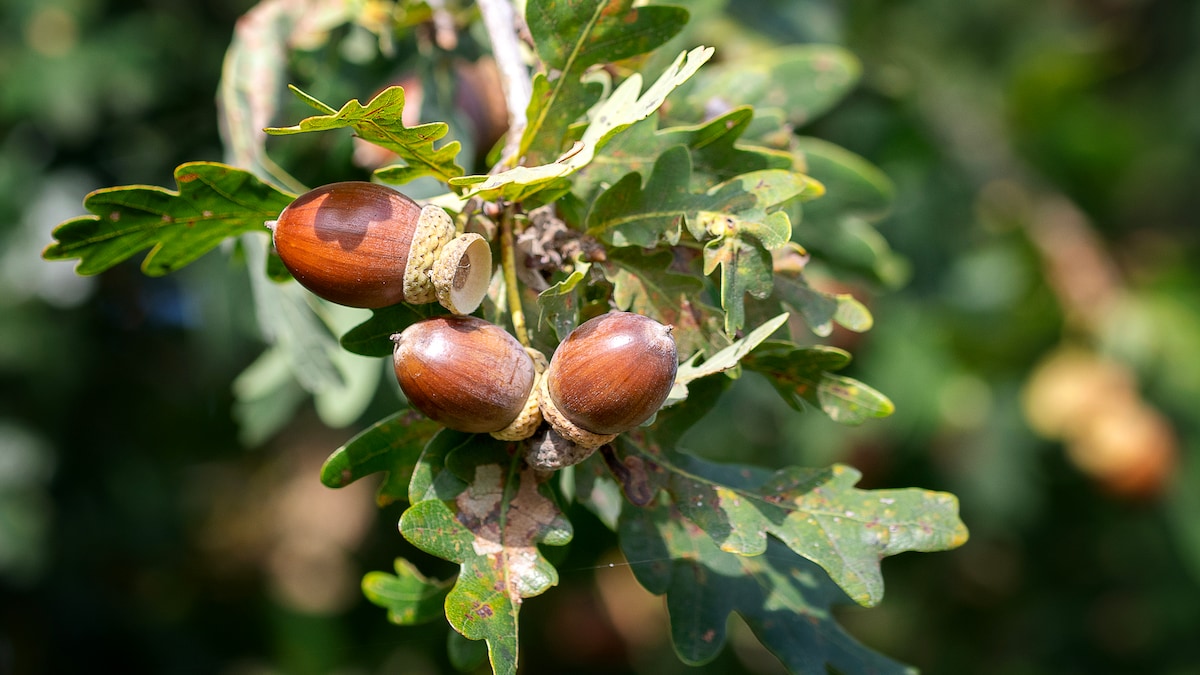
From Mast Year to Your Table: Your Guide to Edible Acorns
Have you ever noticed a year when oak trees seem to rain down acorns? This isn't random luck; it's a brilliant survival strategy known as a Mast Year. Think of it like a natural insurance policy for the oak tree species. By producing a massive, synchronized bounty every 6-12 years, the trees overwhelm predators (like wild boar, mice, and birds). This ensures that enough acorns survive to germinate and grow, securing the future of the forest. For you, the forager, a mast year is a golden opportunity to harvest this abundant, free, and nutritious wild food.
Just as understanding policy cycles is key to navigating private health insurance or Medicare in the US, understanding nature's cycles is key to successful foraging. This guide will walk you through every step, from identifying the right acorns to turning them into tasty treats.
Your Step-by-Step Guide to Foraging Acorns
Foraging acorns is simple, but doing it correctly is crucial for safety and taste. Follow these steps whether you plan to use them for planting, crafting, or cooking.
1. Timing and Identification: In North America, common oak species like the White Oak and Red Oak produce acorns from September through late October. Look for mature, intact nuts without cracks, holes, or discoloration.
2. The Float Test: After collecting, place your acorns in a bowl of water. Discard any that float, as they are likely hollow, rotten, or insect-infested. The good, dense acorns will sink.
3. Proper Storage: If not processing immediately, store fresh, unshelled acorns in a cool, dry, and well-ventilated place. For long-term storage, dry them thoroughly or freeze them after shelling and leaching (see below).
The Critical Step: Making Acorns Safe to Eat
Warning: Do not eat raw acorns. They contain bitter compounds called tannins, which can be toxic in large quantities and make them unpalatable. This process, called leaching, is non-negotiable for human consumption. It's akin to understanding the essential coverage details in your health insurance plan—skipping it leads to problems.
Here’s how to leach acorns safely:
- Shell and Peel: Crack the shells and remove the inner nut. Peeling the thin brown skin is easier if the nuts air-dry for 1-2 days first.
- Cold Water Leaching: Chop the nuts and place them in a container of cold water. The water will turn brown from the tannins. Change the water several times a day for 1-3 days until it remains clear.
- Hot Water Leaching (Faster): Alternatively, boil the chopped acorns in water, changing the water each time it turns tea-colored, until the bitterness is gone.
- Dry: Once leached, pat the acorn pieces dry with a towel. You can then roast them immediately or grind them into flour.
Transforming Leached Acorns into Delicious Food
Once detoxified, acorns become a versatile, gluten-free, and nutritious ingredient. Here are your options:
| Acorn Product | How to Make It | Culinary Uses |
|---|---|---|
| Roasted Acorn Snacks | Chop leached acorns, toss with a little oil and salt, and roast at 350°F (175°C) until golden and crunchy. | Eat as a snack, use as a salad topping, or add to trail mix. |
| Acorn Flour | Thoroughly dry leached acorns, then grind into a fine powder in a coffee or grain grinder. | A gluten-free flour for bread, pancakes, muffins, or as a thickener for soups and sauces. |
| Acorn Coffee | Coarsely grind roasted acorns. Use 1 heaped teaspoon per cup, steep in hot water for 5-10 minutes, and strain. | A caffeine-free, nutty coffee substitute. Add cinnamon or cardamom for flavor. |
Pro Tip: Acorn flour can be somewhat dense. For baking, mix it 50/50 with another flour like almond or oat flour for best results. Use acorn products within a few weeks or store them in the freezer to preserve freshness.
Why Forage for Acorns? The Benefits on Your Plate
Incorporating foraged foods like acorns into your diet is more than a trend; it's a connection to nature and a step towards sustainable eating. They are:
- Free & Abundant: A truly local, zero-cost food source during a mast year.
- Nutritious: Rich in healthy fats, carbohydrates, and minerals.
- Gluten-Free: An excellent alternative flour for those with dietary restrictions.
- Historically Significant: A traditional food source for many Indigenous cultures, sometimes called the "bread of the forest."
Foraging requires patience and knowledge, much like managing your healthcare coverage effectively. But the reward—a pantry stocked with unique, homemade, wild ingredients—is well worth the effort. So next time you see a carpet of acorns under an oak tree, remember: you're looking at a seasonal bounty, a natural wonder, and the ingredients for your next culinary adventure.
Image Source: Uwe Knop