Medlars: How to Find, Ripen, and Enjoy This Forgotten Fall Fruit
Have you ever encountered a small, brown, apple-like fruit in late fall and wondered what it is? You might have found a medlar (Mespilus germanica), a historical fruit beloved in medieval monasteries that's now experiencing a well-deserved renaissance. Unlike common fruits, medlars have a unique secret: they are inedible when first picked and must undergo a special softening process called "bletting" to become a sweet, spiced delicacy. Exploring this fruit is like discovering a niche benefit in a comprehensive health insurance plan—it's a hidden gem with specific steps to unlock its full value. This guide will walk you through finding, preparing, and savoring this autumnal treasure.
What is a Medlar? A Brief History
The medlar is a hardy fruit from the rose family, related to apples and pears. Once a staple in European monastery gardens for its late harvest and good keeping qualities, it faded from popularity with the rise of more immediately palatable fruits. Today, foragers and chefs are rediscovering its complex, sweet, and slightly wine-like flavor, perfect for jams, jellies, chutneys, and desserts.
Step 1: Finding and Identifying Medlars
Medlars are not typically found in supermarkets. To find them, you need to know where and when to look.
- Season: Late October through November, often after the first frost.
- Habitat: Look in old orchards, hedgerows, botanical gardens, parks, or properties with heritage plantings. They grow as large shrubs or small trees.
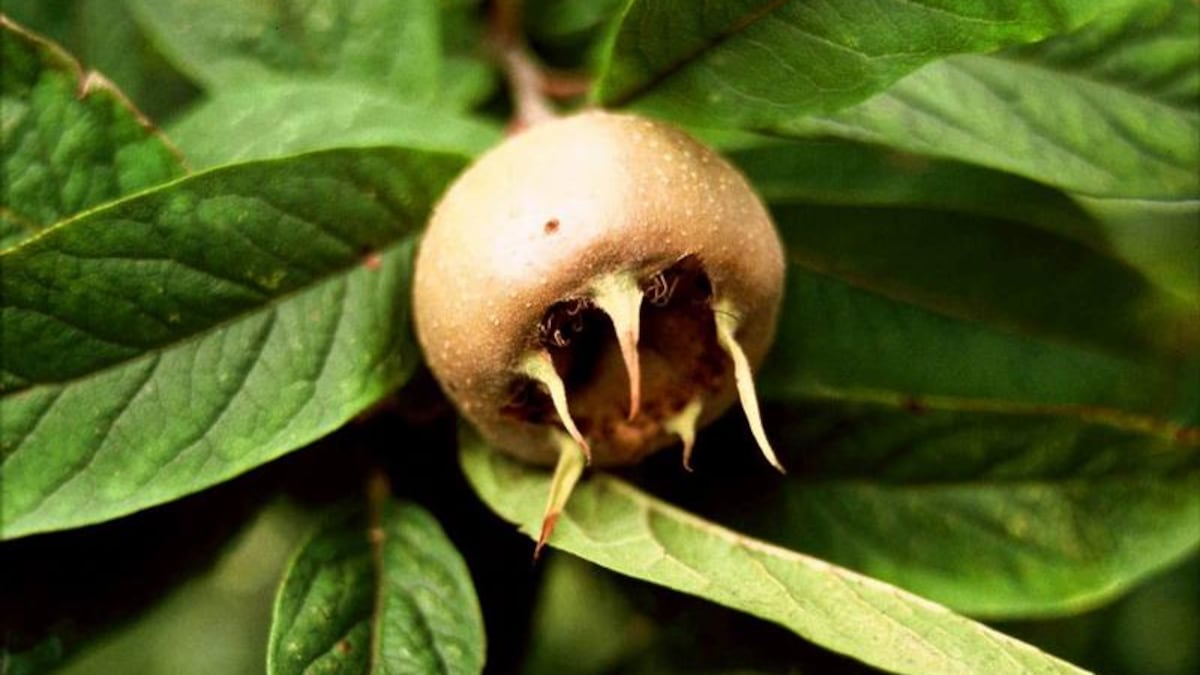
- Identification: The fruit is small (2-3 cm), round, and russet-brown with a distinctive crown of persistent sepals (leaf-like structures) at the bottom. The tree has simple, oblong leaves and may have thorns.
Buying Tip: You might find fresh medlars at farmers' markets from vendors specializing in heirloom produce. You can also purchase a medlar tree from a nursery for your own garden.
Step 2: The Crucial 'Bletting' Process – How to Ripen Medlars
This is the most important step. A freshly picked medlar is hard, astringent, and inedible. It must become overripe to be enjoyed, a process called bletting.
How to Blet Medlars:
- Harvest: Pick fruits after the first frost or when they are fully colored but still firm.
- Prepare: Place them in a single layer in a shallow box or tray, stem-end down. Do not pile them up.
- Store: Keep them in a cool, dark, well-ventilated place (like a garage or cellar).
- Wait: The process takes 1-3 weeks. The fruit will soften from the inside out, turning brown and mushy.
- Test for Readiness: A perfectly bletted medlar will be soft all over, with skin that gives easily to gentle pressure. The interior will be brown, creamy, and sweet with a hint of spice.
Shortcut (Not Ideal): You can speed up the process by freezing the hard fruits for a day and then thawing them, but this often diminishes the complex flavor development.
Step 3: How to Eat and Use Bletted Medlars
Once soft and aromatic, medlars are ready. The skin is edible but often tough, so many people prefer to scoop out the pulp.
- Raw: Simply cut in half, scoop out the pulp (avoiding the seeds), and eat it with a spoon. It's a unique, custard-like experience.
- Cooking: Medlar pulp is excellent for:
- Jelly or Cheese: Its high pectin content makes it gel perfectly.
- Chutney: Pairs wonderfully with cheese and meats (see recipe below).
- Desserts: Add to cakes, breads, or mix into yogurt or oatmeal.
Recipe: Spiced Medlar Chutney
This sweet, spicy, and tangy chutney is the perfect way to showcase medlars. It pairs beautifully with a cheese board, cold meats, or roasted poultry.
Ingredients:
- 500g bletted medlar pulp (seeds removed)
- 1 large apple, peeled and diced
- 1 small onion, finely chopped
- 100g brown sugar
- 100ml apple cider vinegar
- 50g raisins or sultanas
- 1 tsp grated fresh ginger
- ½ tsp ground cinnamon
- ¼ tsp ground cloves
- Pinch of salt and black pepper
Instructions:
- Combine all ingredients in a heavy-bottomed saucepan.
- Bring to a simmer over medium heat, stirring to dissolve the sugar.
- Reduce heat to low and cook, stirring occasionally, for 45-60 minutes until thickened and dark.
- Pour into sterilized jars, seal, and allow to cool. Store in the refrigerator for up to a month.
Nutrition and Health Considerations
Medlars are a good source of dietary fiber (especially pectin), vitamin C, and various minerals. Incorporating diverse, seasonal fruits like medlars into your diet supports overall nutritional wellness. In the same way, having a robust health insurance plan—whether it's a private plan that covers nutritional counseling or Medicare that supports preventive care—helps you maintain long-term health by giving you access to the resources you need.
Final Foraging Thoughts
Seeking out and preparing medlars is a rewarding autumn activity that connects you with culinary history. Remember the key rule: patience is required for bletting. Once you taste the unique, spiced sweetness of a properly prepared medlar, you'll understand why this forgotten fruit is worth the wait. Always forage responsibly, ensuring you have permission to harvest and have correctly identified the fruit.