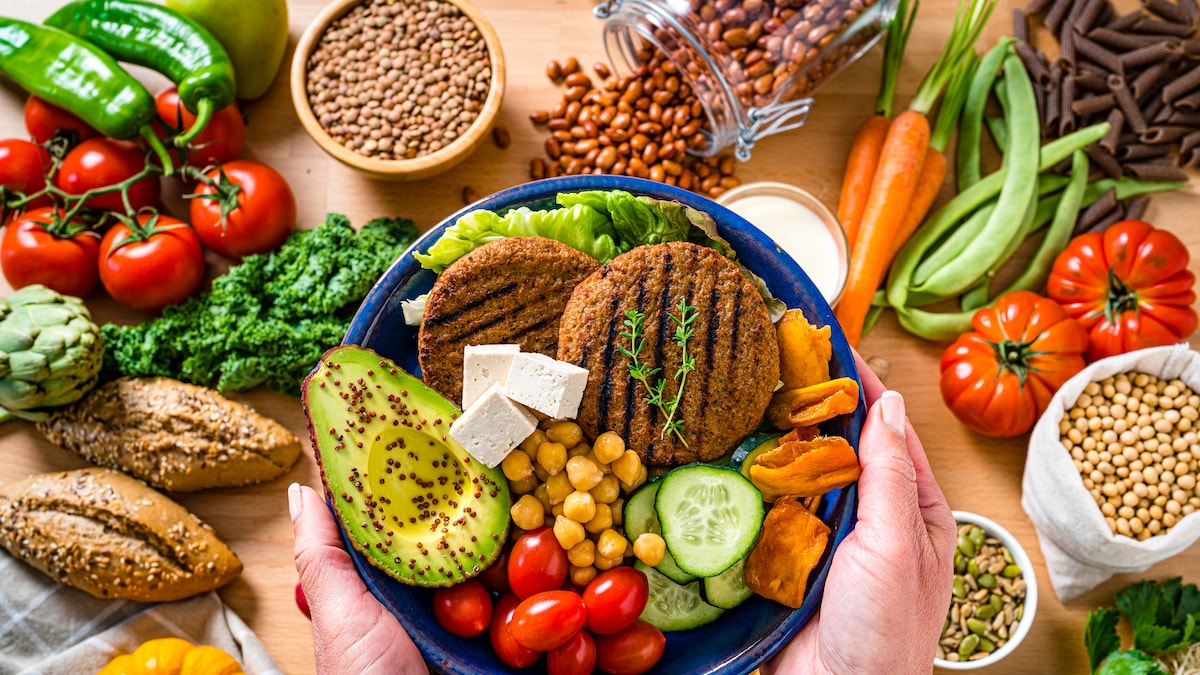
Beware the Plant-Based Trap: How Ultra-Processed Vegan Foods Can Damage Your Heart
Switching to a plant-based diet is a popular health goal, often seen as a surefire way to improve wellness. However, new scientific research sounds a crucial alarm: not all plant-based foods are created equal. A landmark long-term study reveals that ultra-processed vegan and vegetarian products can actually increase your risk of heart disease, negating the potential benefits of a plant-forward diet. Understanding this distinction is vital for anyone looking to protect their cardiovascular health.
The Study: A Decade of Data on Plant-Based Diets
Researchers from the French National Research Institute for Agriculture, Food and Environment (INRAE) analyzed data from over 63,000 adults followed for an average of nine years as part of the NutriNet-Santé cohort. The study went beyond simply labeling food as "plant" or "animal." It introduced a sophisticated, three-factor evaluation system to assess dietary quality:
- Proportion of Plant vs. Animal Foods: The basic makeup of the diet.
- Nutrient Density: The concentration of vitamins, minerals, fiber, and antioxidants vs. empty calories.
- Degree of Food Processing: This proved to be the critical differentiator.
The Stark Contrast: Whole Foods vs. Ultra-Processed Plants
The findings presented a clear and powerful dichotomy:
| Dietary Pattern | Food Examples | Impact on Heart Disease Risk |
|---|---|---|
| Healthy Plant-Based (Unprocessed/Minimally Processed) | Fresh fruits, vegetables, legumes (beans, lentils), whole grains (oats, quinoa), nuts, seeds, tofu, tempeh. | Dramatically Lower Risk. Participants had a 44% lower risk of coronary heart disease and a 32% lower risk of overall cardiovascular disease. |
| Unhealthy Plant-Based (Ultra-Processed) | Vegan burgers/sausages, sugary plant-based drinks, flavored vegan yogurts, packaged vegan snacks, frozen vegan meals, industrial breads and pastries. | Increased Risk. The heart-protective effect was completely lost. Diets high in these foods were linked to a higher risk of cardiovascular problems. |
Why Ultra-Processed Plant Foods Are the Problem
The "plant-based" label on a package can be misleading. These products are often formulated for shelf-life, taste, and texture, not health. Key culprits include:
- Excessive Sodium: Used for flavor and preservation, contributing to high blood pressure.
- Added Sugars and Refined Carbohydrates: Found in sweetened drinks, yogurts, and snacks, promoting inflammation and weight gain.
- Unhealthy Fats: Often contain refined oils high in omega-6 fatty acids (like sunflower or soybean oil), which can be pro-inflammatory in excess.
- Additives and Emulsifiers: While deemed safe, their long-term impact on gut health and inflammation is an area of ongoing research.
- Low Nutrient Density: They often lack the fiber, vitamins, and phytonutrients found in whole plant foods.
As the study authors concluded: "The positive effect of healthy plant-based diets is lost with high consumption of ultra-processed foods... A plant-based label alone is not enough."
How to Avoid the "Veggie Trap": A Heart-Healthy Action Plan
To reap the true benefits of a plant-based diet for your heart, follow these evidence-based guidelines:
- Prioritize Whole, Minimally Processed Foods: Make vegetables, fruits, beans, lentils, whole grains, nuts, and seeds the core of your meals. These are naturally rich in heart-protective fiber, potassium, and antioxidants.
- Read Ingredient Lists, Not Just Marketing: If a product has a long list of unrecognizable ingredients, high sodium, or added sugars, it falls into the ultra-processed category. Choose simpler alternatives.
- Cook More at Home: Preparing meals from whole ingredients gives you complete control over what goes into your food. A homemade bean burger is vastly different from a packaged, processed vegan patty.
- Be Selective with Meat Alternatives: If you use them, opt for options with short ingredient lists, like tempeh, tofu, or seitan. Use them as an occasional component, not the centerpiece of every meal.
- Limit Sugary Plant-Based Drinks: Choose unsweetened plant milks (like almond, oat, or soy) and water or tea over sugary smoothies, lattes, and sodas—even if they are vegan.
The Bottom Line: It's About Quality, Not Just Category
Adopting a plant-based diet can be one of the best decisions for your long-term heart health, but only if done correctly. The path to wellness isn't found in the vegan freezer aisle of processed imitations. It's found in the produce section, the bulk bins of legumes and grains, and your own kitchen. By focusing on whole, nutrient-dense plant foods and minimizing ultra-processed products—regardless of their "plant-based" claims—you can build a diet that truly supports a strong and healthy heart for years to come.