Pet Owner Liability: Understanding Shared Fault in Animal-Related Accidents
With millions of cats in households across the country, encounters between pets and vehicles are not uncommon. A recent legal case in Germany provides a critical lesson for pet owners everywhere about liability, shared fault, and the indispensable role of insurance coverage. This ruling highlights why a personal liability insurance policy is a "must-have" for owners of free-roaming pets and how accident victims can be assigned partial blame.
The Case: A Motorcycle, a Maine Coon, and a Costly Crash
A motorcyclist, traveling under 30 km/h, saw a cat dart across the road. He braked and attempted an evasive maneuver, lost balance, and crashed. The accident resulted in severe personal injury, significant damage to his Harley-Davidson motorcycle (over €5,000 in repairs), clothing damage (~€400), lost income (~€4,200), and an expert-certified "considerable permanent disability." The total claimed damages, including pain and suffering, amounted to €100,000.
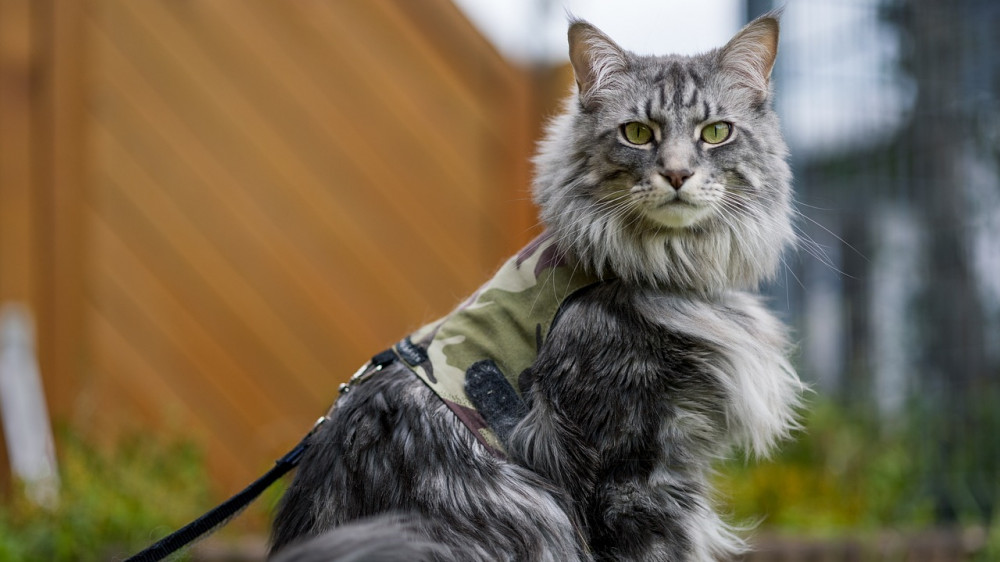
The crucial twist? The cat was no ordinary stray. It was a distinctively large Maine Coon with black fur and white paws. Witness descriptions helped identify the pet's owner, a woman living nearby. The motorcyclist sought compensation under strict liability laws governing pet owners.
The Legal Battle: From Denial to Partial Victory
The owner's liability insurance initially paid €8,000 without admitting legal obligation, leading to a lawsuit. The first court dismissed the case, doubting the cat's involvement. However, the appeals court (Oberlandesgericht Zweibrücken) confirmed the unique Maine Coon was the cause, accepting witness testimony as proof.
The Core Legal Question: Was the Evasive Maneuver Justified?
German law typically states that swerving for small animals like rabbits or ordinary cats is not appropriate, as it creates a greater accident risk. In such cases, no compensation is due. However, this case was different because of the specific animal danger (Tiergefahr) posed by an unusually large Maine Coon. The court ruled the motorcyclist's reaction was understandable, establishing the pet owner's liability under §833 of the Civil Code (BGB).
The Surprising Outcome: Shared Responsibility
Despite establishing liability, the motorcyclist did not receive full compensation. The court applied the concept of "operational hazard" (Betriebsgefahr) inherent to motor vehicles. This principle acknowledges that simply operating a vehicle creates a risk source, leading to a no-fault shared responsibility in accidents.
Considering the local conditions and speed limit, the court assigned a one-third contributory negligence to the motorcyclist. Consequently, he was awarded only two-thirds of the total damages.
Analogy for US Readers: Understanding the Liability Framework
Think of this like an accident involving a pet in the US. The pet owner's liability might be covered under their homeowners insurance or a separate pet liability insurance policy, similar to how private health insurance (PKV) in Germany covers specific individual risks. The concept of "operational hazard" for the vehicle is akin to the inherent risks all drivers accept, much like how Medicare operates as a baseline coverage system with shared cost responsibilities. Just as navigating Medicare and Medicaid requires understanding coverage gaps, navigating pet liability requires understanding where standard policies end and specific risks begin.
| Responsible Party | Basis of Liability / Fault | Financial Consequence in This Case | Protective Measure |
|---|---|---|---|
| Pet Owner | Strict liability for damages caused by their animal (§833 BGB / similar US tort laws). | Liable for two-thirds (≈ €66,667) of the total €100,000 claim. | Personal Liability Insurance (Haftpflichtversicherung) or Pet Liability Insurance. |
| Motorcyclist (Accident Victim) | Contributory negligence due to the "operational hazard" inherent in vehicle use. | Bears one-third (≈ €33,333) of the total damages himself. | Comprehensive Motorcycle Insurance (including collision/personal injury coverage). |
Key Takeaways and Protective Recommendations
This ruling underscores several vital points for risk management:
- For Pet Owners: Do not underestimate your liability. A standard homeowners or renters insurance policy may have limits or exclusions for certain pets or incidents. Consider a robust personal liability insurance policy that explicitly covers pet-related damages. For high-risk breeds or valuable animals, inquire about specific pet liability insurance.
- For Drivers: Your vehicle's inherent risk can lead to shared fault. Ensure you have adequate auto insurance coverage (e.g., collision, uninsured motorist, medical payments) to protect yourself when others are only partially liable.
- The Animal Matters: The size, breed, and type of animal can transform a legal outcome. An "unusually dangerous" animal creates a higher standard of liability for its owner.
- Documentation is Key: In an accident, gather evidence. Witness statements, photos of the animal and scene, and police reports are crucial for establishing facts, as seen in this case.
Final Verdict: Insurance is Your First Line of Defense
Just as you wouldn't forgo health insurance hoping to avoid illness, don't forgo liability insurance hoping your pet never causes an incident. The financial consequences of a single accident can be devastating. Review your policies today to ensure both you and your assets are protected against the unpredictable nature of pet ownership and road safety.