Liver Detox Diet: What to Eat to Reverse Fatty Liver Disease, According to a Dietitian
Do you often feel unusually tired or sluggish? You might be among the one in four adults affected by non-alcoholic fatty liver disease (NAFLD), a condition primarily driven by poor diet and excess weight. The good news? This liver damage is often fully reversible with the right nutritional strategy. Munich-based dietitian Doris Kurz explains that instead of restrictive diets, a sustainable, balanced approach focused on specific foods can effectively detoxify and heal your liver.
Understanding Fatty Liver: The Silent Epidemic
According to the German Liver Foundation, NAFLD is alarmingly common. An fatty liver often presents no obvious pain, with symptoms like persistent fatigue, low energy, or occasional upper-right abdominal pressure being the only clues. Left untreated, it can progress to inflammation (steatohepatitis) and even liver cancer. The primary treatment isn't medication—it's dietary change.
Foods to Avoid: The Liver's Enemies
To reverse fatty liver, you must first stop the damage. Dietitian Kurz advises minimizing or eliminating these key culprits:
- Added Sugars & Fructose: Especially from sugary drinks, sweets, and processed foods. High fructose corn syrup is particularly harmful to the liver.
- Refined Carbohydrates: White bread, pasta, pastries, and other processed grains spike blood sugar and promote fat storage in the liver.
- Excessive Alcohol: A major toxin for the liver.
- High Sodium (Salt): Can contribute to fluid retention and inflammation.
- Unhealthy Fats: Limit saturated and trans fats found in fried foods and fatty meats.
The Liver-Healing Food Plan: What to Eat Daily
Kurz emphasizes a balanced, nutrient-dense plate over extreme restriction. Here’s her framework for a liver-friendly diet:
| Meal | Liver-Supporting Foods & Structure | Examples |
|---|---|---|
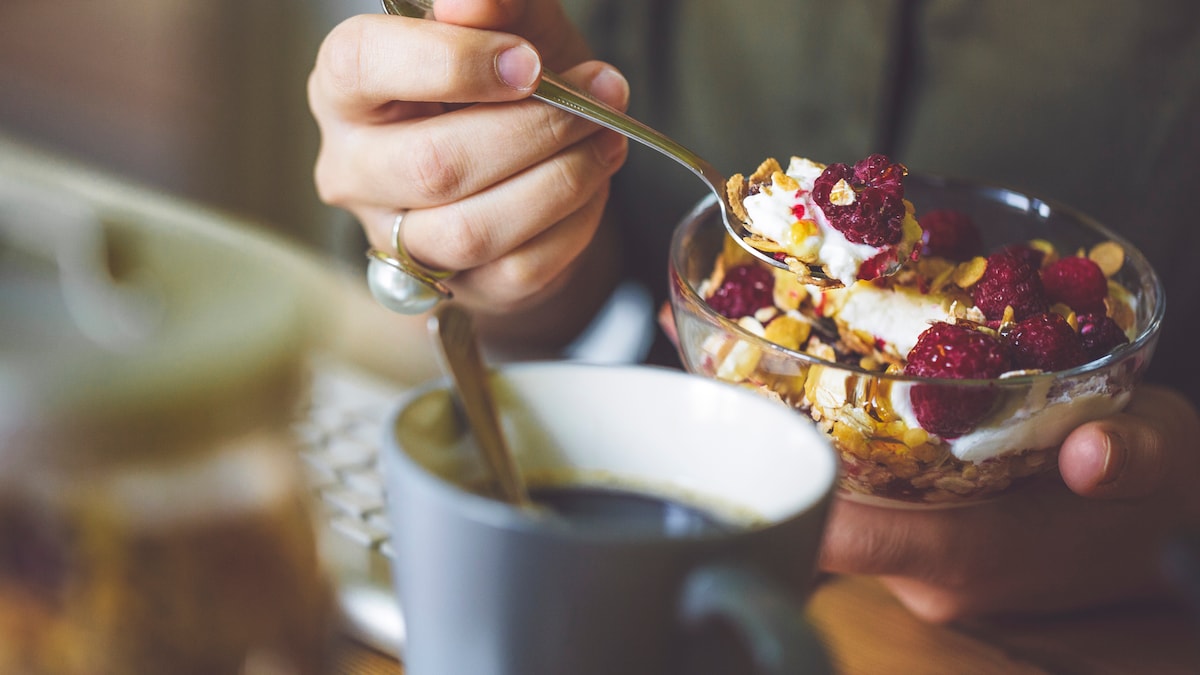
| Breakfast | High-fiber carbs, protein, healthy fats | Oatmeal with berries, plain yogurt, nuts, and flaxseeds. Or whole-grain bread with cottage cheese, cucumber, and an apple. |
| Lunch | Follow the "Plate Rule" | 1/2 plate non-starchy vegetables, 1/4 plate whole grains (brown rice, quinoa), 1/4 plate lean protein (chicken, fish, tofu, legumes). Fruit for dessert. |
| Dinner | Light, vegetable-focused with protein | Large salad (e.g., kale, arugula) with olive oil & vinegar, topped with pumpkin seeds, 1-2 eggs, or a small portion of feta cheese. |
| Snacks (if needed) | Low-carb, high-fiber options | Vegetable sticks with herb quark dip, a handful of nuts. |
Key Principles for Liver Detox Success
- Aim for Gradual, Sustainable Weight Loss: Rapid weight loss can worsen liver inflammation. Slow and steady is key.
- Prioritize Fiber: Aim for at least 2 servings of fruit and 3 servings of vegetables daily. Fiber helps manage blood sugar and promotes satiety.
- Choose Healthy Fats: Incorporate sources like olive oil, avocados, nuts, and seeds. These reduce inflammation.
- Stay Hydrated: Drink plenty of water throughout the day to support metabolism and detoxification.
- Avoid Unnecessary Snacking: Try to limit eating to main meals to give your liver regular breaks from processing nutrients.
Conclusion: Your Liver Can Heal
Reversing a fatty liver is one of the most powerful steps you can take for your long-term health. By shifting your diet away from processed sugars and fats and towards whole, fiber-rich foods, lean proteins, and healthy fats, you provide your liver with the tools it needs to repair itself. Remember, consistency is more important than perfection. Start by implementing one or two changes from this plan, and build from there. For personalized advice, especially if you have other conditions like diabetes, consulting a registered dietitian is highly recommended.
Doris Kurz is a dietitian based in Gräfelfing near Munich, specializing in diet therapy for obesity and type 2 diabetes. More info: www.doris-kurz.de