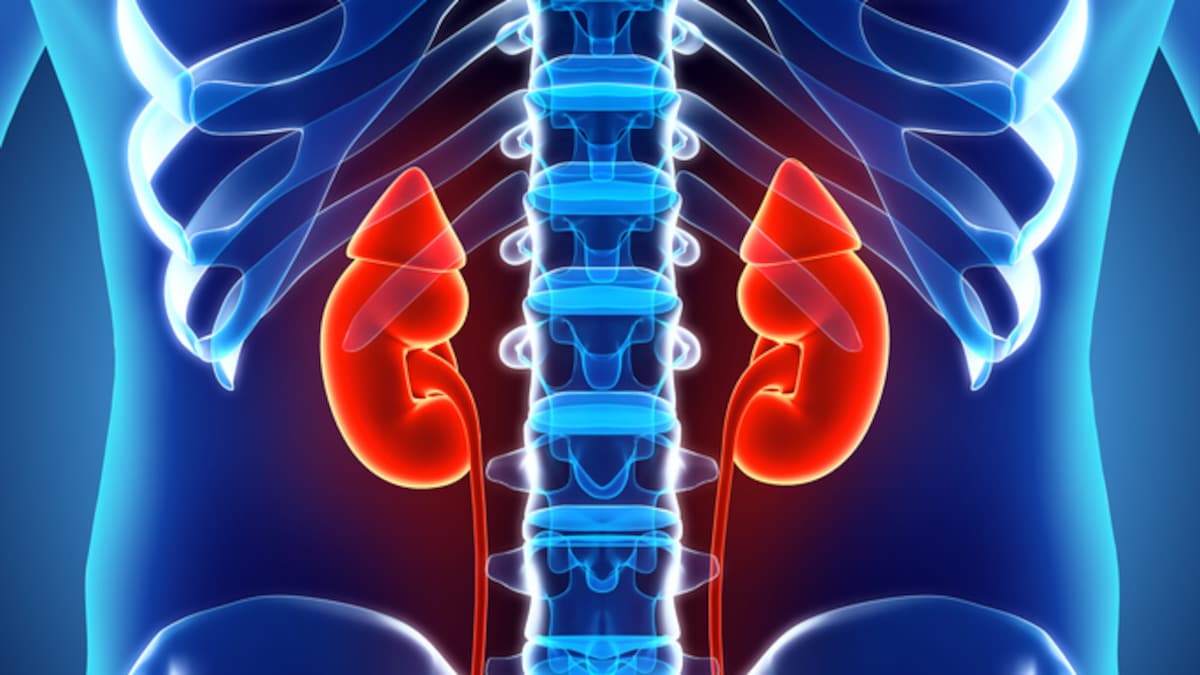
Protect Your Kidneys: The Ultimate Guide to Kidney-Healthy Eating
Have you ever considered how your daily food choices impact your long-term health, much like choosing between a comprehensive private health insurance plan and a basic federal program? Just as selecting the right coverage (be it private insurance or Medicare/Medicaid in the US) safeguards your finances, making informed dietary choices protects your kidneys—your body's essential filtration system. Modern lifestyles, characterized by frequent fast food, processed snacks, and low physical activity, are taking a silent toll. Experts like Clemens Cohen, Chief Physician of Nephrology, warn that rising rates of diabetes and high blood pressure, often fueled by poor diet, directly strain kidney health.
Why Kidney Health Matters: Your Body's Silent Filter
Your kidneys are among your body's most hardworking organs, filtering waste from your blood around the clock. However, they suffer in silence. Unlike other ailments, kidney disease often shows no symptoms until significant damage has occurred, potentially leading to severe complications like dialysis. Chronic kidney disease is on the rise globally, making proactive care through diet more critical than ever.
Foods That Harm Your Kidneys: What to Limit or Avoid
Certain dietary components can overwork your kidneys, especially if function is already compromised. Here’s a breakdown of key culprits:
| Nutrient/Ingredient | Why It's Harmful | Common Sources | Kidney-Friendly Tip |
|---|---|---|---|
| Sodium (Salt) | Excess sodium raises blood pressure, forcing kidneys to work harder. It can lead to fluid retention and further kidney stress. | Processed foods, canned soups, deli meats, bread, sausages, fast food. | Limit intake to under 2,300 mg (about 6g of salt) daily. Read labels and cook fresh meals using herbs and spices for flavor. |
| Phosphorus (as Additives) | Healthy kidneys remove excess phosphorus. Added inorganic phosphates (in processed foods) are easily absorbed and can overload kidneys, leading to vascular calcification. | Cola, processed cheeses, sausages, baked goods, and foods with additives E338-E341, E343, E450-E452. | Choose fresh, whole foods. Be wary of phosphorus additives in ingredient lists. Natural phosphorus in fruits/vegetables is less concerning. |
| Excess Protein | While vital, overconsumption (especially from red meat) makes kidneys work overtime to filter waste products like urea, potentially worsening kidney stress and acidosis. | Red meat, poultry, dairy products, protein supplements. | Aim for 0.8 grams of protein per kg of body weight daily (e.g., ~56g for a 70kg person). Prioritize plant-based proteins like beans and lentils some days. |
The Kidney-Protective Diet: What to Eat for Optimal Health
Just as you'd review your health insurance plan annually, regularly assessing your diet is key. The Mediterranean Diet is widely recommended by nephrologists for kidney health. Its principles include:
- Plenty of Fruits and Vegetables: Rich in antioxidants and fiber, they help neutralize blood acidity and reduce kidney workload.
- Healthy Fats: Use olive oil as a primary fat source.
- Moderate Fish and Poultry: Limit red meat to once a week.
- Whole Grains and Legumes: Excellent sources of fiber and plant-based protein.
This approach not only supports kidney function but also helps manage blood pressure and blood sugar—major risk factors for kidney disease.
Hydration and Your Kidneys: The Fluid Balance
Adequate hydration is non-negotiable for kidney health. Water is the ideal choice—it's calorie-free and helps kidneys flush out toxins efficiently.
- How Much? For most healthy adults, 1.5 to 2 liters of water daily is sufficient. Drinking more than this typically offers no extra kidney benefit unless you have a history of kidney stones.
- What to Drink? Water is best. Be cautious with sugary drinks like cola, which add empty calories and phosphorus. Moderate coffee (up to 3 cups) and minimal alcohol (one small glass) are generally acceptable for those with healthy kidneys.
Conclusion: Your Diet, Your Kidney's Future
Protecting your kidney health through diet is a powerful, proactive step, akin to securing the right health insurance coverage for your needs. By limiting processed foods high in salt and phosphorus additives, moderating protein intake (especially from meat), embracing a plant-forward Mediterranean-style diet, and staying well-hydrated with water, you significantly reduce your risk of kidney disease. Remember, your kidneys filter your life—nourish them wisely. Consult a doctor or dietitian for personalized advice, especially if you have existing health conditions.