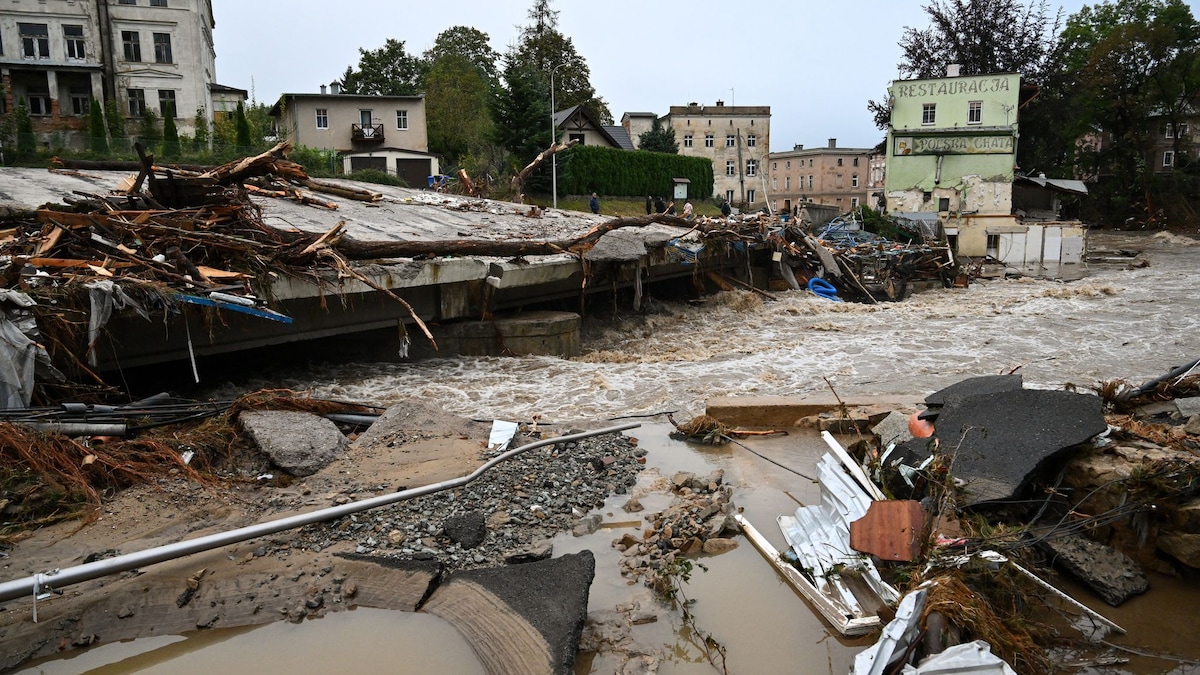
Does Your Insurance Cover Flood Damage? A Guide to Flood Insurance for Homeowners and Renters
Imagine this: a sudden, intense downpour hits your neighborhood. Within hours, streets turn into rivers, and water begins seeping into your home. This scenario of flash flooding and severe rainfall is becoming more common due to climate change, and it can happen to anyone, anywhere. Are you financially protected? Standard homeowners or renters insurance often falls short. This guide will walk you through the essential flood insurance you need, the critical steps to take if disaster strikes, and how coverage works for different types of residents.
Understanding the Gap in Your Coverage: Standard vs. Flood Insurance
Many property owners mistakenly believe their standard policy covers all water damage. This is a dangerous assumption. Typically, a standard homeowners insurance or renters insurance policy covers water damage from internal sources, like a burst pipe. However, damage from water entering your home from the outside—due to overflowing rivers, storm surge, or flash flooding from heavy rain—is usually excluded.
To cover these natural disaster risks, you need a specific flood insurance policy or an endorsement. In Germany, this is often called an "Elementarschadenversicherung" (natural hazards insurance), added as a "Weitere Naturgefahren" (extended natural perils) clause to building or contents insurance. Shockingly, only about 54% of German homeowners have this vital protection.
U.S. vs. German Systems: A Quick Analogy
To help American readers understand: Think of Germany's public health insurance (GKV) and private health insurance (PKV) system. GKV provides a base level of coverage for most, while PKV offers more extensive, tailored plans. Similarly, a standard German building insurance (Wohngebäudeversicherung) is like a basic plan. The Elementarschadenversicherung add-on is like a premium upgrade for specific, high-risk events—much like how in the U.S., you need a separate NFIP (National Flood Insurance Program) policy or a private flood insurance plan to cover flood damage, as it's excluded from standard homeowners policies. Just as Medicare (for seniors) and Medicaid (for low-income individuals) are specific U.S. government programs for targeted groups, flood insurance is a specific product for a specific peril.
Who Needs What? A Breakdown for Homeowners, Renters, and Condo Owners
Your responsibilities and insurance needs depend on your living situation. Use the table below to see who is responsible for what and what type of flood insurance coverage is required.
| Property Type | Responsible For Damages To... | Required Insurance Coverage | Key Action Points |
|---|---|---|---|
| Homeowner | The physical structure (foundation, walls, roof, built-in appliances). Costs for pumping, drying, and repairs. | Homeowners Insurance WITH a Flood Insurance endorsement or separate NFIP policy. | 1. Secure the property. 2. Document all damage with photos/videos. 3. Contact insurer immediately. 4. Check for state/federal disaster relief grants. |
| Renter | Personal belongings (furniture, electronics, clothing). Temporary living expenses if displaced. | Renters Insurance WITH a flood endorsement or contents coverage under an NFIP policy. The landlord's policy does NOT cover your stuff. | 1. Move belongings to safety. 2. Notify landlord immediately of structural damage. 3. File claim with your own insurer for contents loss. 4. Understand your rights regarding lease termination or rent reduction. |
| Condo Owner | Interior walls, fixtures, improvements, and personal property within your unit. The HOA/master policy covers the building's exterior and common areas. | 1. Verify the HOA's master policy includes flood insurance. 2. Purchase an HO-6 (Condo) policy with flood coverage for your unit's interior and belongings. | 1. Review your HOA's master policy declarations page. 2. Fill gaps in coverage with your own policy. 3. Participate in HOA discussions to ensure adequate community coverage. |
Immediate Steps to Take After a Flood: Protecting Your Family and Your Claim
Speed is critical after flood damage. Your safety and the success of your insurance claim depend on quick, correct action.
- Ensure Safety First: Evacuate if instructed. Do not enter flooded areas until authorities say it's safe. Turn off electricity and gas at the main valves to prevent electrocution or explosions.
- Mitigate Further Damage: This is often a policy requirement. If safe to do so, remove standing water, pump out basements, and board up broken windows. Keep receipts for any materials purchased for temporary repairs.
- Document Everything Thoroughly: Before cleaning up, take extensive photos and videos of all damage, including water lines on walls and damaged possessions. Create a detailed inventory list.
- Contact Your Insurance Company Immediately: Report the loss. Have your policy number ready. They will assign an adjuster. Do not dispose of damaged items until the adjuster has seen them.
- Beware of Mold: Mold can develop within 24-48 hours. Dry out the property as fast as possible. Your flood insurance may cover mold remediation, but only if it's a direct result of the covered flood.
Proactive Protection: Flood Prevention and Financial Assistance
Prevention is always better than recovery. If you live in a flood-prone area (not just near water; check FEMA Flood Maps), consider:
- Flood-Proofing Your Home: Install backflow valves, elevate utilities, and use water-resistant materials.
- Exploring Financial Aid: In the U.S., FEMA offers grants for mitigation projects. In Germany, federal states (Bundesländer) have Hochwasserschutz-Programme (flood protection programs). Investigate local and state assistance programs for home resiliency upgrades.
The Bottom Line: Don't Wait for the Next Storm
Flood insurance is a specialized but essential layer of financial protection. With the increasing frequency of extreme weather events, assuming you're covered is a massive risk. Review your policies today. Talk to your insurance agent to confirm whether you have coverage for overland flooding and sewer backup. For homeowners, renters, and condo owners alike, understanding these distinctions is the key to ensuring you won't be left bearing the full, devastating cost when the next flood hits.
This content is for informational purposes only and does not constitute professional insurance advice. Please consult a licensed insurance professional for advice regarding your individual situation.