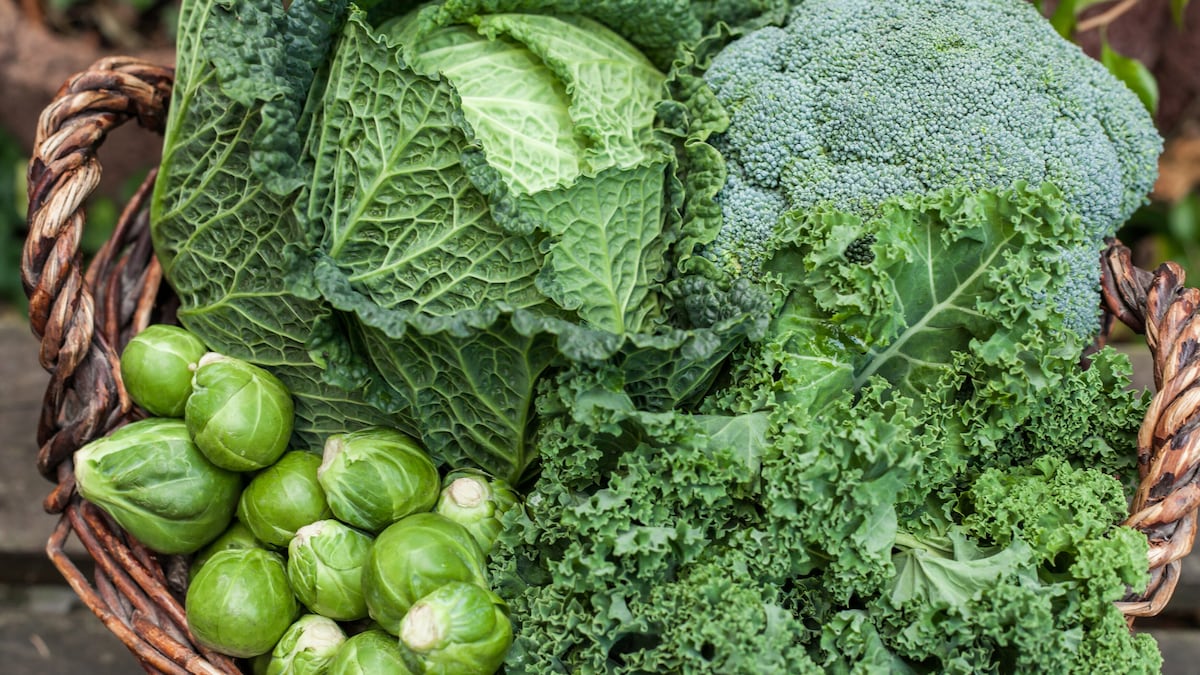
Best Seasonal Fruits & Vegetables for January: A Guide to Winter Nutrition
As the new year begins, many of us seek to eat more consciously after the holiday indulgences. January's seasonal produce is perfectly suited for this reset. Embracing local, in-season fruits and vegetables is not only a culinary delight but also a powerful step for your preventive health. These winter-hardy foods are packed with nutrients that support your immune system during cold and flu season. Just as you rely on a good health insurance plan for medical security, you can rely on seasonal eating for nutritional security. This guide highlights the best January produce, its health benefits, and why choosing seasonal is a win for your health, wallet, and the environment.
Why Eat Seasonally and Locally in January?
While supermarkets offer global produce year-round, choosing seasonal and regional foods has significant advantages that align with a holistic wellness approach:
| Benefit | Impact on You | Broader Impact |
|---|---|---|
| Peak Nutrition & Flavor | Produce harvested at peak ripeness has higher vitamin, mineral, and antioxidant content. Frost can even increase sugar content in some greens, enhancing taste. | You consume more nutrients per bite, directly supporting your immune system and overall health—a key aspect of dietary preventive care. |
| Cost-Effectiveness | Abundant seasonal produce often costs less due to reduced transportation and storage expenses. | Makes healthy eating more accessible, helping you manage your grocery budget—freeing up resources for other wellness priorities, much like choosing an affordable health insurance plan. |
| Environmental Sustainability | Short transport routes mean a significantly lower carbon footprint. Less packaging and chemical treatment are often required. | Reduces your environmental impact. Supporting local farmers strengthens community food systems. |
Top January Vegetables: Winter's Nutritional Powerhouses
1. Kale: The Ultimate Winter Superfood
Kale is a nutritional champion, especially after a frost, which makes it sweeter and more flavorful.
- Health Benefits: Exceptionally high in Vitamin C (100g can meet your daily need), Vitamin K, Vitamin A, calcium (comparable to dairy), iron, and antioxidants.
- How to Enjoy: Beyond the classic cooked dish with potatoes and sausage, try it raw in salads, blended into pesto, or added to smoothies for a nutrient boost.
2. Brussels Sprouts
These mini-cabbages are at their best in winter.
- Health Benefits: Rich in fiber, Vitamin C, Vitamin K, and compounds called glucosinolates, which support cellular health.
- How to Enjoy: Roast them with a little oil at high heat to caramelize their natural sugars and minimize bitterness.
3. Root Vegetables: Carrots, Beets, and Parsnips
Stored from fall harvests, these are January staples.
- Health Benefits: Carrots are rich in beta-carotene (for eye health). Beets are great for blood pressure and stamina. Parsnips offer fiber and folate.
- How to Enjoy: Roast them, add to soups and stews, or shred into salads.
4. Winter Salads: Lamb's Lettuce (Mâche) and Arugula
Lamb's lettuce is remarkably hardy and can be harvested in winter.
- Health Benefits: Lamb's lettuce contains three times the beta-carotene and Vitamin C of iceberg lettuce, plus iron, folate, and potassium.
- How to Enjoy: Use as a tender, nutty base for winter salads. Arugula from greenhouses adds a peppery kick.
Top January Fruits: Sweetness from Storage
The fruit selection is smaller but excellent.
- Apples & Pears (Storage Crops): These are the stars of January. Apples are rich in Vitamin C and pectin, a fiber that aids digestion and can help lower cholesterol. Pears are gently sweet, stomach-friendly, and provide fiber, potassium, and boron (which aids calcium retention).
- How to Enjoy: Eat them fresh, bake into healthy desserts, cook into compotes, or add to savory dishes like salads.
Connecting Seasonal Eating to Your Health and Insurance Strategy
Eating a diet rich in seasonal fruits and vegetables is a foundational practice for preventive healthcare. The high density of vitamins, minerals, and antioxidants supports your immune system, reduces inflammation, and helps maintain a healthy weight. This proactive approach to nutrition can reduce your risk of chronic diseases like heart disease and type 2 diabetes—conditions that are major drivers of healthcare costs in the U.S.
Think of your diet as your first line of defense, working in tandem with your medical insurance. While your health insurance plan (be it private insurance, Medicare, or Medicaid) covers doctor visits and treatments, your daily food choices are a form of daily maintenance and prevention. Many plans now offer wellness programs or nutritional counseling—ask about these benefits during your annual wellness visit.
Your January Action Plan
- Shop Local: Look for labels indicating origin at your grocery store or, better yet, visit a winter farmers' market or sign up for a local CSA (Community Supported Agriculture) box.
- Prioritize the List: Fill your cart with kale, Brussels sprouts, root vegetables, apples, pears, and hearty winter salads.
- Get Creative: Try new recipes like roasted vegetable medleys, hearty soups (like a parsnip and pear soup), and warm salads.
By choosing January's seasonal bounty, you're making a choice that benefits your body, your community, and the planet. It's a simple, effective step toward a healthier new year.
This article is for informational purposes only and is not medical or nutritional advice. For personalized dietary guidance, consult a healthcare provider or registered dietitian.