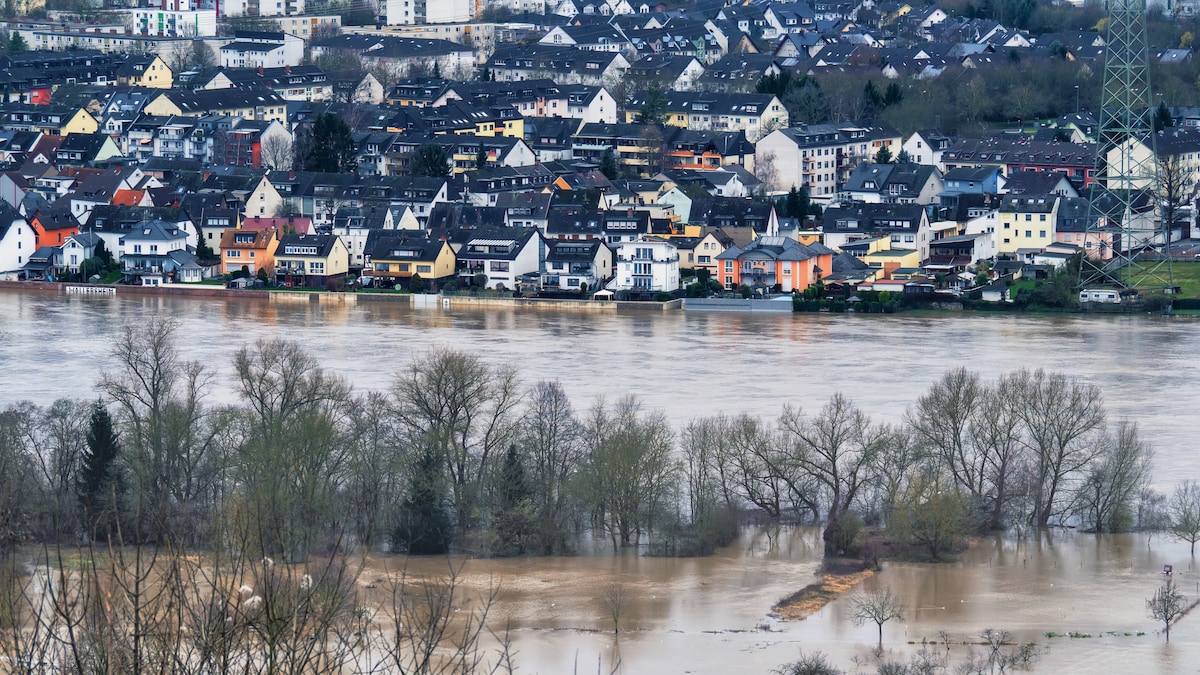
When Weather Becomes a Financial Threat: A Homeowner's Guide to Insurance and Protection
Extreme weather events are no longer rare occurrences but a new normal. From torrential rains in Bavaria to heatwaves in the Rhineland and storms along the North Sea, their frequency and intensity are undeniably increasing. This trend is confirmed by data from the German Weather Service and the rising damage claims reported by insurers. For homeowners, this translates into a direct and growing financial risk. This guide, informed by insurance expert Bastian Kunkel, explains the current landscape, the strain on insurance systems, and the crucial steps you must take to protect your property and finances.
The Rising Cost of Climate: Soaring Damage Claims
The numbers are stark. According to the German Insurance Association (GDV), natural hazards caused approximately €6 billion in damages in 2024—double the long-term average. Regions hit by flash floods or severe hailstorms saw landscapes devastated within minutes. This escalating risk is directly impacting your wallet through higher insurance premiums.
Why Your Home Insurance Premiums Are Skyrocketing
Insurance is based on risk calculation. As the risk of weather-related damage grows, so do the premiums, especially for homeowners insurance (Wohngebäudeversicherung).
- Risk Zone Reclassification: Properties are assessed using systems like ZÜRS. If new flood risk maps show your previously "safe" area is now more vulnerable, you could be reclassified into a higher-risk zone (e.g., Zone 4), causing premiums to double or triple.
- Market Withdrawal: In some high-risk regions, insurers are already refusing to take on new customers, creating potential coverage gaps.
This situation raises a critical question: Can the private insurance market alone handle the scale of future climate risks?
The Coverage Gap: Are You Actually Protected?
Here's a alarming fact: only about 50% of residential buildings in Germany are insured against elemental damages like floods, heavy rain, or landslides. A standard homeowners policy typically covers only fire, water damage from burst pipes, and storm (with limitations). Without a specific Elementary Damage Add-on (Elementarschadenversicherung), you are financially exposed to these growing threats.
Potential Solutions: Mandatory Coverage and Systemic Reform
Following the catastrophic floods of 2021, the debate around a mandatory elementary damage insurance has intensified. A compulsory system could spread risk more broadly (similar to principles behind the US National Flood Insurance Program) and simplify post-disaster recovery. However, it must be designed fairly to avoid overburdening homeowners in high-risk areas.
Models like Switzerland's, with uniform premiums and a solidaric risk pool managed by cantonal insurers, are being studied. In Germany, a three-tier reform concept is under discussion:
- Promoting Prevention: Incentives for protective measures like backflow valves and waterproofing.
- Increasing Coverage: Measures to boost the number of insured properties.
- Creating a Solidarity Fund: A state-backed mechanism to cover catastrophic losses that exceed the private market's capacity.
Your Action Plan: Prevention and Smart Insurance Review
While systemic reforms are debated, you must act now. The most effective strategy combines physical prevention with informed insurance coverage.
| Action Area | Specific Steps for Homeowners | Goal |
|---|---|---|
| Risk Assessment & Insurance Check | 1. Review your current policy: Does it include Elementarschaden coverage? 2. Check your property's official risk zone (e.g., via ZÜRS or Hochwasserpass). 3. Compare quotes, but prioritize insurers with financial stability. | Ensure no gaps in coverage for floods, heavy rain, landslides. |
| Physical Prevention (Loss Prevention) | 1. Install backflow prevention valves (Rückstauklappen). 2. Seal basement windows and doors. 3. Elevate electrical systems and heating units in flood-prone areas. 4. Maintain gutters and direct downspouts away from the foundation. | Minimize potential damage and potentially lower your insurance premium. |
| Long-Term Planning | 1. Factor in climate resilience for any renovations. 2. Support local community efforts for better flood defenses and green spaces (which absorb rainwater). | Future-proof your property's value and insurability. |
The Big Picture: Insurability as a Societal Challenge
Insurers and reinsurers warn that the fundamental principle of risk distribution is under threat when extreme events affect vast regions simultaneously. Without concerted efforts in prevention, risk management, and possibly state support, an "insurance gap" could emerge where coverage becomes unaffordable or unavailable for entire areas.
As Bastian Kunkel summarizes: "The insurability of climate risks is a societal task. Only through prevention, education, and a fair insurance system can we manage the growing damage in the long term."
Conclusion: Don't Wait for the Next Storm
Climate change has moved from an abstract future concern to a present-day financial risk for property owners. Proactive measures are no longer optional but essential for protecting your largest investment. Start by reviewing your insurance policy today, invest in sensible prevention, and stay informed about regulatory changes. Your financial stability may depend on it.
About the Expert: Bastian Kunkel, founder of "Versicherungen mit Kopf," is a leading insurance expert. His agency, VMK Versicherungsmakler GmbH, is consistently ranked among Germany's top brokers.