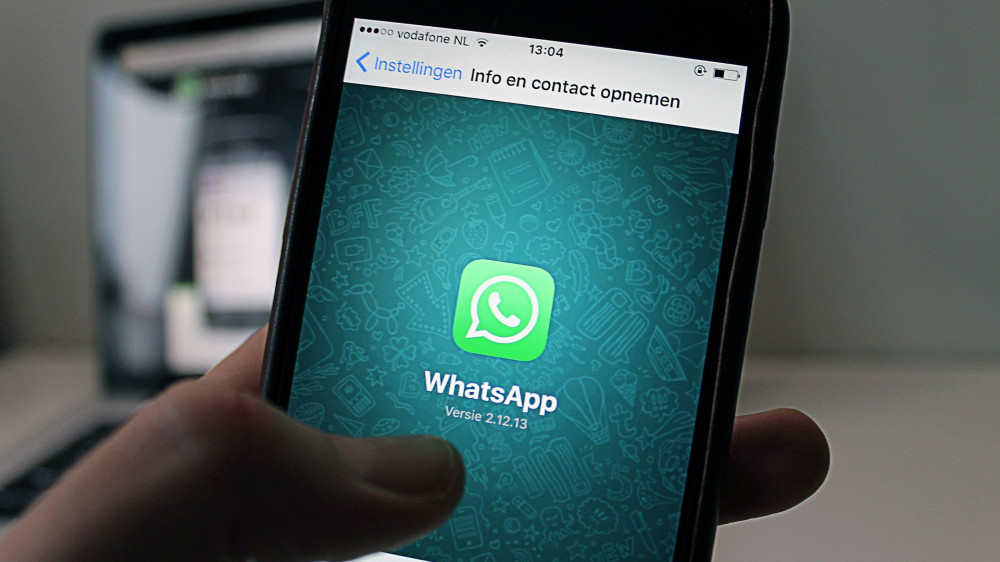
Why Insurance Brokers Must Ban WhatsApp: GDPR Violations and Data Security Risks
As an insurance broker or agent, you strive for professionalism and trust. You likely compare your practice to that of lawyers or doctors. But have you considered that your daily client communication tool might be undermining that very professionalism and exposing you to significant legal risk? Using WhatsApp for business purposes is not just informal—it's a direct violation of data protection laws like the GDPR. This isn't a minor technicality; it's a fundamental breach of your duty to protect client data and maintain regulatory compliance.
You may rely on WhatsApp for its convenience and reach. However, this convenience comes at a high cost: the integrity of your insurance brokerage and the security of sensitive client information. Let's examine the critical reasons why you should ban WhatsApp from your professional toolkit immediately.
The Core Legal Problem: WhatsApp as an Unlawful Data Processor
When you use WhatsApp to discuss policies, claims, or personal client details, you are processing personally identifiable information (PII). Under the GDPR, WhatsApp acts as a data processor on your behalf. This relationship requires a legally binding Data Processing Agreement (DPA) that meets strict EU standards.
Here’s the problem: WhatsApp's standard terms of service explicitly prohibit commercial use, making a valid DPA impossible. Even WhatsApp Business, while offering a DPA, provides an agreement that fails key GDPR requirements—such as granting you necessary audit rights to verify their compliance. Therefore, using either version means operating without a legally sound DPA, constituting a formal GDPR violation from the start.
The Transatlantic Data Transfer Dilemma
The legal issues deepen considerably. WhatsApp, owned by Meta, transfers data—including metadata like phone numbers and timestamps—to servers in the United States. Following the landmark Schrems II ruling by the European Court of Justice, the U.S. is classified as an "unsafe third country" for EU data due to insufficient privacy protections against government surveillance.
To legally transfer data to the U.S., you must rely on specific GDPR mechanisms. The standard adequacy decision is void. The alternative of obtaining explicit client consent (Article 49) is practically unworkable: you would need to inform clients in detail about the risks of U.S. data transfers before any communication and get their written consent for each transfer—a process that is neither feasible for regular communication nor inspires client confidence.
Professionalism and Practical Compliance Failures
Beyond legality, consider professionalism and practical compliance:
- Record-Keeping Obligations: Client communications are subject to strict record-keeping laws (like GoBD in Germany). WhatsApp chats are rarely archived in a compliant, tamper-proof manner. A simple PDF printout will not satisfy a tax audit.
- 24/7 Expectations: Does offering communication via WhatsApp align with a professional advisory relationship, or does it create unsustainable expectations of constant availability?
- Security Vulnerabilities: While message content is encrypted, metadata is not. Furthermore, the app's access to a device's entire contact list poses an additional, uncontrolled data privacy risk.
The Real-World Risks for Your Insurance Business
You might think, "My clients don't care," or "The authorities will never check." This is a dangerous assumption. Risks include:
- Client Data Subject Access Requests (DSARs): An increasing number of clients, especially dissatisfied ones, exercise their right to ask what data you hold. You must disclose WhatsApp communications, revealing your non-compliant practice and potentially triggering a report to the supervisory authority.
- Substantial Fines: GDPR violations can lead to fines of up to €20 million or 4% of global annual turnover.
- Reputational Damage: A data privacy scandal can destroy the trust you've built with your clients and partners.
- Liability in Data Breaches: If a breach occurs via WhatsApp, you are fully liable for the consequences.
Secure Alternatives for Professional Client Communication
The good news is that banning WhatsApp does not mean abandoning digital communication. It means upgrading to secure, compliant solutions. You should invest in professional tools designed for financial services and insurance consulting. Look for platforms that offer:
- End-to-end encrypted messaging.
- Compliant, automated archiving integrated with your CRM.
- Clear DPAs with the service provider.
- Data storage within the EU/EEA.
Many forward-thinking brokers have already made the switch. They report no loss in business—instead, they gain enhanced security, a more professional image, and peace of mind.
Actionable Steps for Your Brokerage Today
- Immediately Cease using WhatsApp for all client-related business.
- Inform Your Clients about the switch to a more secure communication channel, framing it as an upgrade to their data security.
- Implement a Compliant Tool and ensure your team is trained on its use.
- Review and Update your privacy policy and internal data processing procedures.
Holding onto WhatsApp is a liability, not a strategy. True digital transformation in insurance isn't about using popular apps; it's about leveraging technology that reinforces trust, security, and compliance. By banning WhatsApp, you protect your clients, your business, and your professional reputation.
Insurers and brokers struggle with high backlogs in claims management, increasing claim frequencies, a shortage of skilled professionals, and growing customer expectations. Manual processes are expensive and slow.