The German Long-Term Care Crisis: Two Opposing Visions for Reform
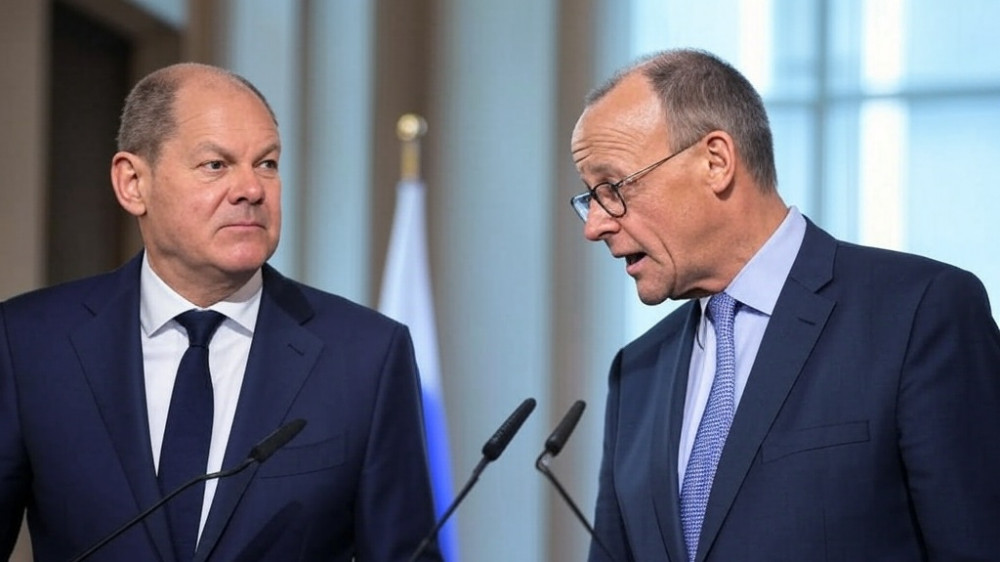
In Germany, the future of long-term care insurance (Pflegeversicherung) has become a central political battleground. With the number of people receiving benefits nearly doubling since 2015 to over 5.2 million, the system is under severe financial strain. The average out-of-pocket cost for a nursing home bed has now reached 3,248 euros per month, pushing many seniors and their families to the brink. In this critical election year, Chancellor Olaf Scholz (SPD) and opposition leader Friedrich Merz (CDU) have presented diametrically opposed plans to rescue the system, setting the stage for a fundamental debate on solidarity, personal responsibility, and the future of elder care financing.
The Stark Reality: Rising Costs and a Demographic Challenge
The statistics paint a clear picture of the crisis. Beyond the soaring personal co-payments, nearly one in two nursing home residents now relies on social welfare (Sozialhilfe) to cover their costs. In 2023, public spending on this means-tested "help with care" (Hilfe zur Pflege) surged by 27.4% to nearly 4.5 billion euros. This trend underscores that the existing public long-term care insurance, a pillar of the German social safety net, no longer covers the full cost of care, creating a massive burden for individuals and public budgets alike.
Plan A: Scholz's "Solidarity Link" Between Public and Private Systems
Chancellor Olaf Scholz's proposed solution centers on a "Solidaritätsverschränkung" (solidarity link). His plan has two key pillars:
- Cross-Subsidization: Redirecting a portion of the premiums from the private long-term care insurance (held by civil servants, self-employed, and high-earners) into the public, pay-as-you-go (umlagefinanziert) statutory system.
- Cost Cap: Limiting out-of-pocket costs for nursing home care to a maximum of 1,000 euros per month for the care recipient.
The goal is to provide immediate relief for all contributors and protect families from financial ruin. However, the private insurance industry vehemently opposes this as a "unconstitutional levy." Florian Reuther, director of the German Association of Private Health and Long-Term Care Insurers (PKV-Verband), argues it represents a massive intrusion into the funded capital of private policyholders. He cites a 2006 government review that found such a financial transfer constitutionally problematic. The PKV estimates the plan would cost private insurers about 2 billion euros annually, leading to premium hikes of up to 17%, while offering public policyholders only marginal relief of about 2.86 euros per month on average.
Plan B: Merz's Mandatory Private Add-On Insurance
CDU leader Friedrich Merz advocates for a fundamentally different, market-oriented approach. His core proposal is a mandatory private add-on long-term care insurance (verpflichtende private Zusatzversicherung) for everyone. This would operate alongside the basic public coverage, creating a layered system:
- Layer 1: The existing public long-term care insurance provides a base level of benefits.
- Layer 2: A new, mandatory privately-funded policy covers the gap between public benefits and actual care costs.
Merz argues this capital-funded (kapitalgedecktes) model would prevent future contribution explosions in the public system, enhance intergenerational fairness, and protect Germany's economic competitiveness by avoiding further increases in the total social security contribution rate (currently at 42%). This vision aligns closely with the PKV-Verband's own proposals for a new "generational contract for care."
The critical risk of this model is its potential regressive impact. A mandatory private premium could disproportionately burden low-income earners and pensioners, for whom even a modest additional fixed cost could be unsustainable.
Analysis: A Debate with Parallels to US Long-Term Care Challenges
For an American audience, this German debate mirrors the ongoing US crisis in financing long-term care. The German public Pflegeversicherung is somewhat analogous to a limited, universal version of Medicaid's long-term care benefits, but with broader eligibility. The proposed private add-on insurance resembles discussions in the US about making private Long-Term Care Insurance (LTCI) more widespread or even mandatory to reduce future Medicaid liabilities.
The core conflict is universal: How do societies balance collective solidarity with individual responsibility when facing the enormous, unpredictable costs of aging? Germany's political clash between Scholz's "solidarity link" and Merz's "mandatory add-on" encapsulates this global dilemma.
Conclusion: An Urgent Need for Sustainable Solutions
Both German proposals acknowledge that the status quo is untenable. The soaring reliance on social welfare proves the system is broken. Whether the solution lies in deepening solidarity within the existing framework or mandating individual capital accumulation through private markets is the central question for voters.
For families planning their future in Germany or observers abroad, this debate highlights the critical importance of personal long-term care planning. Regardless of which political path Germany chooses, the lesson is clear: relying solely on public systems for full long-term care coverage is increasingly risky. Exploring supplemental private options, whether voluntary or potentially future-mandated, is becoming an essential part of comprehensive financial and retirement planning in the face of a global aging population.