Hail Damage Car Repair Nightmare: How to Navigate Insurance Delays and Get Your Car Back
Imagine a violent hailstorm shredding through your town. In minutes, your car is left covered in dents with shattered windows. You have comprehensive auto insurance (known as Teilkasko in Germany), so you think you're covered. But what happens when getting your car repaired turns into a year-long odyssey of excuses, delays, and dead ends? This is the reality for many after a major weather event. We examine a real case from Bavaria to highlight the pitfalls in the car insurance claims process and give you actionable steps to protect yourself.
The Storm and The Promise: A Hail Damage Claim Begins
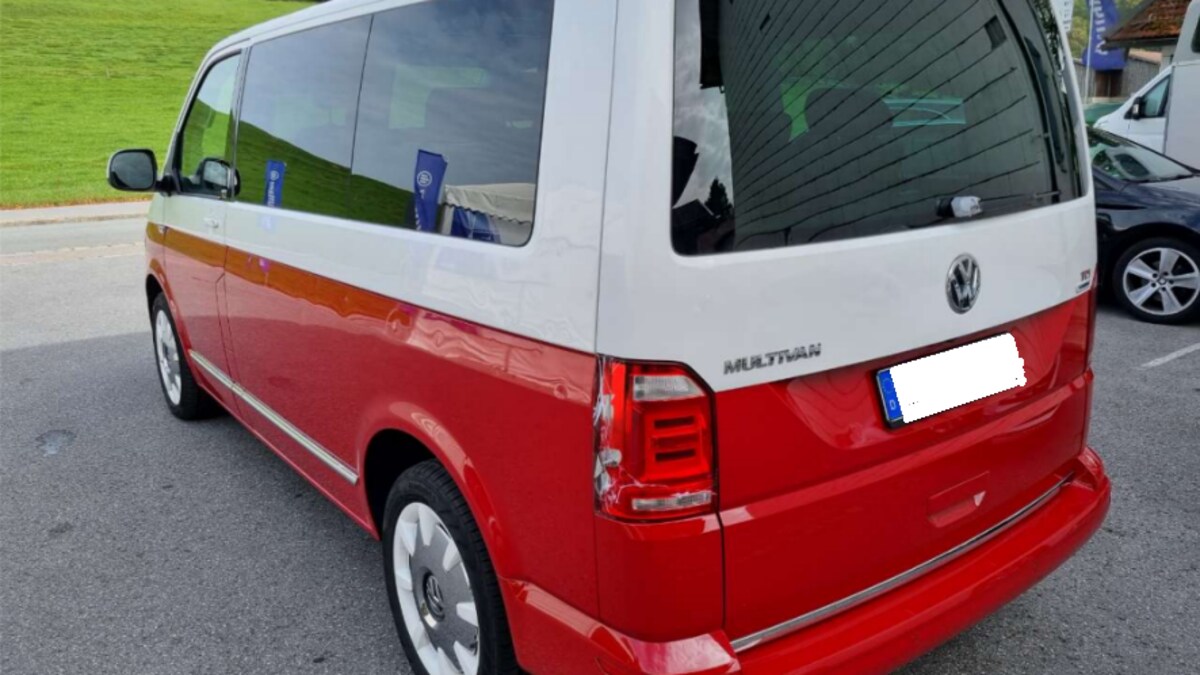
In August 2023, a devastating hailstorm hit the Tegernsee region in Bavaria. The damage was widespread: over 20,000 vehicles in the district alone were affected, with dents, broken lights, and cracked windshields. One victim, Carl J.*, owned a Volkswagen Transporter T6. His damage assessment came to €20,000. He filed a claim with his insurer, Allianz, under his comprehensive coverage, expecting a straightforward repair.
This is where the standard process broke down. Due to a network repair shop clause in his policy, he was directed to the insurer's partner, KHS (Know-How-Systems). What should have been a matter of weeks stretched into months, then over a year, involving multiple workshops across Bavaria, unfulfilled promises, and a severe lack of communication.
Anatomy of a Delay: Where the Car Repair Process Broke Down
Carl's experience reveals common failure points in large-scale auto insurance claims after natural disasters:
| Stage | What Happened | The Customer Impact | Red Flag / Lesson |
|---|---|---|---|
| Initial Assessment & Assignment | Claim filed, assessment done. Car assigned to insurer's network partner (KHS). | Process seemed normal initially. | Network shops can become bottlenecks after mass casualty events. |
| Parts Procurement | Multiple delays: roof panel ordered, arrived damaged, re-ordered, delayed again. | Months of waiting with no clear timeline. | Insurers and their partners may have inadequate supply chain plans for OEM parts after disasters. |
| Workshop Logistics | Local workshop closed; car shipped to a workshop in Ulm, 200 km away. | Loss of control and visibility. Impossible to check on progress. | Your car can be moved far without your consent, complicating oversight. |
| Communication Blackout | Excuses (sick leave, vacation), missed deadlines, no written updates, only phone calls. | Total loss of trust. Customer left in the dark for weeks. | Always demand written communication. Verbal promises are not trackable. |
| Rental Car Issues | Provided a small, manual transmission car unsuitable for family needs for many months. | Daily hardship and inability to take planned family vacations. | Understand your rental car coverage limits and advocate for comparable replacement. |
| Escalation & Resolution | Only after media inquiry did the insurer apologize and offer a proper rental car. | Resolution forced externally after nearly a year of frustration. | You may need to escalate to management, regulators, or media to get action. |
Your Action Plan: How to Avoid a Hail Damage Repair Nightmare
Don't let this happen to you. Be a proactive policyholder. Here is your step-by-step guide to managing a hail damage insurance claim effectively:
- Document Everything Immediately: Right after the storm, take clear, date-stamped photos and videos of all damage from multiple angles. This is your evidence.
- Know Your Policy's Fine Print: Before a storm hits, review your policy. Do you have a direct repair program (DRP) or network shop clause? In the U.S., this is akin to insurers partnering with specific collision repair networks. Know if you are required to use them or if you have the right to choose your own repair shop (which can sometimes lead to better service).
- Get Everything in Writing: From the initial estimate to all communication with the adjuster and repair shop, insist on email. A paper trail is crucial. Never rely solely on phone calls.
- Ask the Right Questions:
- What is the detailed repair timeline?
- Who is responsible for ordering parts, and what are the part numbers?
- What is the procedure if there are delays?
- What are my rental car entitlements? Is there a car class or duration limit?
- Escalate Early and Effectively: If delays start, don't wait. Contact your insurance agent directly. Then escalate to the insurer's claims management. Use social media or regulatory bodies (like your state's Department of Insurance in the U.S.) if necessary.
- Consider an Independent Appraisal: If you disagree with the insurer's assessment of the damage or repair cost, you have the right to an independent appraisal, a clause common in U.S. and German policies.
Understanding the Insurer's Challenge: Volume vs. Service
It's important to recognize the scale insurers face. In this case, Allianz processed 60,000 hail claims in one year. This volume strains claims adjuster teams, repair networks, and parts supply chains. However, as the insurer eventually admitted, volume is not an excuse for a breakdown in communication and basic customer service. Your policy is a contract for service, especially when you need it most.
U.S. Comparison: Comprehensive Coverage and Catastrophe Teams
For American readers, this scenario involves your comprehensive auto insurance coverage, which protects against non-collision events like hail, flood, and theft. After a major storm, U.S. insurers deploy catastrophe (CAT) teams of adjusters to handle the surge. Delays can still happen due to parts shortages or backed-up body shops. The key lessons—documentation, written communication, and knowing your policy rights—are universally applicable.
The Bottom Line: Be Your Own Advocate
Hailstorms are becoming more frequent and severe. While you can't control the weather, you can control how you respond to an insurance claim. Arm yourself with knowledge, maintain meticulous records, and communicate persistently. Remember, you paid your premiums for protection and service. Don't accept endless delays as the norm. By following the steps above, you can significantly increase your chances of a smoother, faster repair process and get back on the road without a year of headaches.
*Name changed to protect privacy. This article is based on a real case reported by FOCUS online. The details are illustrative of systemic issues that can occur in auto insurance claims after widespread natural disasters.