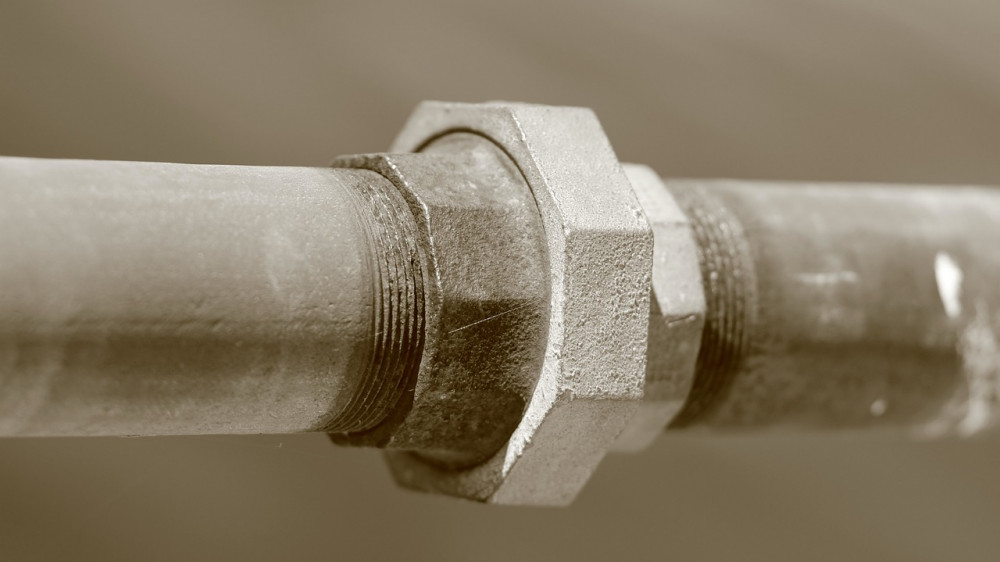
Understanding Homeowners Insurance Coverage: When Are Water Pipes & Supply Lines Protected?
As a homeowner, you rely on your insurance policy to protect your most valuable asset. But what happens when damage occurs from a burst pipe outside your home? A recent case reviewed by the German Insurance Ombudsman highlights a critical coverage question many property owners face: Are water supply pipes always covered under standard homeowners insurance? The dispute centered on a burst rainwater pipe and resulted in nearly €9,000 in damages. This real-world example provides essential lessons for homeowners in Germany, the United States, and beyond.
The Case: A Burst Rainwater Pipe and an Insurance Dispute
A homeowner discovered that a rainwater pipe leading to an underground cistern near their property had burst. The resulting water accumulation caused significant moisture damage to the building's exterior walls. The homeowner filed a claim with their homeowners insurance (Wohngebäudeversicherung), arguing that both the cistern and the supply pipe were part of the property's water system and should therefore be covered.
The insurance company acknowledged that the cistern itself was an insured component of the property. However, they denied the claim for the pipe, arguing that it did not qualify as a "supply pipe" under the policy terms. Their reasoning: the rainwater merely seeped into the ground and was not used for the building's water supply.
The Investigation: How Usage Determines Coverage
Upon inspection, a different story emerged. The investigation revealed that the rainwater collected in the cistern was actually pumped through a submersible pump and pipes to an outdoor faucet used for garden irrigation and cleaning purposes. This active usage proved crucial to the case.
The Insurance Ombudsman clarified the policy interpretation: According to standard German homeowners insurance conditions, damage to supply pipes outside the building is covered if they serve a water supply function. Importantly, the water does not need to be used for domestic purposes (like drinking or bathing). The key factor is whether the pipe enables the economically sensible movement and use of water.
Since the pipe facilitated the useful application of rainwater for irrigation, it met this definition. Faced with this interpretation, the insurance company ultimately approved the claim and covered the €9,000 repair cost.
Key Insurance Lessons for Homeowners
1. Understand Your Policy's Definition of "Supply Pipe"
Insurance policies contain specific definitions. Don't assume all pipes on your property are automatically covered. Review your policy documents or ask your agent to clarify:
- What exactly qualifies as a "supply pipe" or "water conduit"?
- Are there exclusions for certain types of pipes (e.g., drainage-only pipes)?
- Does coverage extend to pipes outside the main building footprint?
2. Document the Purpose and Usage of All External Systems
As this case shows, usage determines coverage. Maintain clear records of how all external water systems function:
- Take photos of pumps, faucets, and irrigation systems connected to cisterns or wells.
- Keep manuals or diagrams showing water flow.
- Note regular uses (e.g., "rainwater from cistern used to water garden and wash vehicles").
This documentation can be invaluable if you need to prove a pipe's function during a claim.
3. Proactively Review Coverage with Your Insurance Advisor
Before a loss occurs, discuss your property's specific features with your insurance broker or agent. Mention:
- Rainwater collection systems, cisterns, or wells
- Irrigation systems
- External pumps or water treatment equipment
- Any pipes running under driveways, gardens, or outbuildings
This ensures your policy is endorsed or structured to cover these elements appropriately.
Comparative Perspective: Germany vs. United States Homeowners Insurance
While this case involves German insurance (Wohngebäudeversicherung), the principles are relevant internationally. Here's a brief comparison:
| Aspect | German Homeowners Insurance (Typical) | US Homeowners Insurance (Typical HO-3 Policy) |
|---|---|---|
| Coverage for External Pipes | Often included for "supply pipes" if they serve a useful water movement function. | Service lines (pipes from street to house) often require separate endorsement or utility line coverage. Irrigation systems may have limited coverage. |
| Water Damage from Burst Pipes | Generally covered under "Leitungswasser" (water damage) component. | Covered under standard policy for sudden & accidental discharge (e.g., burst pipe). |
| Key Consideration | Definition of "supply" and proof of useful function. | Location of pipe (on-premises vs. off-premises) and specific endorsements. |
Action Step for US Homeowners: Review your policy for "service line coverage" or consider adding a "utility line endorsement" if you have extensive external piping, wells, or irrigation systems.
4 Practical Steps to Protect Your Property
- Conduct a Property Inventory: Walk your property and map all water lines, pipes, cisterns, and irrigation systems.
- Schedule a Coverage Review: Meet with your insurance advisor annually to discuss any changes to your property and ensure adequate coverage.
- Understand Policy Limits and Deductibles: Know what your policy pays for water damage and what your out-of-pocket costs would be.
- Preventative Maintenance: Regularly inspect external pipes, especially before freezing seasons, to prevent bursts.
Conclusion: Clarity Prevents Conflict
The €9,000 pipe case underscores a universal insurance truth: clear definitions and documentation prevent disputes. As a homeowner, your responsibility extends beyond paying premiums. You must understand what your policy covers and ensure that unique property features are properly declared and protected.
Whether you own a home in Germany with a rainwater harvesting system or a property in the United States with an elaborate irrigation network, the lesson is the same. Proactively communicate with your insurance provider, document your systems' uses, and review your coverage regularly. This due diligence transforms your insurance from a mere contract into a reliable safety net, giving you peace of mind that your home and investments are truly protected.
Disclaimer: This article provides general information only. Always consult your specific insurance policy documents and a licensed insurance professional for advice regarding your individual situation and coverage needs.