What to Eat When You Have a Cold: Separating Fact from Fiction
Cold and flu season arrives every year, bringing the inevitable question: Can what you eat protect you or help you recover faster? While the idea of an "anti-cold diet" is appealing, nutritional science offers no definitive proof that specific foods can prevent illnesses like the common cold, flu, or COVID-19. There is no guaranteed dietary shield. This reality mirrors a key principle in healthcare: just as there's no magic food for immunity, there's no one-size-fits-all health insurance plan. However, informed choices in both nutrition and medical insurance can support your overall well-being and prepare you for managing health challenges, potentially reducing the need for extensive medical interventions covered by your private health insurance or government programs like Medicare.
The field of nutritional science faces limitations in proving direct cause-and-effect relationships. We lack concrete evidence to categorically label foods as "healthy" or "unhealthy" in the context of preventing specific illnesses. However, a concept known as "phytopharmacological probability" suggests that certain plant-based foods contain potent compounds. While evidence for their immune-boosting or antibiotic effects in humans often doesn't extend beyond laboratory studies, incorporating them into your diet is a low-risk, potentially beneficial practice—similar to utilizing the preventive care benefits (like annual check-ups) typically included in comprehensive health insurance plans.
Potential Power Players: Garlic, Chili, and Other Pungent Foods
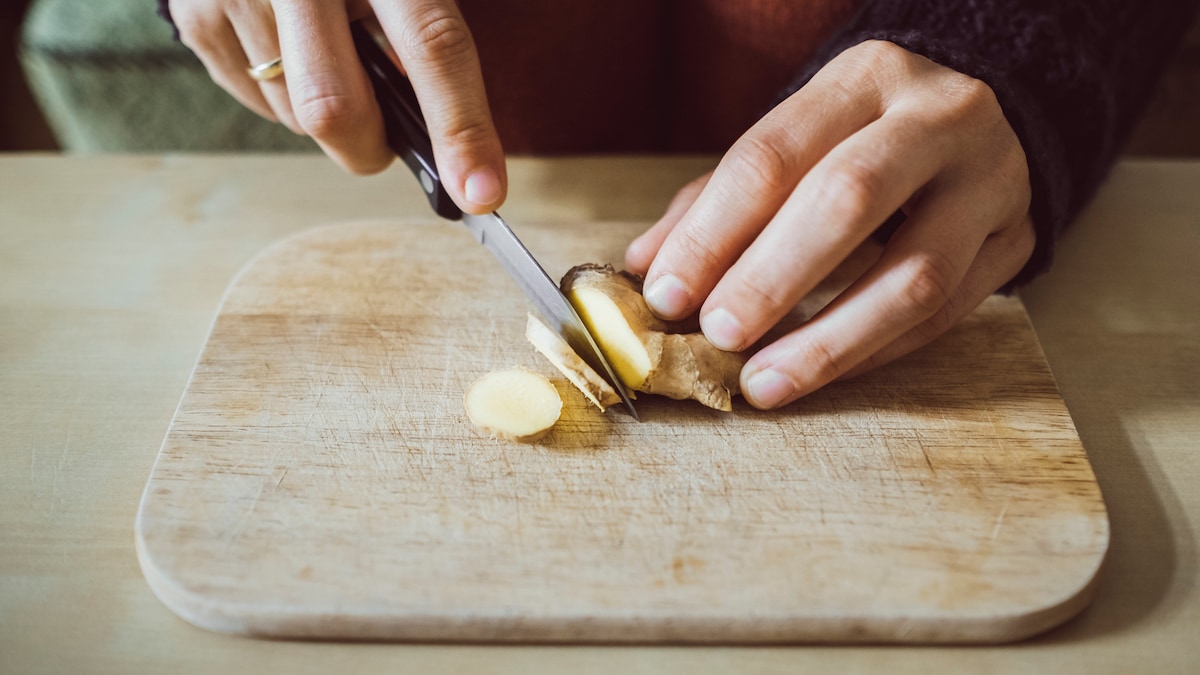
Foods like garlic (often called "phyto-penicillin"), chili, onions, pepper, horseradish, mustard, and ginger contain sharp, bioactive compounds. These substances may offer a wealth of health benefits. For instance, ginger contains gingerol, a bioactive substance responsible for its distinctive spice. Enjoying these flavorful ingredients means consuming a cocktail of pharmacologically active plant metabolites that could contribute to robust health. The approach here is one of supportive, holistic wellness—complementing, not replacing, professional medical care that your medical insurance facilitates.
Listening to Your Body: The Key When You're Sick
When you have a cold, your appetite often diminishes. This is a critical time to practice intuitive eating. Listen intently to your body's signals. What does it crave in this vulnerable state? Eat and drink only what feels right. This mindful approach helps you nourish yourself with precisely what your body needs to recover, preventing unnecessary strain. Think of this as the dietary equivalent of using your health insurance wisely: accessing the specific care (or nutrients) you need, without overutilizing unnecessary services (or foods).
Debunking Common Cold & Diet Myths
| Common Belief | What the Evidence Says |
|---|---|
| Vitamin D supplements prevent winter colds. | Major medical societies do not recommend general Vitamin D supplementation for cold prevention due to a lack of conclusive evidence. |
| Ginger tea is a proven shield against colds. | While lab studies are promising, there is no scientific proof that drinking ginger tea prevents colds. Note: Ginger is potent and not suitable for everyone (e.g., some with gastrointestinal conditions). |
| An "anti-cold diet" exists. | No scientifically secured diet can prevent respiratory infections. Focus shifts to supportive overall health. |
The Real Foundations of Immune Support
Rather than chasing unproven dietary fixes, focus on evidence-based pillars of health that also contribute to long-term wellness and may influence your health insurance outcomes by preventing chronic issues:
- Prioritize Sleep: Sufficient, high-quality sleep is paramount for a resilient immune system.
- Manage Stress: Avoid chronic, unhealthy distress (distress). Less stress correlates with better immune function.
- Eat a Balanced Diet: Aim for an individualized, nutrient-rich diet that provides the vitamins and minerals your body requires. This is best achieved through intuitive eating: eating when physically hungry, choosing foods you enjoy and tolerate well, and stopping when comfortably full.
Combining your intuition with your ethical choices around food (a concept some call "Ethuition") can lead to a holistic eating pattern that nourishes both body and mind year-round. This proactive, preventive mindset towards health is directly analogous to smart insurance planning. By maintaining your health through good sleep, stress management, and balanced nutrition, you may reduce your risk of serious conditions, leading to better health and potentially lower long-term healthcare costs. Whether you're covered by private medical insurance in the USA or a public program, understanding and investing in preventive self-care is a crucial part of your overall health strategy. Always consult your doctor for personal medical advice and review your insurance coverage to ensure it supports your wellness goals.