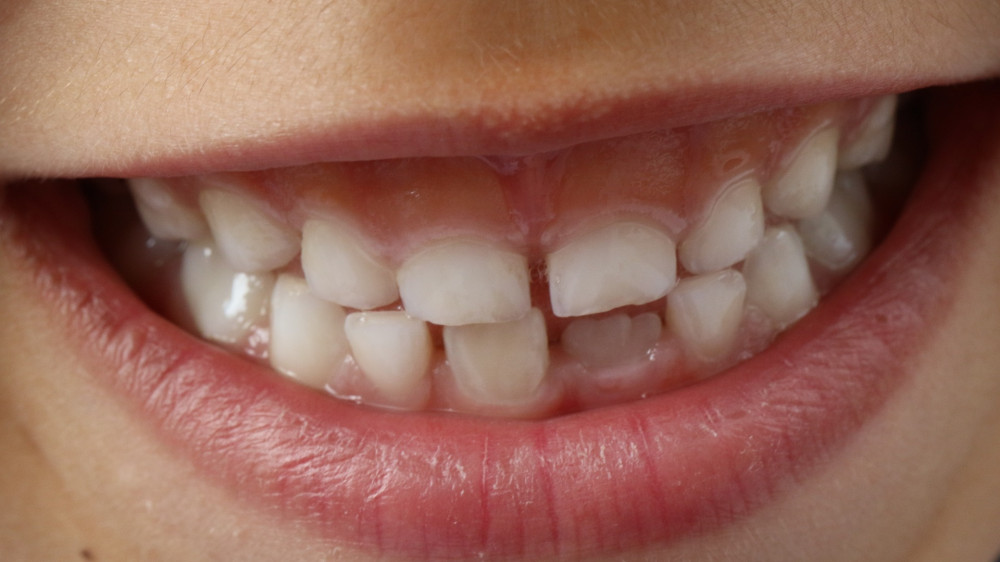
At the dentist, everyone would like to grit their teeth. Because when the dentist probes, it usually gets expensive. The fixed subsidies within the standard care for those with statutory health insurance cover only a small portion of the actual costs. Lucky are those who have a powerful and affordable supplemental dental insurance. However, Bianca Boss, Board Member of the German Insurance Consumer Federation (Bund der Versicherten, BdV), sees things quite differently. A BdV press release from early November suggests that supplemental dental insurance is only recommended for consumers who, due to poor dental health, must expect multiple treatments and high-cost dental prosthetics. Generally, these policies are considered unimportant. Aha.
Advertisement

Sure, in times of high inflation, exploding energy costs, and declining prosperity, it's obviously no problem for the average earner to quickly shell out a few thousand euros or even more for good dental work. They've got it. And the socially weaker population groups, who are often said to have bad teeth, should then take out supplemental dental insurance.
One could also raise the question of whether term life insurance is only recommended for people who, due to an unhealthy lifestyle, must expect an early demise. Or whether liability insurance is only advisable for people who, due to high clumsiness, stand out by excessively destroying other people's property.
The Financial Reality for Many Households
A look at the number of Germans with no financial reserves highlights the rationale for (dental) supplementary insurance: According to the Federal Statistical Office, almost one-third of the population in 2021 was unable to come up with around €1,000 or more for special expenses at short notice. Last year, two-fifths of people had to get by on an annual net income of less than €22,000. Single parents, in particular, often earn little.
Furthermore, Bianca Boss criticizes that supplemental dental policies rarely cover the entire out-of-pocket cost. The counterargument is that high-performance tariffs typically include various reimbursement levels for dental treatments, prophylaxis, pain relief, and prosthetics. The blanket dental add-on that pays for everything certainly exists. Insurance covers risks. Everyone must decide for themselves, under their own responsibility, what a risk is worth to them.
A Concrete Cost Example
An example: ZahnGesund 100, the tariff from Münchener Verein, was named Test Winner by Stiftung Warentest repeatedly this year. With this tariff, policyholders reduce their out-of-pocket costs at the dentist by 100% for prophylaxis, treatments, and prosthetics. A 35-year-old pays €31.80 per month. If our hypothetical customer needed an implant with an attached crown (cost €4,000), their statutory health fund would cover just €471. The remaining out-of-pocket amount of €3,529 would have to be paid from their own pocket. To follow Bianca Boss's suggestion of simply saving money for potential dental procedures: Our customer would have to save the monthly premium for over eight years to pay the full cost of the implant. And in those eight years, nothing else should happen to their teeth.
Why Supplemental Dental Insurance is Popular
Over 17 million people with statutory insurance have taken out a supplemental dental policy. It is thus the most popular health add-on insurance among Germans. Anyone who does not want to become a self-payer is well advised to take out a dental supplement.
The BdV is known for awarding the annual "Insurance Cheese of the Year" for the worst insurance product. I advocate for also introducing the "Advice Cheese of the Year" and already have a favorite.
Advertisement
Key Considerations for Choosing a Plan
When evaluating supplemental dental insurance, consider these factors:
- Coverage Scope: Does it cover only basic treatments, or does it include high-cost items like implants, crowns, and orthodontics?
- Reimbursement Level: Does it pay a percentage (e.g., 80-90%) or offer 100% coverage for certain services?
- Waiting Periods: Most policies have waiting periods (e.g., 3-8 months for basic treatments, longer for major work).
- Age and Health: Premiums are lower when you are younger and healthier. Pre-existing conditions may be excluded.
- Annual Maximums: Check the policy's annual payout limit.
A US Perspective: Dental Coverage Parallels
For American readers, this debate has direct parallels. In the US, standalone dental insurance is common, often offered separately from medical insurance. Key similarities include:
- Limited Basic Coverage: Similar to German statutory funds, basic US medical insurance (including Medicare) provides minimal to no routine dental coverage.
- High Out-of-Pocket Costs: Major procedures like implants or bridges can cost thousands of dollars.
- The Value of Supplemental Plans: Many Americans purchase separate dental insurance plans or discount plans to manage costs. Employer-sponsored plans are a common benefit.
- Medicare Advantage: Some Medicare Advantage (Part C) plans include dental benefits, but coverage varies widely.
The core lesson is universal: dental care is expensive, and basic public or employer health plans often leave significant gaps. Proactively securing supplemental coverage through a well-chosen dental insurance policy or add-on can prevent financial shock and ensure access to necessary care. Consulting with an independent insurance advisor can help you navigate the options and find a plan that fits your budget and health needs.
Insurers and brokers are struggling in claims management with high backlogs, increasing claim frequencies, a shortage of skilled workers, and growing customer expectations. Manual processes are expensive and slow.