Behind the Green Lid: The Unsettling Truth About Nutella's 'Sustainable' Supply Chain
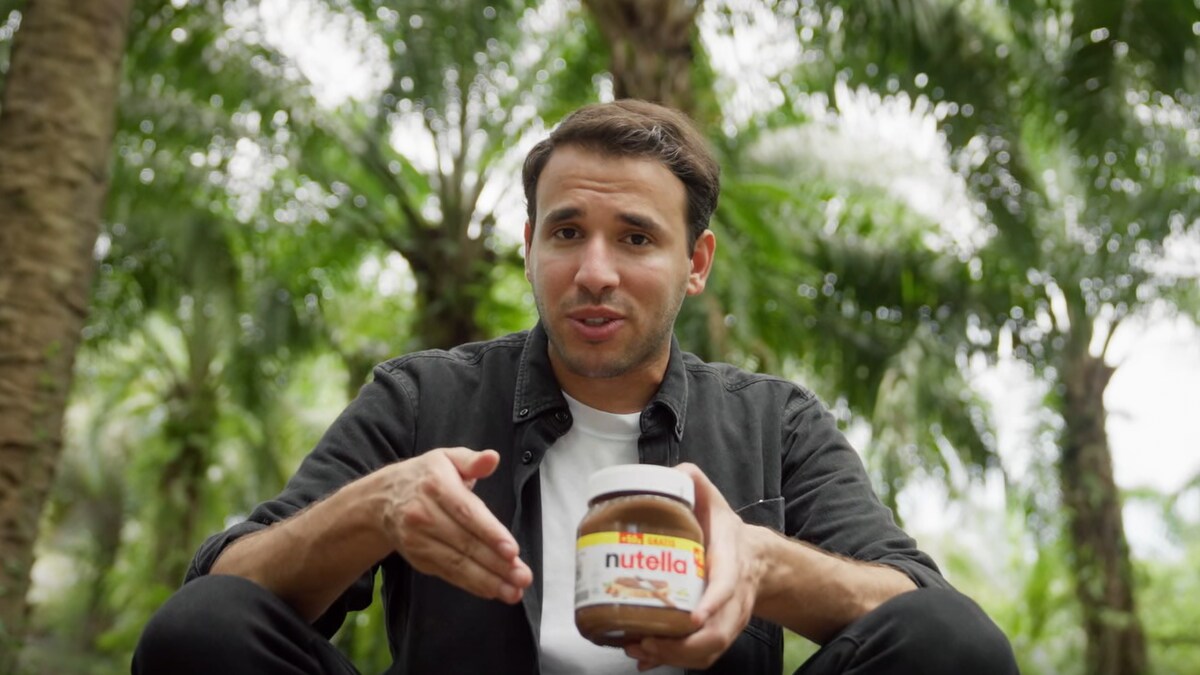
You've probably seen it on the shelf: the iconic Nutella jar with a new, green lid on its "Plant-Based" version, signaling a commitment to sustainability. In an era where consumers increasingly vote with their wallets for eco-friendly products, such branding is powerful. But what if that green promise is more fiction than fact? A hard-hitting ZDF documentary titled "Greenwashed? Nutella: Das grüne Märchen von Ferrero" (available in the ZDF media library) followed the supply chain across three continents. What reporter Sherif Rizkallah found stands in stark contrast to Ferrero's polished sustainability charter, which pledges no deforestation, no child labor, and "putting people at the heart of our supply chain."
Station 1: Italy's Hazelnut Monoculture – A Boost for Biodiversity?
The investigation starts in Italy's Lazio region, where Ferrero plans to cultivate hazelnuts on 90,000 hectares to become more regionally independent. While reducing transport miles sounds positive, environmental NGOs raise alarms. The creation of vast hazelnut monocultures threatens local ecosystems and biodiversity. Sandra Gasbarri, an environmental NGO worker, states bluntly: "I don't think Ferrero has the same understanding of sustainability as we do." The documentary links intensive hazelnut farming to algal blooms in Lake Vico, which produce toxic substances. Ferrero's written response to ZDF offered corporate platitudes but no concrete answers about on-the-ground environmental management.
Station 2: Malaysia's Palm Oil – The Broken Promise of Certification
Next, the trail leads to Malaysia, the world's second-largest palm oil producer. Ferrero sources 80% of its palm oil from Borneo, claiming sustainability through RSPO (Roundtable on Sustainable Palm Oil) certification. However, the documentary shows a different reality. Indigenous community leaders describe how RSPO-certified companies displace local populations, employing cheaper migrant labor instead. Mandatory buffer zones between plantations and rivers are ignored. Community members state they have never seen a Ferrero representative. Ferrero's response acknowledged "concerns" about certification systems but took no responsibility for enforcement, effectively shrugging off the issues.
Station 3: Ivory Coast's Cocoa – Empty Promises of Support
The final stop is the Ivory Coast, a major cocoa source. An activist named Galo in San Pédro claims Ferrero sources cocoa from protected areas—directly contradicting its no-deforestation pledge. When asked about Ferrero's promised support for education, healthcare, and water infrastructure, community members express resignation: "They are up there, we are down here." Ferrero again responded with generic statements about monitoring its value chain, offering no evidence of tangible improvements on the ground.
| Sustainability Claim | Documentary Finding | Location |
|---|---|---|
| No deforestation in supply chain. | Evidence of cocoa sourcing from protected areas. | Ivory Coast |
| Promotes biodiversity & environmental protection. | Hazelnut monocultures linked to water pollution and ecosystem harm. | Italy (Lazio) |
| Uses certified sustainable palm oil (RSPO). | RSPO certification fails to prevent land disputes, labor issues, and river pollution. | Malaysia (Borneo) |
| Puts "people at the heart" of the supply chain. | Indigenous communities displaced; promised local support is absent. | Ivory Coast & Malaysia |
The Bigger Picture: Greenwashing and Consumer Choice
This investigation highlights a pervasive issue: corporate greenwashing. It's the practice of making misleading claims about the environmental benefits of a product to appeal to conscious consumers. The EU has been quick to legislate against terms like "veggie sausage" to protect the meat industry, yet seems slow to crack down on potentially far more deceptive environmental marketing by corporate giants.
As a consumer, you have the right to transparent information. Your purchasing decisions are a form of advocacy. When companies use green marketing without substantive action, it undermines trust and hinders genuine progress toward sustainable agriculture and ethical sourcing.
What Can You Do?
- Be a Skeptical Shopper: Look beyond green packaging and buzzwords like "natural" or "eco-friendly." Seek out third-party certifications from rigorous organizations (though, as shown, these can be flawed).
- Support Transparency: Favor brands that provide detailed, verifiable information about their supply chains and impact.
- Reduce Consumption: Sometimes the most sustainable choice is to consume less of resource-intensive products altogether.
Conclusion: The ZDF documentary paints a sobering picture of the gap between Ferrero's sustainability rhetoric and the reality for ecosystems and communities within its supply chain. The green lid on Nutella Plant-Based appears to be a classic case of greenwashing, designed to appeal to your conscience without making the deep, systemic changes required for true sustainability. As consumers demand better, the hope is that investigations like this will pressure all corporations to move from empty promises to accountable, verifiable action. Your awareness and choices are the first step in driving that change.