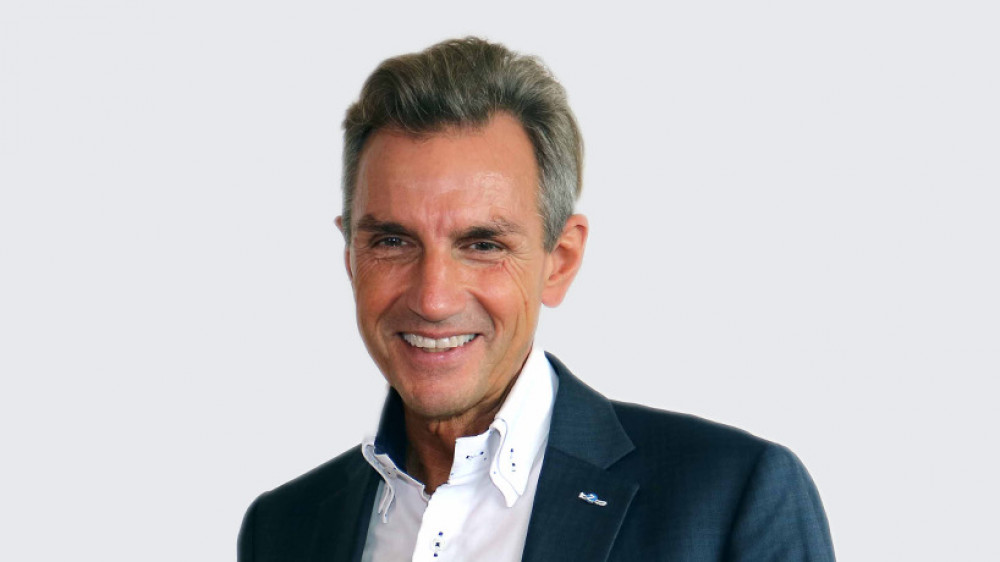
Why Zurich's HR Leader Joining the Board is a Strategic Game-Changer
You are witnessing a significant shift in corporate leadership philosophy within the insurance industry. Zurich Gruppe Deutschland has made a decisive move by promoting its long-serving HR leader, Uwe Schöpe, to its Executive Board with immediate effect. This isn't just a promotion; it's a powerful statement about the strategic priority of human capital management, organizational culture, and talent development in navigating the future of insurance. In an era defined by digital disruption and a fierce war for talent, placing HR at the highest decision-making table is a critical strategic advantage.
From Interim to Integral: The Rise of Uwe Schöpe
Uwe Schöpe's journey at Zurich is a testament to internal growth and deep institutional knowledge. A trained insurance salesman and business IT specialist, he initially took over the role of Head of HR on an interim basis in December 2017 from Alexander Libor. By July 2018, his position was made permanent. Now, his 40-year career with the company—spanning roles from leading the in-house Academy in Bonn to serving as Head of Zurich Academy in Europe—has culminated in a seat on the German group's executive board as Chief Human Resources Officer and Labor Director.
Carsten Schildknecht, CEO of Zurich Gruppe Deutschland, explicitly linked the creation of this new board position to "the growing importance of personnel management and the challenges within the framework of cultural change in our company." This move ensures that strategic HR development is shaped "at a central location."
Decoding the Strategy: Why HR Belongs on the Board
This executive elevation is a direct response to the most pressing challenges facing the insurance sector today. It signals that Zurich views its people strategy as being as critical as its financial or product strategy. Key strategic drivers include:
- Winning the Talent War: The insurance industry faces a well-documented skills shortage and intense competition for tech-savvy professionals. A board-level HR voice ensures talent acquisition and retention are top strategic priorities with dedicated resources.
- Leading Cultural Transformation: Successfully navigating digital transformation requires more than new technology; it requires a shift in mindset, workflows, and skills. An HR executive on the board can directly align culture change initiatives with business objectives.
- Future-Proofing the Workforce: With automation changing job roles, continuous upskilling and reskilling are essential. Schöpe's background in leading the corporate academy is a direct asset in designing strategic learning and development programs at scale.
The Evolving Role of the Insurance HR Leader
The modern Chief Human Resources Officer in insurance is a strategic business partner, not just an administrative function. Their expanded purview includes:
| Traditional HR Focus | Modern, Board-Level Strategic Focus |
|---|---|
| Payroll & Benefits Administration | Designing total rewards strategies that attract top digital talent |
| Hiring & Onboarding | Building employer branding and proactive talent pipelines for future skills |
| Compliance & Labor Relations | Shaping adaptive organizational structures and agile ways of working |
| Training Coordination | Driving enterprise-wide learning culture and leadership development for digital leadership |
By elevating Schöpe, Zurich ensures these strategic people priorities have a direct advocate in all key business decisions, from mergers and acquisitions to major technology investments.
Implications for the Industry and Zurich's Future
This move sets a precedent and reflects a broader trend where people strategy is recognized as a core competitive lever. For Zurich, the potential benefits are multifaceted:
- Enhanced Agility: Faster alignment between business strategy and organizational capability.
- Stronger Innovation Culture: A board member focused on culture can foster the psychological safety and diversity of thought needed for innovation.
- Improved Employee Experience: Strategic focus on the workforce can lead to higher engagement, which directly correlates with better customer service and retention.
For the wider insurance market, Zurich's decision underscores that in the knowledge economy, a company's most valuable assets are its people. Other insurers may follow suit, recognizing that sustainable success in a disruptive era requires human resources expertise at the highest level of governance.
Conclusion: A Strategic Investment in People
Zurich Gruppe Deutschland's decision to create a board seat for its HR leadership is a forward-thinking and strategic investment. By promoting Uwe Schöpe—a veteran with deep roots in both insurance and corporate learning—to the executive board, Zurich is not just rewarding loyalty but strategically positioning itself. It acknowledges that the challenges of digital transformation, cultural change, and the talent shortage require the focused attention and authority that only a board member can provide. This move is a clear signal that Zurich's path to future success is built on empowering and evolving its human capital.
Related Insight: Just as companies strategically invest in their human capital to ensure long-term resilience, individuals must invest in protecting their personal income—their most vital financial asset. Disability insurance serves as a critical risk management tool, providing a safety net should illness or accident impact one's ability to earn.