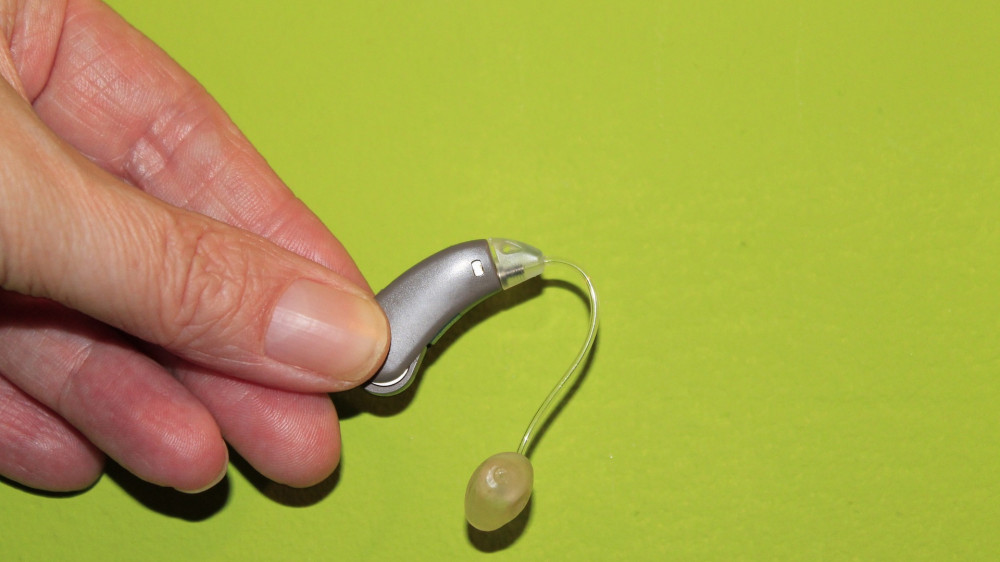
For individuals with hearing loss, modern hearing aids are essential tools that enhance communication and quality of life. These sophisticated devices capture and process sound, making speech clearer and environmental noises audible again. However, this advanced technology comes at a cost. Fortunately, in Germany, both statutory health insurance (GKV) and private health insurance (PKV) provide subsidies. Understanding the rules, coverage limits, and your potential out-of-pocket expenses is crucial for making an informed decision. This guide will help you navigate the system, whether you're covered by public insurance or a private plan.
How Statutory Health Insurance (GKV) Covers Hearing Aids
All German statutory health insurers are legally required to contribute to the cost of hearing aids if prescribed by an ear, nose, and throat (ENT) specialist. The coverage is based on a system of fixed allowances (Festbeträge), last updated in April 2022.
- Allowance Amount: The fixed allowance depends on the degree of hearing loss. For high-grade hearing loss, the current allowance is up to €750 per ear, plus €45.07 for the custom earpiece (otoplasty). For mild to moderate loss, the allowance is approximately €680.
- Bilateral Coverage: For hearing aids in both ears, the allowances are doubled.
- What's Covered: The allowance covers a basic hearing aid model that meets minimum technical standards, including essential features like noise reduction and feedback suppression. It also includes professional fitting and instruction.
- Out-of-Pocket Costs: If you choose a basic model that meets the standard, you typically only pay a €10 prescription fee. If you opt for a premium model with advanced features (e.g., directional hearing, multiple programs), you must pay the difference between the device's price and the fixed allowance out of pocket.
- Replacement Schedule: GKV policyholders are generally entitled to a new hearing aid subsidy every six years, or sooner if a significant deterioration in hearing can be medically documented.
How Private Health Insurance (PKV) Covers Hearing Aids
Coverage under private health insurance is not standardized and varies significantly based on your individual insurance policy and tariff.
- Policy-Dependent Coverage: There is no universal fixed allowance. Your insurer reimburses costs according to the terms outlined in your contract. Some comprehensive private plans may reimburse up to €3,000 for a pair of premium hearing aids, while others offer lower allowances.
- Potential for Better Coverage: Many PKV tariffs offer more generous benefits than the GKV fixed allowances, potentially covering high-end devices in full or with a smaller co-payment.
- Reimbursement Process: Unlike the GKV system where the allowance is applied directly, PKV holders typically pay the hearing care professional upfront and then submit the invoice to their insurer for reimbursement based on their policy terms.
- Replacement Period: The waiting period for a new device subsidy can also differ, with some private insurers allowing a new claim after five years.
Key Differences at a Glance: GKV vs. PKV for Hearing Aids
| Aspect | Statutory Health Insurance (GKV) | Private Health Insurance (PKV) |
|---|---|---|
| Basis of Coverage | Legally mandated fixed allowances (Festbeträge). | Terms and conditions of the individual insurance contract. |
| Coverage Amount | Standardized (e.g., ~€680-€786 per ear). | Highly variable; can range from modest to very generous. |
| Device Choice | Covers basic models fully; premium upgrades require out-of-pocket payment. | Often covers premium models, depending on the tariff. |
| Payment Process | Allowance is applied directly; patient pays any difference. | Patient usually pays upfront and claims reimbursement. |
| Replacement Cycle | Typically every 6 years. | Often shorter (e.g., 5 years), but varies by contract. |
Maximizing Your Hearing Aid Benefits: Practical Tips
Regardless of your insurance type, proactive steps can help you secure the best outcome:
- Get a Formal Prescription: Always start with a consultation and prescription from an ENT specialist.
- Consult a Hearing Care Professional: Work with a qualified audiologist who can advise on suitable devices for your lifestyle and hearing loss.
- Check Your Policy Details: PKV members must review their contract's benefit schedule (Leistungsverzeichnis). GKV members should contact their specific health fund (Krankenkasse) for precise details on allowances and any additional forms required.
- Apply for Exceptional Coverage: If a basic device is insufficient for your professional or social participation needs, you can apply to your GKV for an exceptional cost approval (Härtefallantrag), supported by your audiologist's assessment.
Understanding the distinctions between GKV and PKV coverage for hearing aids empowers you to navigate the process confidently. By knowing your entitlements and consulting with experts, you can access the hearing technology that best suits your needs and budget.
Insurers and brokers face challenges in claims management, including high backlogs, rising claim frequencies, a skilled labor shortage, and growing customer expectations. Manual processes are expensive and slow.