Funds: Inside or Outside an Insurance Wrapper? A Financial Advisor's Guide
As a financial advisor or insurance broker, one of the key strategic decisions you help clients make is how to structure their long-term investments. Should they invest directly into mutual funds or ETFs, or should those funds be held within an insurance wrapper, known in Germany as a Fondspolice or fund-linked insurance policy? This classic debate pits the flexibility of direct investment against the structured benefits and guarantees of an insurance product.
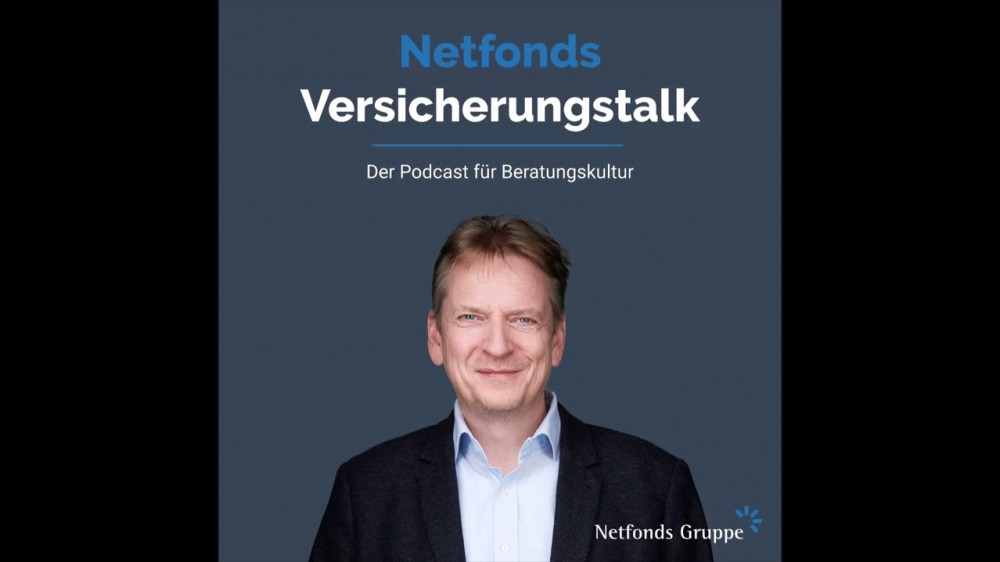
In a recent episode of the Netfonds Podcast, moderator Oliver Bruns convened a panel of experts—including broker Christiane Göpf, Thomas Gorke (Baloise), and Netfonds executives Susanne Hoyer and Jonas Wilken—to dissect this very question. Their discussion provides crucial insights for any professional advising on retirement planning, wealth accumulation, and investment strategy.
The Core Debate: Flexibility vs. Structure & Longevity Protection
The choice fundamentally revolves around client priorities and behavioral finance. Here’s a breakdown of the key considerations:
| Consideration | Direct Fund Investment | Insurance-Wrapped Fund Policy (Fondspolice) |
|---|---|---|
| Flexibility & Control | High. Client can freely buy, sell, switch, or withdraw funds at any time without product constraints. | Limited. Bound by insurance contract terms, often with surrender periods and restrictions on changes. |
| Longevity Risk Protection | None inherent. Client bears the risk of outliving their savings. Requires a separate withdrawal plan (Entnahmeplan). | Core benefit. Can include a guaranteed annuity or death benefit, directly insuring against the risk of living too long or dying too soon. |
| Cost Structure | Typically lower. Main costs are fund management fees (TER) and possibly brokerage fees. | Higher. Includes insurance costs, administration fees, and fund fees. Cost transparency can vary. |
| Tax Efficiency | Subject to capital gains tax (Abgeltungsteuer) on realized profits. | Often benefits from favorable tax treatment on the insurance portion, especially for long-term holdings. |
| Discipline & Behavioral Guardrails | Requires high client discipline to stick to a plan and not dip into savings prematurely. | Provides enforced discipline through regular premiums and penalties for early exit, which can be beneficial for some clients. |
Key Questions Every Advisor Should Address
The panel tackled several pivotal questions that should frame your client conversations:
- How Do You Manage Longevity Risk? A direct investment portfolio requires a carefully crafted withdrawal strategy (Entnahmeplan) to ensure savings last a lifetime. An insurance wrapper builds this protection into the product, often converting the capital into a guaranteed lifetime income stream.
- Is the Insurance Cost Justified? For clients who primarily need growth and have other forms of protection (e.g., separate life or pension insurance), the additional cost of the wrapper may not provide commensurate value. The panel likely debated the breakeven point where the guarantees become worth the premium.
- What About the Modern Saver? Younger generations often prioritize flexibility, transparency, and digital access. Does the traditional, long-term locked-in model of a Fondspolice align with their saving behavior and life outlook? A direct, flexible portfolio managed via a modern platform might be more appealing.
- Discipline: Feature or Bug? For clients prone to emotional trading or impulsive withdrawals, the structure of an insurance policy can be a valuable behavioral tool. It acts as a commitment device, ensuring consistent savings.
Conclusion: It's About Client Profiling, Not a Universal Answer
There is no one-size-fits-all solution. The expert discussion underscores that the right choice depends entirely on a deep understanding of the individual client:
- Choose Direct Investment for: The financially disciplined, cost-conscious, tech-savvy client who values control and has a separate plan for longevity risk and death benefit needs.
- Consider an Insurance-Wrapped Policy for: The client who needs enforced savings discipline, prioritizes guaranteed lifetime income (longevity insurance), seeks an integrated death benefit, and values the tax structure over pure cost minimization.
Your role as an advisor is to illuminate these trade-offs clearly. By understanding the nuances of both investment vehicles and insurance products, you can guide clients to the structure that best fits their psychological profile, financial goals, and risk tolerance.
To hear the full depth of the expert debate, including specific product insights and case studies, listen to the complete episode of the Netfonds Podcast.
Listen to the full Netfonds Podcast episode:
Apple: Link
Spotify: Link