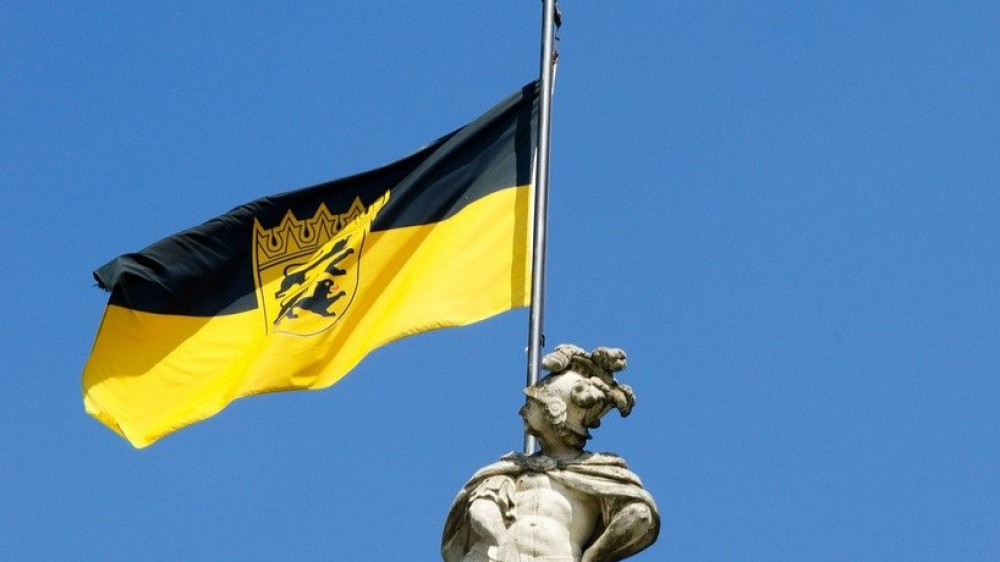
For decades, civil servants (Beamte) in Germany faced a binary and often financially rigid choice for health coverage: enroll in private health insurance (PKV) to receive substantial state subsidies (Beihilfe), or pay the full cost of public health insurance (GKV) out-of-pocket. This is now changing. A growing movement among German federal states is granting public employees genuine freedom of choice. Following the lead of Hamburg, Berlin, Brandenburg, Bremen, and Thüringen, the state of Baden-Württemberg has now announced its intention to allow its civil servants access to the statutory health insurance system by the end of the year. This shift has significant implications for the healthcare landscape and the financial planning of thousands of public employees.
The Traditional Dilemma: PKV vs. GKV for Civil Servants
Traditionally, the private insurance path was the only viable financial option for German civil servants. The state, as their employer (Dienstherr), reimburses 50-80% of eligible healthcare costs through the Beihilfe system. This subsidy applies seamlessly to private insurance premiums. Conversely, if a civil servant chose public insurance (GKV), they would have to pay both the employee and employer shares of the contribution (totaling ~14.6% of income, plus possible supplemental charges), receiving no direct Beihilfe support. This made GKV prohibitively expensive for most.
The "Hamburg Model": Pioneering Choice
In August 2018, Hamburg broke this mold by introducing a lump-sum subsidy (pauschale Beihilfe) for civil servants who opt for public insurance. This subsidy is designed to cover a portion of the GKV contribution, making it financially competitive with the PKV+Beihilfe combination. The model has been a success: by February 2022, over 1,960 active civil servants and 350 pensioners in Hamburg had switched to a public health fund.
The Hamburg model's success has created a domino effect, as shown in the table below:
| German State | Status of Civil Servant Choice | Key Insight |
|---|---|---|
| Hamburg | Pioneer. Model active since 2018 with strong uptake. | Proves the financial and administrative feasibility of the switch. |
| Berlin, Brandenburg, Bremen, Thüringen | Have implemented similar choice models. | Shows a clear regional trend towards liberalization. |
| Saxony | Plans included in coalition agreement; implementation pending. | Indicates political will across different party coalitions. |
| Baden-Württemberg | Aims to introduce model by end of current year. | As a large and influential state, its move could accelerate nationwide adoption. |
Baden-Württemberg's Plan and the Financial Calculus
Baden-Württemberg's government has set a clear deadline to implement its own version of the lump-sum subsidy. However, a feasibility study highlighted a financial hurdle: the reform would create additional annual costs of approximately €13.8 million, with about €10.8 million earmarked for the state's share of GKV contributions for insured civil servants. This underscores that expanding choice comes at a direct cost to state budgets, a trade-off policymakers are increasingly willing to make for employee benefit and system flexibility.
What This Means for Civil Servants: Evaluating the Choice
If you are a civil servant in a state adopting this model, you gain valuable leverage. You are no longer locked into one system. Here’s how to evaluate the choice:
- Consider Public Insurance (GKV) if: You value the comprehensive, community-rated coverage that includes non-working family members at no extra cost. You prefer predictability, as GKV contributions are income-based and not individually risk-assessed. You are concerned about potentially high PKV premiums in old age.
- Consider Private Insurance (PKV) if: You are young, healthy, and can secure low entry premiums. You desire faster access to specialists, private hospital rooms, and sometimes broader therapeutic options. You are comfortable with individually risk-based premiums that can rise with age and healthcare costs.
For US Readers: A Useful Analogy
This German reform is conceptually similar to debates in the US about offering public employees (like teachers or state workers) a choice between a High-Deductible Health Plan (HDHP) with an HSA (akin to a cost-conscious PKV plan) and a more traditional PPO or HMO (akin to the broad-coverage GKV). The goal is to provide flexibility to match different lifestyles and financial situations.
The Bigger Picture: A Trend Towards Liberalization
Baden-Württemberg's move signals a sustained shift. By granting civil servants this choice, states are acknowledging that a one-size-fits-all approach to health insurance is outdated. It promotes competition between the PKV and GKV systems and empowers individuals to select coverage based on their personal and family needs. While the short-term fiscal impact is a consideration, the long-term benefits of a more satisfied, securely insured workforce and a more dynamic health insurance market are powerful drivers for change. If you're a civil servant, this growing trend means more control over your healthcare destiny is on the horizon.