Misfueling & Shopping Cart Accidents: When Your Homeowners Insurance Won't Pay
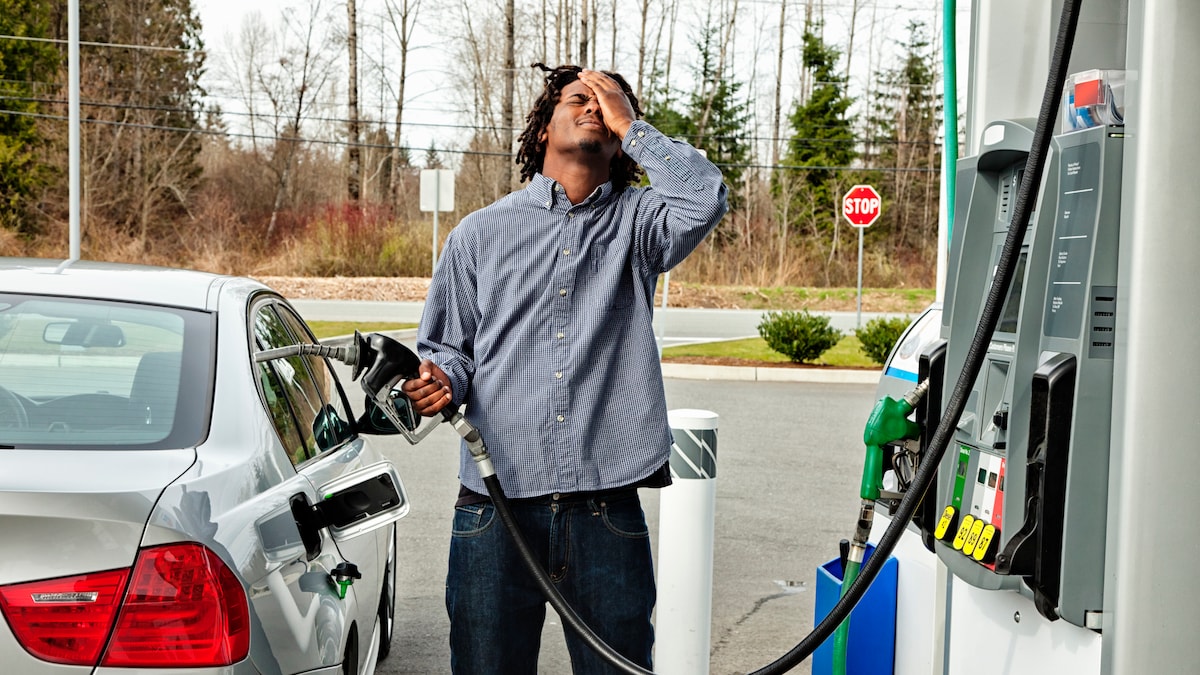
You borrow a friend's car, accidentally fill it with the wrong fuel, and cause thousands in engine damage. Or, while loading groceries, your shopping cart rolls away and dents a neighboring car. In these common mishaps, you might assume your homeowners insurance personal liability coverage or renters insurance liability will step in. However, a standard clause known as the "auto use exclusion" (often called the "motor vehicle exclusion") likely means you're on the hook personally. Understanding this exclusion is critical to avoiding unexpected financial liability.
Understanding the Auto Use Exclusion in Your Policy
The auto use exclusion is a standard provision in nearly all homeowners insurance and renters insurance policies in the United States. Its purpose is to draw a clear line between what your home/renters policy covers and what your auto insurance policy is designed to cover. The language typically states that the policy does not cover bodily injury or property damage arising out of the ownership, maintenance, use, loading, or unloading of a motor vehicle.
This means any liability connected to a car, truck, motorcycle, or similar vehicle is the domain of your auto liability insurance. Your homeowners policy is for incidents that happen at your home or due to your general personal activities, not those involving vehicles.
Common Scenarios Where Homeowners Insurance Likely Won't Cover You
Let's examine real-life situations where the auto use exclusion typically applies, leaving you potentially uninsured if your auto policy doesn't respond.
| Scenario | Why Homeowners/Renters Insurance Likely Denies Coverage | What Policy Should Respond |
|---|---|---|
| Misfueling a Vehicle (Putting diesel in a gas car or vice versa) | This is considered damage arising from the "use" or "maintenance" of a motor vehicle. The act of refueling is integral to operating the car. | Your auto insurance comprehensive coverage may cover it if it's your own car, but often it's excluded as a "mechanical breakdown." You are likely personally liable, especially for a borrowed car. |
| Shopping Cart Damage While Loading/Unloading | The exclusion often specifies "loading and unloading." A cart rolling from your car and hitting another vehicle is directly tied to the vehicle's use. | The at-fault driver's auto liability insurance should cover damage to the other car. If the cart hit a building, the driver's auto policy might still be primary. |
| Accident While Test Driving a Car You Don't Own | You are "using" a motor vehicle. Liability rests with the driver's auto insurance or the car owner's policy. | The driver's personal auto policy (PAP) typically extends coverage to occasional use of a non-owned car. The car owner's policy is secondary. |
| Injury from a Bike Rack or Trailer Attached to Your Car | The rack/trailer is considered part of the "use" of the motor vehicle when attached. | Your auto liability insurance. |
When Might Homeowners Insurance *Actually* Provide Coverage?
The exclusion isn't absolute. There are edge cases where the connection to the vehicle is considered too remote, and your homeowners policy might provide backup coverage. Examples could include:
- Damage Caused by a Vehicle Component Used Off the Car: For example, using a car battery to jump-start a lawnmower in your garage, and it explodes. The battery is no longer part of the "use" of the vehicle.
- Intentional Acts by Children: If a young child, who cannot legally operate a vehicle, accidentally releases a parking brake causing the car to roll, some courts have found the auto exclusion inapplicable because the child wasn't "using" the vehicle in the insurance sense.
Important: These are gray areas and depend heavily on specific policy language and state law. Never assume coverage.
How to Protect Yourself from These Liability Gaps
1. Carry Robust Auto Insurance: This is your first and best defense. Ensure you have high auto liability limits—state minimums (e.g., $25,000) are woefully inadequate. Consider increasing to $250,000/$500,000 or more.
2. Understand "Non-Owned Auto" Coverage: Your personal auto policy often includes liability coverage when you occasionally drive a borrowed or rented car. Verify this with your agent.
3. Purchase an Umbrella Insurance Policy: A personal umbrella policy provides excess liability coverage above the limits of your auto and homeowners policies. Crucially, it often requires you to maintain high underlying limits on those policies, forcing you to have adequate primary coverage. It can also sometimes fill coverage gaps, depending on the umbrella policy's terms.
4. Be Extra Cautious with Borrowed Vehicles: When borrowing a car, confirm the owner's insurance is active and ask about their coverage limits. Consider purchasing the supplemental liability insurance from a rental car company if your own auto limits are low.
5. Read Your Policy Exclusions: Take time to review the "exclusions" section of your homeowners/renters policy. Look for the "motor vehicle" or "auto" exclusion to understand its exact wording.
What to Do If You Cause an Auto-Related Accident
- Report to Your Auto Insurer First: Always start by filing a claim with your auto insurance company. They are designed to handle these incidents.
- If Auto Insurance Denies Coverage: If the claim is denied (e.g., for misfueling), you can then submit it to your homeowners insurance carrier, but be prepared for a denial based on the auto exclusion.
- Document Everything: Take photos, get witness information, and file a police report if necessary.
- Consult an Agent or Attorney: For significant damages, speak with your insurance agent or a liability attorney to understand your options and potential personal responsibility.
Conclusion: Don't Let a Standard Exclusion Become a Financial Disaster
The auto use exclusion is a fundamental part of the insurance landscape, designed to keep coverage responsibilities clear. The financial risk of not understanding it can be substantial. You cannot rely on your homeowners or renters insurance as a catch-all for vehicle-related mistakes. Your financial safety net depends on maintaining strong auto liability insurance with high limits and considering an umbrella policy for comprehensive protection. Review your policies today to ensure a simple error like misfueling doesn't lead to a major out-of-pocket expense.